Chapter 18 - Helen Cross Steps Down
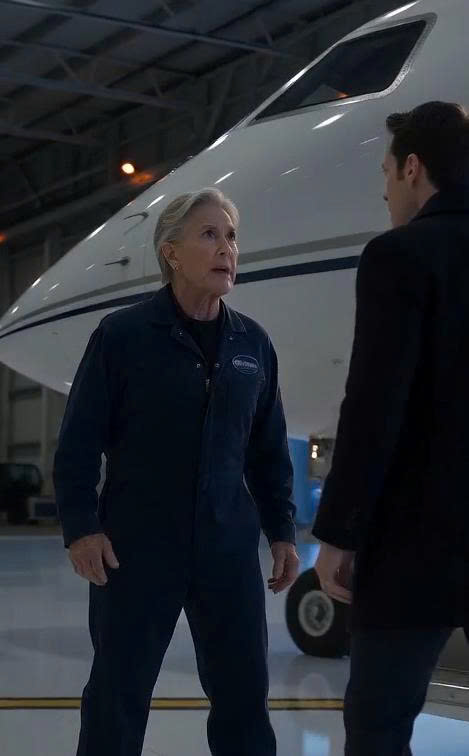
Helen chose the annual shareholder meeting.
No legal requirement forced her.
Her attorneys advised against it.
She did it anyway.
Cross Meridian remained privately controlled, but hundreds of employee shareholders, institutional investors, lenders, and senior managers attended.
Helen walked onto the stage without introduction.
For twenty-three years, rooms had risen when she entered.
This one stayed seated.
She began:
“Twelve years ago, a mechanic named Frank Miller raised concerns about an aviation supplier.”
Frank watched from the fifth row.
“I treated those concerns as a business problem before I treated them as a safety issue.”
No euphemism.
No passive voice.
“I allowed refinancing pressure, litigation risk, and family reputation to influence decisions that should have been made under one standard: whether the aircraft and the people aboard them were safe.”
Damian sat beside Adrian.
Helen continued.
“I later believed removing the vendor solved the underlying problem. I did not verify that assumption. I accepted secrecy because secrecy preserved control.”
She paused.
“That was wrong.”
Employees listened.
Some looked angry.
Good.
She continued.
“My daughter later used systems I created to conceal financial misconduct. My former chief financial officer used those same systems to facilitate fraud and an aircraft sabotage scheme.”
Helen’s voice trembled.
“I am responsible for my actions. Elena is responsible for hers. Victor Sloane is responsible for his. We should resist the temptation to blur those distinctions simply because we are family.”
Damian looked down.
That sentence mattered.
Afterward Helen announced she would sell enough personal voting shares to reduce the family’s supermajority control.
Adrian nearly fell out of his chair.
Damian whispered:
“She didn’t tell you?”
“No.”
The governance reform converted Cross Meridian from a family-dominated board into one where independent directors could outvote the Cross bloc.
Helen was surrendering institutional power permanently.
Not all wealth.
Not all influence.
But the control she had protected through almost every mistake.
After the meeting, Damian found her backstage.
“You didn’t tell me.”
“I knew you’d argue.”
“I’m not arguing.”
She looked surprised.
“Are you sick?”
“Apparently everyone thinks that’s funny.”
Helen smiled faintly.
Then her eyes filled.
“I thought control kept the family safe.”
Damian nodded.
“Dad thought that too?”
Their father, Martin Cross, had died from pancreatic cancer nine years earlier.
Helen looked toward an old photograph.
“Yes.”
“He wanted you to choose me?”
“Yes.”
“Why?”
“He thought Elena was too emotional.”
Damian laughed softly.
“And me?”
“Too arrogant.”
“That aged well.”
Helen smiled through tears.
“He thought arrogance could be trained out.”
“Was he right?”
“I’ll tell you in ten years.”
They hugged.
Not forgiveness.
Not complete repair.
But movement.
Elena’s financial case resolved more slowly.
Prosecutors ultimately charged her with conspiracy to commit wire fraud and false accounting connected to Larkspur transactions, not aircraft sabotage.
Her cooperation regarding Victor and Paul mattered.
So did restitution.
She agreed to forfeit assets traceable to improper transfers and sold much of her Cross Meridian stake to satisfy lenders and company claims.
At her plea hearing Damian attended.
Elena looked back once.
He nodded.
Nothing more.
Victor went to trial on the aviation charges after refusing a plea he considered too severe.
The evidence was overwhelming.
Paul testified.
Video showed Victor at the panel.
Recordings captured his contingency planning.
Financial records established motive.
The jury convicted him on multiple counts, including conspiracy relating to aircraft sabotage and obstruction.
Paul pleaded guilty under cooperation terms.
Leo received a reduced sentence after admitting evidence fabrication and fraud.
Each consequence differed.
Because each act differed.
Frank appreciated that.
“People like stories where everybody bad goes to prison forever,” Maya said one day.
Frank tightened a fastener on a training rig.
“Stories don’t have sentencing guidelines?”
She laughed.
Damian had hired Maya back into Cross Aviation even though she had never left.
More importantly, the new safety office no longer reported through executive administration.
It reported directly to an independent board safety committee.
Frank was offered leadership.
He refused.
Damian stared at him.
“Why?”
“I’m a mechanic.”
“You’re the reason we built it.”
“No.”
Frank looked at Maya.
“She’s the future.”
Maya’s eyes widened.
Damian smiled.
Frank added:
“I’ll advise.”
“Paid?”
“Very.”
“There he is.”
Frank laughed.
Damian had changed too.
Six months after his leave began, the board reviewed his conduct.
Anita Cho asked:
“What happens if a mechanic grounds your aircraft during a major deal?”
Damian answered:
“I miss the deal.”
No hesitation.
“And if you think the mechanic is wrong?”
“I ask another qualified mechanic.”
“And if that person agrees with the first?”
“I stop talking.”
Anita smiled faintly.
“You practiced that?”
“Frank made flash cards.”
He did not immediately return as CEO.
The board offered him executive chairman of product and technology with Sarah Kendricks remaining chief executive.
Old Damian would have considered it humiliation.
New Damian asked one question.
“Is she better at operating the company than I am?”
Anita answered:
“Yes.”
Damian looked offended.
Then laughed.
“Fine.”
He accepted.
Power did not return in the form he expected.
Maybe that was why it was safer.
Then, almost nine months after the morning N711CX was grounded, the Gulfstream was cleared after extensive inspection, component replacement, and independent verification.
Its first scheduled flight was to Chicago.
Damian was aboard.
Helen was not.
Before departure he walked onto the hangar floor.
Frank stood beside Maya.
The repaired toolbox sat between them.
Damian looked at the dent.
Still there.
“You never fixed it.”
Frank shrugged.
“Metal remembers.”
Damian looked at him.
“So do people.”
May you like



Frank nodded.
That was the point.







