Chapter 18 - The Trial of the Living and the Dead
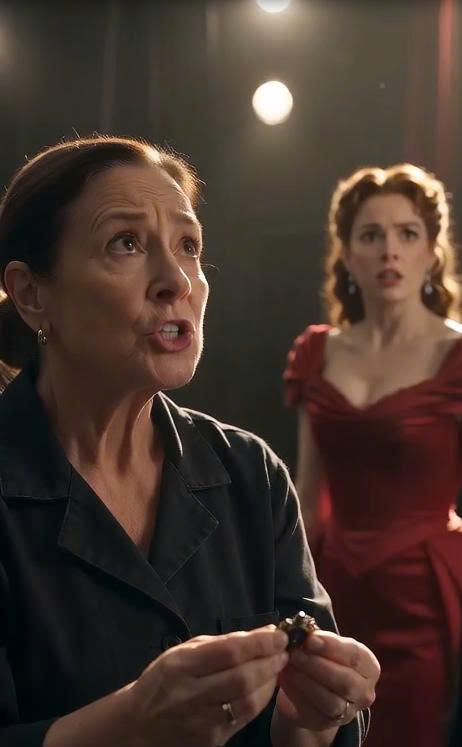
Sebastian’s case did not become a theatrical trial overnight.
Months passed.
Motions were filed.
Experts argued.
Accountants reconstructed companies that had vanished decades earlier.
The legal system moved slowly because the truth was old.
But it moved.
Sebastian eventually faced a prosecution centered on Celeste’s death, the concealment, and the financial conspiracy.
His defense emphasized the fall was unintentional.
Prosecutors emphasized his actions afterward.
The cassette.
The body.
The forged signatures.
The hidden photographs.
The sealed lift.
Elena testified.
Sebastian’s attorney attacked immediately.
“You accepted seventy-five thousand dollars.”
“Yes.”
“You concealed information.”
“Yes.”
“You lied by omission to investigators.”
“Yes.”
“You now seek money from my client.”
“I seek damages from a lawsuit he filed against me after knowing what I said was true.”
The attorney smiled.
“So money again.”
Elena looked toward the jury.
“Yes.”
A murmur moved through the courtroom.
The attorney paused.
Elena continued.
“Money paid my mother’s medical bills in 1996. Money also helped keep me silent. Both are true.”
“Would you describe yourself as trustworthy?”
Elena thought.
“Not because I never failed.”
The attorney frowned.
“Then why?”
“Because I’m telling you where I failed.”
Sebastian looked away.
Maya testified about the brooch breaking, Victoria’s reaction, and the discovery of the hidden note.
Victoria testified for nearly four hours.
Her father’s attorney tried to portray her as a resentful daughter seeking control of family assets.
Victoria answered calmly.
“I already transferred disputed assets into escrow.”
“You hate your father.”
“Yes.”
The courtroom went still.
The attorney blinked.
Victoria continued.
“I also loved him for thirty-eight years. Neither fact changes the recording.”
Alexander testified about family records and his father’s involvement.
He refused attempts to make Richard an innocent victim.
“My father participated in the cover-up.”
Sebastian’s attorney looked surprised.
“You’re comfortable accusing your dead father?”
“No.”
Alexander’s voice remained steady.
“I’m done confusing comfort with truth.”
Luis Moreno testified.
Leonard Voss could not appear because of health, but prior sworn statements and authenticated documents were used where legally permissible.
Experts explained the forged signature.
The property scheme.
The blood on the cloak.
The remains.
The fatal injury.
Sebastian’s age did not make the evidence younger.
The most emotional moment came when prosecutors played Celeste’s cassette.
Alexander sat perfectly still.
When his mother said:
One day he’ll be thirty. Forty. Fifty. How long do you want him living inside your lie?
Several jurors looked toward him.
He was forty-five.
His mother had imagined him reaching this age.
She simply had not imagined she would be absent for almost all of it.
Sebastian’s lawyers argued the death was a tragic accident followed by catastrophic decisions.
The prosecutor did not deny the first part might be true.
That strengthened the argument.
“This case is not about pretending we know what Mr. Marlowe intended one second before Celeste Reed struck that railing.”
The prosecutor looked toward Sebastian.
“It is about what he intended every second after.”
Hide her.
Forge her name.
Take the property.
Silence witnesses.
Preserve the brooch.
Threaten his daughter.
Attempt to interfere with the search.
Thirty years of choices.
The verdict did not restore Celeste.
Nothing could.
But Sebastian was convicted on major counts arising from the concealment and financial scheme, with the jury also finding him criminally responsible for Celeste’s death under the charges ultimately submitted.
He sat motionless.
Victoria cried.
Elena did too.
Not from joy.
From release.
Outside, reporters asked Alexander whether justice had been served.
He answered carefully.
“Justice arrived late.”
“Is that enough?”
“No.”
Then he looked toward St. Aurelia across the city.
“But late is different from never.”
The civil consequences spread.
The fraudulent St. Aurelia property transfer was challenged and ultimately unwound through settlements and court-approved restructuring.
Orpheus-derived assets were redirected toward the opera, affected charitable beneficiaries, and restitution funds.
Alexander contributed personally.
Victoria did too.
St. Aurelia established independent governance provisions preventing major donors or families from controlling property transactions without outside review.
Maya called the reforms “extremely unsexy and therefore probably useful.”
Elena laughed.
Her defamation case settled.
Sebastian’s insurers and estate interests covered her documented losses and legal costs.
She did not become rich.
She paid off the loan against her apartment.
That mattered more.
Victoria’s career did not recover immediately.
Some companies never invited her back.
Others did.
A year later, she accepted a recital in Chicago with no luxury sponsorship and half her usual fee.
She told Elena she had never been so terrified.
“Good,” Elena said.
Victoria glared.
“You could pretend to be supportive.”
“I am.”
“How?”
“You’re singing because you want to.”
Victoria thought.
Then smiled.
Alexander created the Celeste Reed Ethics and Arts Fund.
Elena hated the first version of the name.
“It sounds like a tax form.”
Maya agreed.
They shortened it.
Celeste Fund.
Simple.
Human.
The money supported whistleblowers, low-wage arts employees facing retaliation, and independent nonprofit governance.
May you like



For once, power funded people who might challenge it.
And one broken brooch sat in a jeweler’s workshop waiting for Elena to decide whether it should ever be repaired.







