Chapter 14 - What Survived the Truth
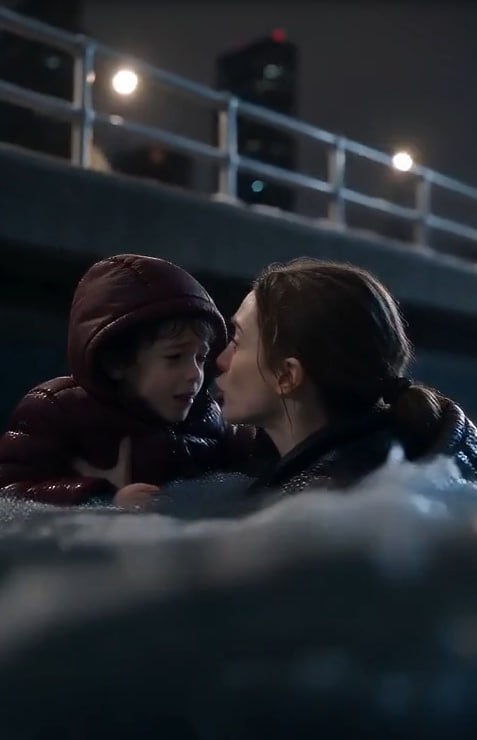
The investigation lasted eleven months.
Mercer Urban did not collapse.
It came close.
Two lenders tightened terms.
Three projects were delayed.
One municipal contract was canceled.
The company sold noncore assets through open bidding.
Executive bonuses were suspended.
The Mercer family lost hundreds of millions in estimated paper value.
Five thousand employees did not lose their jobs.
That fact mattered.
So did the rest.
The forensic report confirmed Charles Mercer had directed or tolerated improper payments, concealed safety risks, and manipulated project reporting for years.
Lydia had participated in several concealment decisions, including the Calder anchor issue.
Investigators could not prove anyone intentionally caused Joseph Bennett’s fatal fall.
They did prove Mercer executives knew defective anchor assemblies were in use.
The city reopened regulatory findings.
Mercer Urban established a compensation and remediation fund for affected workers and families, subject to independent oversight.
Claire’s family did not become magically rich.
Old claims faced statutes, releases, and complicated legal barriers.
But Joseph’s public record changed.
The official narrative no longer said he caused his own death through careless setup.
It stated that evidence now demonstrated he had repeatedly reported defective equipment before the accident.
Claire visited his grave the day the report became public.
She sat in wet grass.
“You were right.”
She laughed through tears.
“You’d hate how long it took.”
Her hospital reinstated her after the security audit proved the morphine discrepancy had been manufactured through Marcus’s administrative intrusion.
The hospital apologized.
Claire accepted the reinstatement.
She did not accept the settlement agreement requiring silence about how quickly administrators had suspended her.
Instead, she negotiated policy changes requiring independent credential forensics before public-facing disciplinary action in suspected diversion cases.
That was her revenge.
Make the system harder to misuse against the next nurse.
Marcus pleaded guilty to evidence tampering, unlawful system access, stalking-related computer offenses, and conspiracy involving the staged circumstances surrounding Ethan’s river outing.
His attorneys emphasized that he had not intended Ethan to fall.
Prosecutors emphasized that he had deliberately placed a child in a manipulated confrontation.
Both were true.
Lydia faced separate charges involving evidence tampering, false corporate declarations, and child endangerment.
She eventually entered a negotiated plea on reduced counts while civil securities and fiduciary claims continued.
She resigned every Mercer position.
Her wealth protected her from some consequences.
It did not erase them.
Roman testified against nobody for revenge.
He testified accurately.
Even when accuracy implicated himself.
The Southpoint matter resulted in regulatory penalties and civil settlements.
Roman was not criminally charged for the old settlement, but the board permanently separated the roles of Mercer family ownership and executive management.
Six months later, directors offered Roman a nonexecutive board seat.
He declined.
Claire asked why.
They were sitting in a coffee shop across from the hospital.
Ethan was at therapy upstairs.
“Because I’d take over again,” Roman said.
Claire smiled.
“At least you know yourself.”
“I like control.”
“I noticed.”
He looked embarrassed.
The first time they met, armed men had surrounded her because Roman could not tolerate uncertainty.
Now he admitted the flaw openly.
Claire stirred her coffee.
“What are you going to do?”
“Family office. Foundation work. Maybe nothing for a while.”
“You’ll last nine days.”
“Seven.”
They smiled.
There was affection between them now.
Something quieter than romance and more complicated than friendship.
Neither rushed to name it.
Roman had accused her.
Claire had despised him.
They had seen each other fail.
That made easy intimacy impossible.
Maybe honesty required slowness.
Ethan recovered physically within weeks.
The psychological recovery took longer.
He developed nightmares around water.
He refused bridges.
He panicked when adults reached suddenly for his coat.
Roman found a trauma therapist.
Claire helped only when invited.
That boundary mattered.
One afternoon, Ethan asked Claire, “Do you hate Aunt Lydia?”
Claire considered.
“No.”
“Why?”
“Because hate would make me think about her too much.”
He frowned.
“Are you mad?”
“Yes.”
“Still?”
“Yes.”
Ethan nodded.
“That makes sense.”
Claire smiled.
Children were often less frightened by complicated truth than adults assumed.
Ethan received letters from Lydia through his therapist.
The first three were not given to him because they contained explanations.
The therapist told Lydia to try again without defending herself.
The fourth said only:
I scared you. I grabbed you. You fell. I ran when you needed help. I am sorry. You do not have to answer me.
Ethan read it.
He did not answer.
Roman supported him.
No forced reconciliation.
No family photograph pretending damage had disappeared.
Eleanor Mercer, Roman and Lydia’s widowed mother, emerged during the investigation as another quiet participant in Charles’s culture of secrecy.
She had known about some payments.
Not Calder’s defective anchors.
Enough to have asked fewer questions than she should have.
She stepped down from the Mercer Foundation.
The family empire shrank.
Perhaps it became healthier.
Claire did not romanticize that.
Truth did not purify institutions.
It simply removed the excuse that nobody knew.
On the first anniversary of the river incident, the city installed new safety barriers and additional rescue ladders along the section where Ethan fell.
Mercer Urban paid for them.
Not as publicity.
The contract prohibited branding.
Claire insisted on that.
Roman laughed when he heard.
“You really hate logos.”
“I hate people turning guilt into advertising.”
He could not argue.
The city also installed a small metal plate near the ladder.
Not for Ethan.
Not for Roman.
For Joseph Bennett and Daniel Vale, acknowledging worker-safety reforms prompted by the reopened investigation.
Claire stood beside it with Roman.
Ethan wore a red winter coat.
Not the same one.
The original remained in evidence storage.
For a moment Claire saw the boy beneath black water.
She closed her eyes.
Roman noticed.
“You okay?”
“No.”
He waited.
Claire opened her eyes.
“But I’m here.”
Roman nodded.
“Me too.”
It was enough.
Then Ethan stepped closer to the railing.
Roman’s entire body stiffened.
Ethan noticed.
“Dad.”
Roman tried to relax.
“I know.”
Ethan looked down at the river.
“I’m not falling.”
Roman swallowed.
“I know.”
Claire looked at him.
He did not know.
He was afraid.
But this time fear did not become control.
He let Ethan stand there.
That was how people changed.
Not through one grand confession.
May you like



Through the moment fear returned—
and they chose differently.







