Chapter 18 - The Conspiracy on Paper
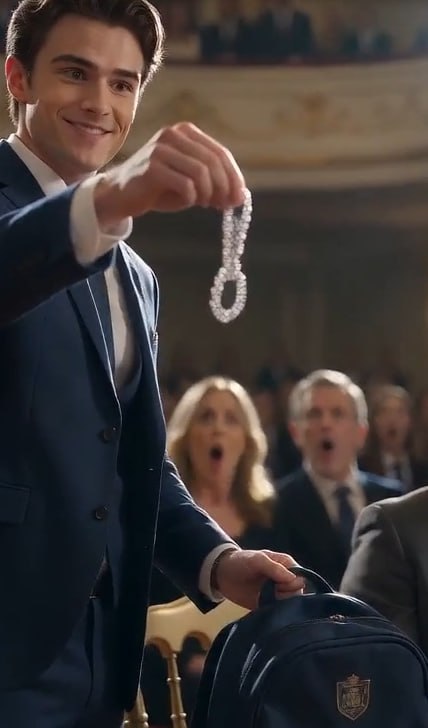
Harrison Vale’s arrest did not solve Halston overnight.
It made everything harder first.
The Vale Foundation formally canceled its pledge.
Two banks froze new lending.
Parents withdrew applications.
Three major donors requested audits.
The attorney general installed an independent monitor over Halston’s charitable assets while regulators reviewed the board’s conduct.
For the first time, the school’s finances were visible to people Harrison had not chosen.
The results were devastating.
Over seven years, investigators identified approximately $16.2 million in diverted or improperly reclassified scholarship and donor-restricted funds.
Northstar Student Services had no meaningful educational operations.
Jonathan’s consulting companies collected $3.7 million.
Vale affiliates received at least $4.1 million directly or indirectly.
Additional amounts funded 17 Mercer, donor reimbursements, admissions favors, and legal expenses.
The campus sale model established that Harrison planned to generate tens of millions in real estate profit if Halston eventually defaulted under the leaseback.
The diamond bracelet became one small count in a much larger conspiracy.
Lydia Vale cooperated with police.
She admitted Harrison had taken the bracelet from their home after telling her it would be displayed at the scholarship gala.
She had no idea he planned to use it against Emma.
Jonathan was charged with evidence tampering, conspiracy, falsifying records, and financial offenses arising from Northstar.
Victoria was charged too.
Her cooperation mattered.
It did not erase seven years.
Rachel watched television reporters ask whether the principal deserved prison.
Emma turned off the television.
“I don’t want to see her.”
“You don’t have to.”
“Do you hate her?”
Rachel thought carefully.
“I hate what she did.”
“That’s not what I asked.”
“I know.”
Emma waited.
Rachel sighed.
“Some days.”
That seemed honest enough.
Henry Bennett faced no criminal charge related to the original transfer after investigators found no evidence he personally benefited.
But regulators concluded he failed in his fiduciary duty by not acting once he suspected misuse.
He resigned from the board entirely.
He later agreed to testify in civil recovery actions.
“I wanted to protect Halston,” he told Rachel.
“You protected the name.”
“Yes.”
“They’re different.”
“I know now.”
Rachel did not tell him it was okay.
Some lessons did not need comfort.
Nina returned to New York.
Her server backup became critical evidence.
Halston offered her reinstatement as scholarship administrator.
She declined.
“I want a job where nobody says ‘restricted fund’ like it’s a creative-writing prompt.”
Rachel laughed.
Nina joined the attorney general’s nonprofit compliance unit instead.
Leah called that “the most aggressive possible career pivot.”
Rachel returned fully to her hospital finance position.
Her approval authority was restored.
Her supervisor apologized for the reassignment.
Rachel accepted.
But she also requested stronger access controls and dual authentication for sensitive payments.
Her experience had changed how she worked.
Trust was not a control system.
David had taught her that painfully.
The hardest decision involved David’s name.
Some supporters wanted Rachel to publicly frame him as the whistleblower who exposed Harrison.
She refused.
“He wasn’t only that.”
A reporter asked what she meant.
Rachel answered:
“My husband identified wrongdoing. He also accepted money he should not have accepted and signed documents he should have examined more carefully. He later tried to correct those choices.”
“Do you consider him a hero?”
Rachel looked toward Emma.
“No.”
The reporter seemed disappointed.
Rachel continued.
“I consider him a person who eventually tried to do the right thing after doing some wrong things.”
That sentence became one of the most widely quoted lines in the scandal.
Not because it was dramatic.
Because everyone recognized someone inside it.
Harrison’s criminal case expanded federally.
Bank-fraud and wire-fraud counts were added after prosecutors traced electronic transfers and false certifications.
His attorneys prepared for trial.
Then Jonathan agreed to testify.
Victoria agreed.
Nina agreed.
Bennett agreed.
Lydia agreed.
Harrison changed strategy.
He entered plea negotiations.
Rachel felt strangely unsatisfied.
She had imagined a courtroom where every lie was spoken aloud.
Leah said, “Justice does not owe you theatrical structure.”
“That feels rude.”
“It’s free legal wisdom.”
The school’s civil recovery actions eventually reclaimed millions from frozen Vale-controlled accounts and insurance coverage.
17 Mercer was sold through an independent process for $26.4 million.
Not to Harrison.
Most proceeds were directed into replenishing restricted scholarship funds and stabilizing Halston’s finances.
The main campus remained school property.
Tuition still rose.
Some faculty were laid off.
The consequences of years of misconduct could not be reversed neatly.
Halston survived.
But it had to shrink.
Emma returned after winter break.
On her first morning, Rachel drove her to the entrance.
Emma did not get out.
“You can change your mind.”
Emma stared at the doors.
“Everyone knows.”
“Yes.”
“What if they think I got special treatment?”
“Some might.”
“What if they think I’m poor?”
“You are not wealthy.”
“That wasn’t the question.”
Rachel smiled.
“Then some already did.”
Emma sighed.
“You’re terrible at comforting.”
“I’m learning honesty.”
Emma opened the door.
Then stopped.
“Mom?”
“Yes?”
“Come with me.”
Rachel walked her inside.
Students stared.
A few whispered.
Then Lily, the girl who had once sent Emma the cruel parent message-board screenshot, approached.
“I’m sorry.”
Emma looked at her.
“For what?”
“My dad said stuff. I repeated it.”
Emma considered.
Then nodded.
“Okay.”
Not forgiveness.
Not rejection.
Just acknowledgment.
Children sometimes handled accountability better than boards.
At the end of the hallway stood the empty space where Emma’s scholarship plaque had once hung after the awards ceremony.
The school had planned a replacement.
Emma refused.
Instead, the broken pieces had been sent to an art conservator.
A new plaque was being created around the original cracks.
Rachel had not seen it yet.
The unveiling was scheduled for spring.
As Emma entered class, Rachel received a call from Leah.
“Harrison signed the plea agreement.”
Rachel leaned against the wall.
“What does he admit?”
“Conspiracy to commit wire fraud, theft from programs receiving charitable funds, obstruction, and evidence tampering. Restitution will be substantial.”
“How long?”
“Sentencing later.”
“And the bracelet?”
“Included in the obstruction narrative.”
Rachel closed her eyes.
One bracelet.
One backpack.
One camera.
That was how the entire structure began to fall.
Leah added:
“Victoria signed her plea too.”
Rachel’s eyes opened.
“What happens to her?”
“She’ll testify, forfeit pension benefits tied to misconduct, pay restitution, and likely serve time.”
Rachel looked toward Emma’s classroom.
“And Jonathan?”
“Same direction.”
The consequences were arriving.
Not triumphantly.
Paper by paper.
Signature by signature.
May you like



Exactly how the conspiracy had been built.
Exactly how it would be dismantled.







