Chapter 14 - The Cost of Becoming Her Father
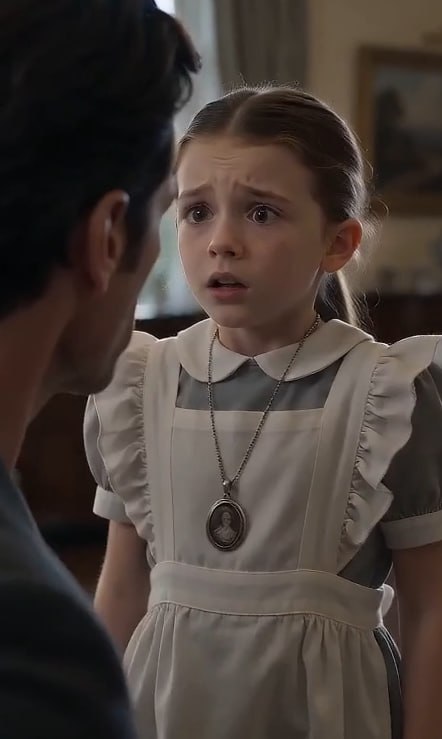
The family court hearing concerning Lily’s custody should have been simple.
Alexander was her biological father.
Nora had no legitimate claim.
But four years of unlawful concealment created complications.
The child advocate, Karen Ellis, was blunt.
“Mr. Whitmore, Lily has experienced coercive control, educational neglect, emotional abuse, and identity manipulation.”
Alexander nodded.
“She should be with me.”
“That may ultimately be appropriate.”
“Ultimately?”
Karen held his gaze.
“You are biologically her father. Psychologically, you are also a man she has known directly for less than three weeks.”
The words hurt.
“But she calls me Daddy.”
“She was taught your identity by Amelia and Nora. That is meaningful. It is not the same as an established parental relationship.”
Alexander wanted to argue.
Instead he asked, “What does Lily need?”
Karen’s expression softened.
“Stability. Therapy. Predictable routines. Adults who do not turn her into evidence.”
Alexander stopped.
He had brought her to lawyers.
Shown her documents.
Asked about memories.
Allowed every conversation to orbit the case.
Amelia’s warning echoed.
Protect Lily.
Not use Lily to win.
At the hearing, Alexander agreed to a structured transition plan.
Lily would live with him, but with child-therapy oversight and a court-appointed case manager.
No media exposure.
No interrogation about memories outside trained settings.
Alexander accepted.
Outside court, Lily seemed disappointed.
“Why is a lady coming to see us every week?”
“Because grown-ups failed you.”
“Did you?”
“Yes.”
She looked surprised.
“How?”
“I let this case become more important than asking whether you wanted to talk about it.”
Lily thought.
“I like helping Mom.”
“I know.”
“But sometimes I don’t want to remember.”
“Then you don’t have to.”
The answer visibly relaxed her.
That evening Alexander canceled a planned evidence review with Lily.
They ordered pizza instead.
It was the first night they behaved like father and daughter rather than survivor and investigator.
Then his mistake arrived from another direction.
Business pressure was crushing Whitmore Holdings.
Banks demanded reassurance.
Employees feared layoffs.
Against Olivia’s advice, Alexander approved a public interview.
He intended to calm markets.
The interviewer asked about Conrad.
Alexander answered too emotionally.
“My brother built his power by using people’s shame against them.”
Then:
“He ordered my wife’s murder.”
The sentence went everywhere.
Conrad’s defense team immediately filed a defamation action and a motion claiming Alexander was contaminating the jury pool.
Prosecutors were furious.
Detective Sloan called.
“What did you do?”
“I told the truth.”
“You stated an unadjudicated accusation on national television while a criminal prosecution is developing.”
“He confessed on audio.”
“That is evidence. It is not a verdict.”
Alexander closed his eyes.
Another consequence of speaking before thinking.
“I’m sorry.”
“Stop being sorry after the fact.”
The words landed.
His interview also frightened two potential witnesses who now refused cooperation because they feared press exposure.
Olivia was harsher.
“You are still trying to fight Conrad in public because you want everyone to see you were right.”
Alexander stared.
“Maybe.”
“Amelia didn’t ask you to win the narrative.”
“No.”
“She asked you to find the evidence.”
He nodded.
The board suffered too.
Hartmere’s investors used the interview to claim Whitmore Holdings leadership was unstable.
Lenders tightened credit conditions.
The company’s stock in privately traded secondary markets dropped sharply.
Alexander’s own fortune fell hundreds of millions on paper.
He barely noticed.
Then the bank called his personal pledge.
Because of covenant deterioration, his thirty-one-percent stake faced partial foreclosure unless Whitmore Holdings provided additional collateral within ten days.
Conrad had known this would happen.
Alexander’s real signature on the pledge trapped him.
Olivia said, “You may lose control even if Conrad loses.”
Alexander looked at the documents.
“Good.”
She stared.
“What?”
“Maybe none of us should control it.”
“You can’t restructure the entire family company in ten days.”
“No.”
“But?”
“We can begin.”
He proposed transferring his voting rights temporarily to an independent restructuring committee.
The board was stunned.
Eleanor was horrified.
“You are giving outsiders the company.”
“I’m giving professionals authority while we clean up what family control did.”
“Your grandfather would—”
“Grandfather is dead.”
Eleanor went silent.
Again that sentence.
Again the living held hostage by the reputations of the dead.
Alexander signed.
His power decreased voluntarily.
Conrad’s attorneys mocked it as desperation.
Employees responded differently.
Several senior executives agreed to remain because independent oversight increased credibility.
One lender extended a temporary waiver.
The company stabilized slightly.
Then Daniela Price called.
She had found an overlooked notation in Amelia’s affidavit.
Locket page to A.W. only after trust trigger.
Alexander frowned.
“What locket page?”
Daniela did not know.
He examined the locket again.
They had found the hidden strip with archive numbers.
But the inner backing was unusually thick.
A jeweler opened it under police supervision.
Behind the photograph was another paper, folded impossibly small.
Amelia’s handwriting.
CONRAD’S MEMO — SAFE 3 — FAMILY CHAPEL — CODE IS LILY’S BIRTH DATE.
Alexander stared.
The missing page.
Not in the cellar.
In the chapel safe.
The Whitmore family chapel stood on private land three miles from the estate.
Edward, Amelia, and generations of Whitmores had been memorialized there.
Alexander looked at Olivia.
“We found it.”
His phone rang.
Detective Sloan.
Her voice was tense.
“Do not go anywhere alone.”
“Why?”
“Marcus is cooperating.”
Alexander waited.
“He admitted Conrad asked him yesterday to find out whether Amelia had hidden documents in the family chapel.”
Alexander’s blood went cold.
“Does Conrad know?”
“We think so.”
“When?”
“Now.”
Alexander looked out the window.
Three miles away, the chapel bell tower rose above the trees.
Then he saw smoke.
Not from the chapel.
May you like



From a car racing down the estate road toward it.
Someone else was already going for the safe.







