Chapter 19 - What Ethan Meant by Love
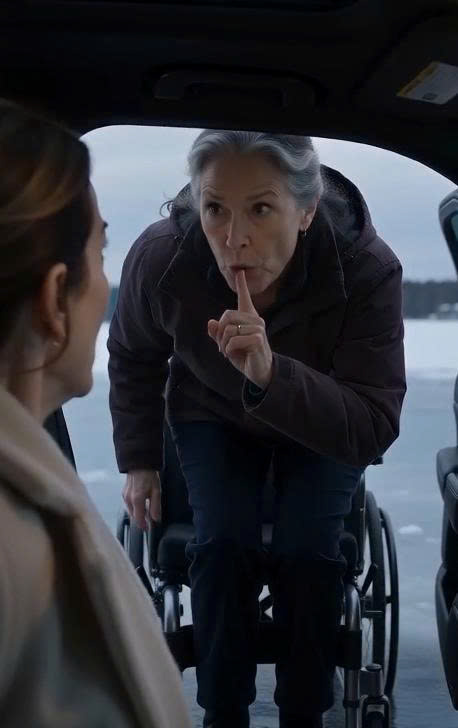
Charlotte visited Ethan once in prison.
Naomi told her she did not need to.
Ruth told her the same.
Charlotte went anyway.
Not for closure.
She disliked that word.
Some things did not close.
Ethan entered the visitation room wearing prison clothes.
He looked thinner.
No tailored coat.
No watch.
No ability to leave when the conversation became uncomfortable.
Charlotte sat opposite him behind glass.
He picked up the phone.
She did too.
“Hi.”
Charlotte almost laughed.
“Hi?”
“I didn’t know what else to say.”
Neither did she.
Ethan looked at her carefully.
“You look healthy.”
“I stopped taking your vitamins.”
He closed his eyes.
“I deserve that.”
“You deserve worse than a sentence.”
He nodded.
Silence.
Charlotte asked the question that had followed her for months.
“When did it become real?”
“What?”
“Us.”
Ethan’s face changed.
“You know how we started.”
“Yes.”
“When did you stop pretending?”
He looked down.
“About six months after we married.”
Charlotte’s throat tightened.
“What happened?”
“You fell asleep on the library floor.”
She almost smiled despite herself.
Charlotte had been cataloging her grandfather’s papers.
She woke at dawn with a blanket over her.
Ethan had made coffee.
It had been one of her favorite memories.
“I realized I didn’t want the plan anymore.”
“But you stayed in it.”
“Yes.”
“Why?”
“My father owned the debt. The old loan documents could have sent me to prison.”
“So you chose me instead.”
His eyes filled.
“At first I thought I could delay everything until Dad gave up.”
“You knew him better than that.”
“Yes.”
“Then you drugged me.”
He looked away.
“Yes.”
“Why not tell me?”
“I thought you’d hate me.”
Charlotte stared.
“So to avoid being hated, you did things worth hating.”
He almost smiled bitterly.
“Yes.”
That was Victor’s legacy.
Fear of consequences creating worse consequences.
Charlotte continued.
“Did you want a child with me?”
Ethan broke.
He cried silently.
“Yes.”
“Then why stop me from having one?”
“Because I kept telling myself it was temporary.”
“How long?”
“I don’t know.”
“That answer is convenient.”
“I know.”
He looked at her.
“I was going to confess.”
“When?”
“After the land deal collapsed.”
“It didn’t collapse. I refused to sign.”
“I know.”
“And then your father moved to killing me.”
“Yes.”
“You read the contingency.”
“Yes.”
“You understood.”
Ethan’s face twisted.
“Yes.”
“You could have called me.”
“Yes.”
“You could have told police.”
“Yes.”
“You could have driven me away from the lake.”
“Yes.”
“You did nothing.”
He whispered, “Yes.”
Charlotte finally understood why she came.
Not to hear an excuse.
To hear him stop making one.
She asked, “When I hit the water, did you think about saving me?”
“Immediately.”
“Why didn’t you?”
Ethan looked through the glass.
“My father said if I moved, everything we had done came out.”
Charlotte waited.
Ethan continued.
“And for a few seconds, I thought about prison.”
“Not me.”
“I thought about you too.”
“Which mattered more?”
His silence lasted.
Then:
“Me.”
Charlotte nodded.
There.
The marriage ended in one honest word.
Not Madeline.
Not Victor.
Not money.
At the final moment, Ethan chose himself.
Charlotte stood.
Ethan pressed his hand against the glass.
“Charlotte.”
She paused.
“I really did love you.”
She looked at him.
“I believe you.”
That surprised him.
Then she added:
“That’s why I’ll never confuse love with goodness again.”
She walked out.
The divorce finalized months later.
Charlotte restored her maiden name professionally.
Charlotte Ashford.
She did not erase the Mercer years from records.
Erasure was another family disease.
She kept the evidence.
The lessons.
The scars.
Then she returned to Ashford Development’s board.
Not as unquestioned ruler.
As chair under the new governance structure.
The first major vote involved affordable housing on non-conservation land.
Three directors opposed her.
Years earlier she would have seen disloyalty.
Now she asked them to explain.
One argument was better than hers.
The plan changed.
Ruth watched from the back of the room.
Afterward she said, “You let someone beat you.”
Charlotte smiled.
“Terrible experience.”
“Survive?”
“Barely.”
The company became less family-controlled over time.
Charlotte sold a minority block to an employee ownership trust.
That reduced her own influence.
Financial media called it surprising.
Charlotte called it insurance against dynasties.
Madeline’s contingent rights disappeared under court-approved restructuring.
Future beneficiaries would receive economic interests without unchecked voting power.
No cousin would ever again look at another cousin and see a percentage worth killing for.
Then Charlotte did something personal.
She met with a reproductive endocrinologist.
Not because she had decided to become a mother immediately.
Because she wanted to know what had happened to her body.
Tests showed no clear evidence of permanent harm from the unauthorized hormone exposure.
The doctor explained uncertainty carefully.
Charlotte cried afterward.
Relief.
Grief.
Anger.
Possibility.
All together.
She did not need to decide her future that day.
May you like



That itself felt new.
Choice returned slowly.







