Chapter 14 - The Cost of Being His Father
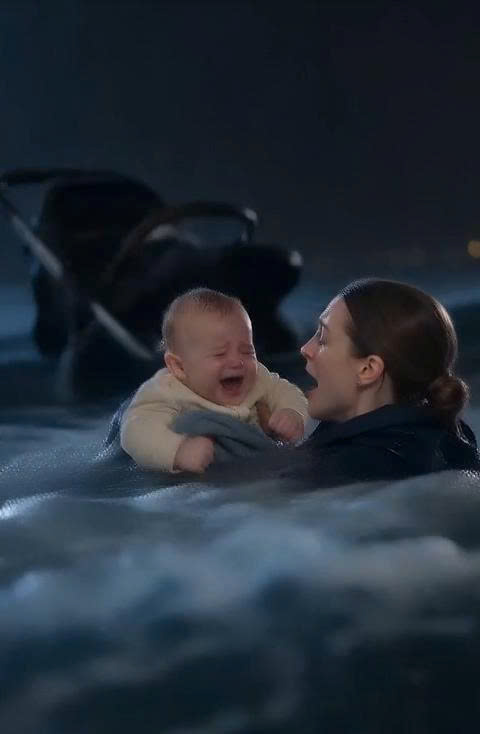
The custody evaluation was humiliating by design.
Andrew’s finances were examined.
His travel schedule.
His household employees.
His relationship history.
His arguments with Monica.
His reliance on nannies.
His corporate workload.
His temperament.
Even the moment on the ferry when he demanded Rachel hand Lucas over was questioned.
“You believed Ms. Hale for several seconds,” the evaluator said.
Andrew sat stiffly.
“Yes.”
“Why?”
“Because my son was screaming, my fiancée was screaming, and Rachel was soaking wet beside an empty stroller.”
“So Ms. Hale appeared credible.”
“For seconds.”
“Do you believe your judgment is reliable under stress?”
The question infuriated him.
Rachel had warned him not to show it.
Andrew breathed slowly.
“Not always.”
The evaluator looked up.
That was not the expected answer.
Andrew continued.
“I have made serious errors in judgment. I trusted Monica. I trusted David. I failed to investigate Victor when I should have.”
“Why should the court trust you with Lucas?”
Andrew thought about giving the polished answer.
Money.
Security.
Family support.
Instead he said, “Because I’ve stopped believing being his father makes me automatically right.”
The evaluator wrote something down.
Andrew continued.
“I will use professional childcare. Independent security. Medical oversight. I will accept court supervision if necessary. I’ll do whatever protects him, even when it makes me look incompetent.”
The evaluator nodded.
That answer helped.
But Monica’s lawyers had another weapon.
Rachel.
They argued Rachel was emotionally entangled with Andrew and therefore an inappropriate primary caregiver or witness.
Photographs appeared.
Andrew leaving Rachel’s apartment after the threat.
Rachel holding Lucas outside the hospital.
Andrew embracing Rachel after a court hearing.
Nothing romantic had happened.
But photographs suggested intimacy.
Monica’s attorney asked Rachel under oath:
“Are you in love with Andrew Bennett?”
Silence filled the room.
Andrew looked at Rachel.
She looked directly at the attorney.
“My feelings are irrelevant to whether Monica pushed Lucas off a ferry.”
“Please answer.”
Rachel hesitated.
Andrew’s chest tightened.
“Yes.”
The word shocked everyone.
Including Andrew.
Rachel continued.
“I care about him.”
“Romantically?”
“I don’t know.”
The attorney smiled.
“So you may have a romantic motive to remove Monica.”
Rachel’s eyes hardened.
“I jumped into freezing water to remove Lucas from the ocean.”
The judge intervened.
“Counsel, move on.”
But the damage was emotional, even if legally limited.
Afterward Andrew found Rachel alone in the courthouse corridor.
“You meant that?”
She closed her eyes.
“This is not the time.”
“I know.”
“No, you clearly don’t.”
“I’m not asking for anything.”
“Good.”
He stopped.
Rachel looked at him.
“I care about you. That does not make what I did for Lucas less real.”
“I know.”
“And I refuse to become another woman in your life whose value is measured by her relationship to you.”
Andrew flinched.
“You’re right.”
“I need distance.”
That hurt more than he expected.
“How much?”
“I don’t know.”
She walked away.
For the first time since the ferry, Andrew faced the crisis without Rachel beside him.
He deserved some of that distance.
He had relied on her courage, judgment, and honesty until she became another form of support he assumed would remain available.
The custody evaluator ultimately recommended Lucas stay with Andrew, subject to enhanced security and independent childcare.
Andrew won.
It felt lonely.
Then prosecutors delivered bad news.
The murder case involving Harold had weakened.
Monica’s pharmacy pickup, dosage notes, and access created strong suspicion.
But without toxicology from Harold’s death, proving murder beyond a reasonable doubt would be difficult.
Jenna Park told Andrew directly.
“We may not try the homicide count.”
Andrew stared.
“She killed him.”
“I believe she may have.”
“May?”
“Courtrooms require proof.”
Andrew stood.
“So she gets away with it.”
“No. She faces attempted murder of Lucas, conspiracy, fraud, child endangerment, obstruction—”
“My father deserves justice.”
“Yes.”
“Then give it to him.”
Park’s expression hardened.
“My job is not to satisfy your grief. My job is to bring charges I can prove.”
Andrew hated her in that moment.
Later, he realized she was right.
Again.
Truth and justice were not identical.
Sometimes truth was larger than what a verdict could contain.
Then Officer Grant called.
He had recovered one final audio track from the damaged warehouse camera.
Only twenty-eight seconds.
But Harold Bennett’s voice was clear.
And so was Monica’s.
Harold said:
“If anything happens to me, Andrew will know you did it.”
Monica replied:
“No, Harold. Andrew believes the people he loves.”
A pause.
May you like



Then Monica added:
“That’s why this works.”







