Chapter 3 - Twenty-Two Million Dollars
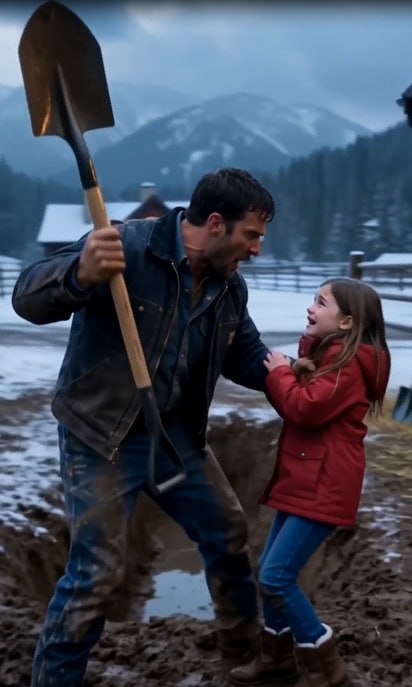
Whitmore Ranch was not bankrupt.
At least, Sarah had not believed it was.
The property stretched across nearly six thousand Wyoming acres of pasture, cottonwoods, grazing leases, and mountain water rights.
Andrew’s grandfather had begun with cattle.
Andrew’s father had expanded into horse breeding.
Andrew had modernized the business into an equestrian and agricultural operation worth millions on paper.
Sarah had run the breeding program beside him for seventeen years.
She knew the ranch made money.
What she had never controlled was the debt.
That had been Andrew’s side of the marriage.
At the First Western Bank meeting, Sarah learned how dangerous that ignorance had been.
Mason sat opposite her beside Thomas Vale.
Margaret refused to attend.
A senior loan officer named Paul Danner placed a file on the table.
“Whitmore Ranch Holdings has a revolving operating line of $3.8 million.”
Sarah nodded.
“The balance is never more than half that.”
“It is currently $3.46 million.”
She turned to Mason.
He shrugged.
Paul continued.
“There is also a covenant issue.”
“What issue?”
“The company was required to maintain a minimum debt-service ratio. Based on the financial statements submitted last quarter, it failed.”
“Submitted by whom?”
Paul glanced at the file.
“Mason Whitmore, as chief operating officer.”
Sarah’s jaw tightened.
Andrew had removed Mason’s check-signing authority three weeks before his death.
Apparently that had not stopped him from sending financial reports.
Paul slid another document toward her.
“The bank received a proposed cure. Sale of the eastern ridge and development rights to Calder Ridge Communities.”
Sarah stared at the price.
Twenty-two million dollars.
“No.”
Mason leaned back.
“The eastern ridge is mostly scrubland.”
“It includes the north creek.”
“It includes money.”
“It includes Andrew’s family cemetery.”
Thomas spoke quietly.
“The offer is substantially above current agricultural value.”
Sarah looked at him.
“You knew about this.”
“I reviewed preliminary documents.”
“Andrew would never sell that land.”
Mason’s smile was thin.
“He changed his mind.”
Sarah pulled out her phone.
“I want Andrew’s emails.”
Thomas’s expression sharpened.
“Corporate accounts are controlled by management.”
“Meaning Mason.”
“At present.”
The power reversal was almost elegant.
Twenty-four hours earlier Mason had been standing in a muddy drainage pit while police lights flashed behind him.
Now he controlled the company servers, the bank communication, the payroll, and the operating account.
Sarah controlled only Andrew’s estate interest—and even that was trapped in probate.
Outside the bank, she confronted him.
“You manufactured this crisis.”
“Prove it.”
“You increased the credit line.”
“Andrew approved expansion.”
“You submitted false numbers.”
“Andrew signed every annual statement until he got sick.”
“You mean until you started changing his pills?”
Mason’s face hardened.
Thomas immediately stepped between them.
“That accusation has consequences.”
“So does murder.”
Mason moved close enough that Sarah could smell his aftershave.
“You hit me with a shovel in front of your daughter.”
“You threatened her.”
“My attorney sees a grieving widow with anger problems and a child being coached into making accusations.”
Sarah slapped him.
The sound cracked across the bank parking lot.
Silence followed.
Thomas stared at her.
Mason slowly touched his cheek.
Then he smiled.
“Thank you.”
Sarah realized what she had done.
Again.
Thomas had his phone in his hand.
Recording.
That afternoon Mason’s attorney filed an emergency petition in probate court questioning whether Sarah should exercise temporary control over Andrew’s shares while an investigation involving family conflict was pending.
He also asked that a neutral administrator be considered.
Not because Sarah was suspected of Andrew’s death.
Because she was “acting violently toward other corporate stakeholders.”
Detective Ruiz arrived before dinner.
“You have to stop giving him ammunition.”
Sarah looked away.
“He stood there smiling.”
“That’s why he did it.”
“I know.”
“Do you?”
The question hurt because Sarah had no answer.
Lily was upstairs with Margaret.
Sarah lowered her voice.
“I feel like Andrew knew all of this was coming and didn’t tell me.”
Ruiz placed a copy of Andrew’s letter on the table.
“We got permission from Margaret to examine the original.”
Sarah read the portion she had not seen in the stable yard.
Andrew had written:
If anything happens to me before I can finish this, do not let Mason sell the ridge.
Do not trust the financial statements.
Do not trust any document Thomas brings you unless Jenna verifies my signature.
Sarah looked up.
“Jenna?”
Ruiz nodded.
“Jenna Cole. Forensic accountant. Cheyenne.”
Sarah remembered the name.
Andrew had driven to Cheyenne twice during the month before his death and claimed he was meeting a feed supplier.
“He lied to me.”
“He was investigating something.”
The final line of the letter was worse.
The ranch books contain payments that began before Dad died. Mason knows about them. Thomas knows why they were made.
Sarah’s heart thudded.
Andrew’s father had died eight years earlier.
“What payments?”
“We don’t know yet.”
Ruiz stood.
“The flash drive is encrypted.”
“And the ledger?”
“Mostly transaction numbers and initials.”
“Which initials?”
Ruiz looked at her.
“M.W.”
“Mason.”
“And T.V.”
Thomas Vale.
Sarah closed her eyes.
Ruiz continued.
“There’s another set.”
Sarah opened them.
“What?”
“A.W.”
Andrew Whitmore.
Sarah stared at the page.
For the first time, suspicion moved in a direction she had never allowed.
Not toward Mason.
May you like



Not toward Thomas.
Toward the husband she had buried.







