Chapter 19 - Robert’s Birthday
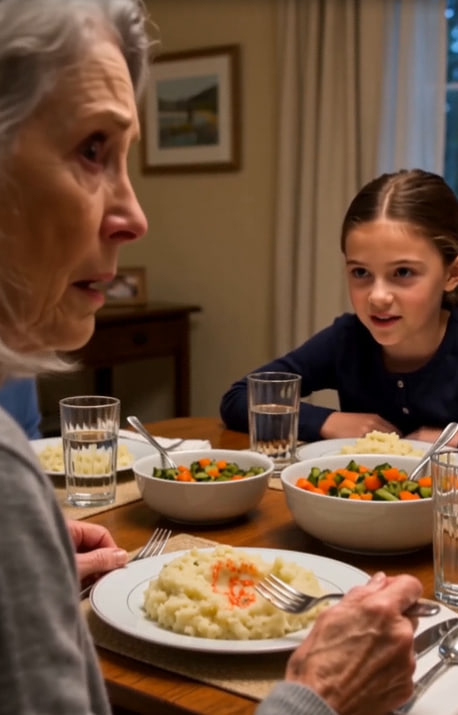
Robert would have turned seventy-two in October.
Carolyn decided to host dinner.
Sarah offered to cook.
“No.”
“Why?”
“Your chicken remains legally questionable.”
Sarah laughed.
“Fair.”
Lily baked a cake.
It leaned slightly left.
Carolyn loved it.
Diane came.
Helen came too.
Mark Talbot was invited but declined politely, saying forensic accountants should not become permanent members of family celebrations.
Carolyn sent him cake anyway.
Before dinner, Sarah stood in Robert’s study.
“You changed it.”
“Yes.”
“I like it.”
“Thank you.”
Sarah touched the edge of the desk.
“Dad would complain.”
“Absolutely.”
“He hated people moving his things.”
“This is my room now.”
Sarah looked at Carolyn.
Then smiled.
“Yes.”
No hesitation.
At dinner, they told Robert stories.
Not stories about the case.
Stories about Robert.
The time he tried to repair the dishwasher and flooded the kitchen.
The terrible mustache he had in 1989.
His obsession with weather forecasts.
His belief that every family vacation needed a printed itinerary.
Lily listened.
Most of her strongest memories of her grandfather had been shaped by his illness.
Carolyn wanted her to know the ridiculous man before the hospital bed.
After cake, Sarah approached Carolyn.
“I have something.”
Carolyn raised an eyebrow.
“If it’s paperwork, leave.”
Sarah laughed.
“It’s not.”
She handed Carolyn a small wooden box.
Inside was Robert’s gold watch.
Restored.
The scratches polished.
The clasp repaired.
Carolyn stared.
“I thought you might want it fixed.”
Tears came.
“I did.”
Sarah swallowed.
“I used my first bonus.”
Carolyn looked up.
“You shouldn’t have.”
“I wanted to.”
Choice.
Not debt.
Carolyn hugged her daughter.
It was not their first hug since everything happened.
But it felt different.
Sarah whispered, “I’m sorry Dad spent his last months worrying about me.”
Carolyn pulled back.
“He loved you.”
“I know.”
“He was also angry with you.”
“I know.”
“He made mistakes.”
“I know.”
Carolyn smiled.
“You’re getting very good at complicated truths.”
“Expensive education.”
They sat on the porch after everyone else left.
Lily was asleep upstairs.
Sarah asked, “Do you ever wish you hadn’t found the blue envelope?”
Carolyn considered.
“If I hadn’t, Greg might have kept trying.”
“I mean emotionally.”
“No.”
“Even knowing what Dad thought?”
“Yes.”
“Even knowing what I did?”
Carolyn looked at her daughter.
“Yes.”
Sarah stared into the dark yard.
“I used to think truth destroyed families.”
Carolyn nodded.
“Sometimes it does.”
Sarah looked surprised.
“I expected something inspiring.”
Carolyn laughed.
“Truth destroyed the version of our family built on pretending.”
She continued.
“What came after was our decision.”
Sarah absorbed that.
Then she said, “Lily barely remembers spitting on your plate.”
“I remember.”
“I bet.”
“She remembers being ashamed more than the actual moment.”
Sarah looked down.
“I hate that I put her in it.”
“You should.”
Sarah nodded.
No defensiveness.
No collapse.
Just responsibility.
Carolyn felt something settle.
Later, after Sarah left, Carolyn walked into the dining room.
She placed Robert’s repaired watch beside his photograph.
Then looked at the table.
This room had once contained the most humiliating moment of her life.
Now it also contained Robert’s birthday dinner.
Lily’s laughter.
Sarah’s apology.
Diane’s ridiculous story about Robert accidentally wearing two different shoes to a faculty fundraiser.
Carolyn realized rooms did not belong forever to the worst thing that happened inside them.
Neither did people.
Sarah would always be the daughter who participated in a plan to pressure her.
She was also becoming the woman who faced that truth and changed.
Lily would always be the child who spat in her grandmother’s dinner.
She was also the girl who later stood on a stage and told a room full of strangers that cruelty was not courage.
And Carolyn?
She had once been the woman who quietly absorbed disrespect because conflict frightened her.
Not anymore.
She picked up her white napkin from dinner.
Folded it once.
Again.
Then placed it neatly beside the plate.
This time she had nowhere to run.
May you like



Because she no longer needed to.
---







