Chapter 4 - The Woman They Invented
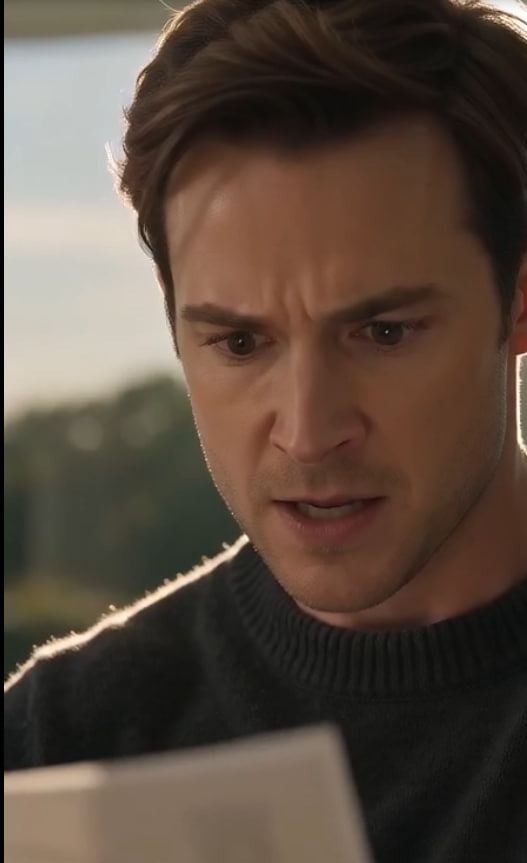
By morning, I had become two different women.
There was the real me.
And there was the woman Ryan and Diane had created on paper.
The fictional woman was unstable.
Forgetful.
Dangerous around her daughter.
Unable to understand complicated financial decisions.
She had supposedly suffered episodes of disorientation during board meetings.
She had allegedly threatened to flee with Sophie.
She drank too much.
She mismanaged money.
She needed supervision.
She needed Ryan.
Every lie had been carefully chosen to destroy a different part of my life.
Dr. Kessler joined Detective Mills and my attorney, Lena Ortiz, by video call.
Lena had represented my father’s trust for years.
She read the evaluation twice.
“This is sophisticated,” she said. “They didn’t just forge his signature. They copied portions of real psychiatric language.”
Kessler looked furious.
“My office has never issued anything resembling this.”
“Could someone have obtained templates?”
“A former administrator might have had access, but not to my current letterhead.”
Lena glanced at me.
“Ryan sits on the hospital foundation board.”
So did Diane.
Another door opened.
I sat with Sophie asleep against me on Margaret’s sofa.
We had not returned home.
I couldn’t stand the idea of sleeping under the same roof where Ryan had planned our destruction.
Lena continued.
“The incapacity provision in your father’s trust is real.”
“I know.”
“No, you know the basic version. Your father added an amendment four months before his death.”
Margaret stiffened.
I noticed.
“What amendment?”
Lena looked at her.
“You didn’t tell her?”
Margaret shook her head slowly.
“Her father asked me not to unless it became necessary.”
Anger flared.
“Apparently everything in my life was kept secret for my own good.”
Margaret flinched.
Lena intervened.
“The amendment was designed to prevent anyone from exploiting you during a medical crisis. If two independent physicians certified incapacity, your voting shares would temporarily pass to a named fiduciary.”
“Diane?”
“No.”
“Then why does the document name her?”
“Because that page is forged too.”
The real backup fiduciary had been Margaret.
Diane had replaced her name.
The scheme was breathtaking in its simplicity.
Invent mental illness.
Use falsified medical reports.
Forge a trust certification.
Take corporate control.
Use forged custody papers to take Sophie.
Then force me to sign permanent stock transfers in exchange for my daughter.
Lena said quietly, “If you had signed their settlement, they would have argued later that you did it voluntarily.”
“Under kidnapping.”
“They would say there was no kidnapping. Ryan is her father. They were manufacturing documents to make every action look lawful.”
My phone buzzed.
Ryan’s name.
He had been released after booking because the initial assault charge was low-level and the more serious investigation was still developing.
A temporary protective order barred him from approaching me, Margaret, or Sophie.
He could still text through counsel-related channels unless the court expanded it.
His message read:
You are letting your mother turn this into something it isn’t.
I showed Lena.
“Do not respond.”
Another message arrived.
Think about Sophie before you destroy her father.
Then:
There are recordings you have forgotten about.
My heart thudded.
I had not forgotten.
Three years earlier, after months of fighting about Ryan’s travel and Diane’s control over our marriage, I had lost my temper.
I screamed.
I threw a wineglass into the empty fireplace.
And I told Ryan that if he kept using Sophie to manipulate me, I would “take her and disappear somewhere you can’t reach us.”
I had not meant it literally.
Ryan had recorded the last thirty seconds.
He later apologized for provoking me.
Or pretended to.
Now I understood why he kept the recording.
He had been collecting pieces of me.
Moments of exhaustion.
Anger.
Fear.
Edited carefully, they could create the woman described in those forged reports.
“I gave him ammunition,” I whispered.
Lena shook her head.
“You had an argument with your husband. That is not the same as psychiatric incapacity.”
“But family court doesn’t operate inside my memory. It operates on evidence.”
“And we will provide context.”
Margaret stood near the window.
“What haven’t you told us?”
She turned.
“Me?”
“You reacted when Lena mentioned Dad’s amendment.”
Margaret looked older suddenly.
“There was a reason your father wrote it.”
“What reason?”
“He distrusted Diane.”
The room went still.
My father had hired Ryan before Ryan and I ever dated.
Diane joined the company later.
“Why?”
Margaret walked to an old desk and opened the bottom drawer.
She removed a small black notebook.
“Six months before he died, your father believed money was disappearing from a development account.”
“How much?”
“He wasn’t sure.”
“Why wasn’t there an audit?”
“He started one privately.”
I stood.
“And?”
“He stopped.”
“Why?”
Margaret’s voice dropped.
“Because Diane showed him something.”
“What?”
“I never knew. After that meeting, he told me that if anything happened to him, I was to make sure you kept control of your shares.”
I stared at the black notebook.
Inside were my father’s handwritten entries.
Project names.
Bank transfers.
Initials.
One name appeared repeatedly.
N.H.
North Harbor.
The company Ryan and Diane now wanted me to waive claims against.
The entries ended twelve days before my father died.
On the final page, he had written one sentence.
Diane knows I found the second ledger.
Below it:
If she moves against my daughter, the lake house is the key.
May you like



We had found Sophie at the lake house.
But whatever my father had discovered there six years earlier had never been found.







