Chapter 17 - The Divorce
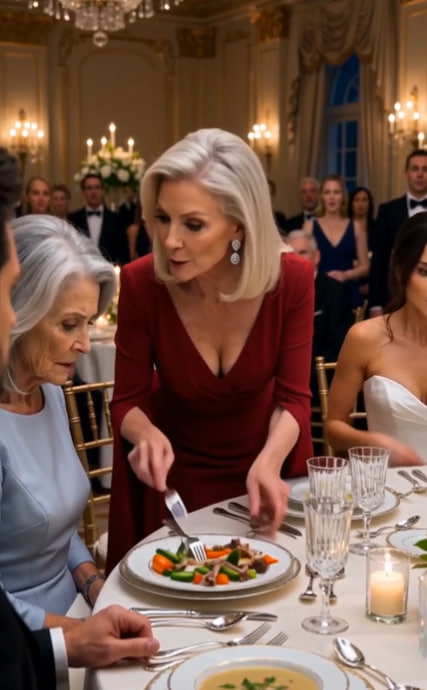
My divorce became final on March third.
Six months after the wedding.
Ethan and I met once at Lena’s office to sign the last personal-property documents.
There was almost nothing to divide.
We had never fully combined finances.
The wedding gifts were returned where possible.
The apartment was Ethan’s before marriage.
My belongings had been removed weeks earlier.
A marriage could end with fewer papers than a corporation needed to admit a lie.
When we finished, Ethan looked at me.
“Coffee?”
I hesitated.
Then nodded.
We walked two blocks to a café.
Public place.
Daylight.
No expectations.
He ordered black coffee.
I ordered tea.
For a minute neither of us spoke.
Finally he said:
“I remember the first time I met your mother.”
I smiled faintly.
“Thanksgiving.”
“She made that terrible cranberry thing.”
“It was delicious.”
“It moved.”
“That was gelatin.”
“It was alive.”
I laughed.
He smiled.
The old Ethan appeared for a second.
The man I had planned to grow old with.
That was grief too.
Not only losing a bad marriage.
Losing the good moments inside it.
“I’m sorry we didn’t make it,” he said.
“Me too.”
“I used to think if I became different enough, maybe that would earn another chance.”
My chest tightened.
“And now?”
“Now I think becoming different is something I owe the next version of myself.”
I nodded.
“That sounds healthier.”
“My therapist said something similar, but with more expensive words.”
I laughed again.
Then he became serious.
“I’m not going to ask whether you forgive me.”
“Why?”
“Because I used to make forgiveness another thing I wanted you to provide.”
I looked down at my tea.
“I do forgive you.”
His eyes lifted.
“But I still wouldn’t marry you again.”
He smiled sadly.
“I understand.”
“I mean it.”
“I know.”
“Forgiveness isn’t access.”
“I know.”
He breathed out.
“Thank you for saying it anyway.”
Before we left, he slid a small envelope toward me.
I stiffened.
“Nothing legal.”
I opened it.
Inside was a photograph.
Not of us.
Samuel and Richard in the unfinished hotel lobby.
The one Celeste had given Margaret.
“This is a copy,” Ethan said.
On the back he had written:
Two families should not inherit one generation’s cowardice.
I stared.
“That’s dangerously close to sounding wise.”
“Therapy again.”
I smiled.
Then gave the photo back.
“You keep it.”
He looked surprised.
“Why?”
“Your father was his friend too.”
Ethan looked at the picture.
“Even after what he did?”
“Especially after.”
He understood.
Richard’s betrayal belonged in Ethan’s history.
Not only ours.
When we left the café, we hugged.
Briefly.
Carefully.
Then walked in opposite directions.
I cried three blocks later.
Not because I wanted him back.
Because something had ended honestly.
Honesty had become precious.
Meanwhile, the settlement funds began moving.
The estate received a combination of Blackwood House equity and cash.
The exact valuation became confidential for commercial reasons, but it was enough to change every practical worry my family had carried.
Margaret paid off her house.
Then refused to move.
Daniel bought her a new refrigerator because the old one had been making a grinding noise since 2019.
She complained for a week.
Then admitted the ice maker was “quite useful.”
Daniel and I created the Samuel Hale Employee Ownership Trust.
Not twelve percent immediately.
That would have been financially reckless and structurally difficult.
Instead, we contributed a meaningful portion of recovered equity with a multi-year plan allowing eligible Blackwood House employees to receive beneficial units based on tenure and participation.
The company agreed to match part of future contributions.
Harold Stein cried when the board approved it.
“Samuel wanted this,” he said.
“So did we,” I answered.
That distinction mattered.
We were not puppets completing a dead man’s unfinished list.
We were choosing.
Margaret established a second fund for hospitality workers pursuing management education.
She insisted it include cafeteria employees.
“People always forget the kitchen.”
Of course she did.
Victoria disappeared from public life.
She retained wealth.
Consequences are not fairy tales.
She did not become poor.
She did not go to prison during the period our story covered.
Regulators reviewed the findings.
Her lawyers negotiated.
Corporate settlements proceeded.
Some matters remained beyond us.
What changed was power.
She no longer chaired the company.
No longer controlled Ethan.
No longer controlled the history page on the company website.
Samuel Hale’s photograph appeared beside Richard’s.
CO-FOUNDERS — 1998
My father existed again.
Publicly.
One evening Margaret and I opened the company website together.
She stared at his photograph.
Young.
Dark hair.
Ridiculous tie.
“You chose that picture?”
“Yes.”
“He hated that tie.”
“I know.”
She laughed and cried at the same time.
Then scrolled.
The official statement appeared.
She read every word.
Twice.
Finally she shut the laptop.
“That’s enough.”
“Enough?”
“For tonight.”
She made tea.
I sat at the kitchen table.
Six months earlier, I had sat there in a wedding dress with frozen peas against my face.
Now sunlight filled the windows.
No gown.
No ring.
No husband.
And yet I felt more married to my own life than I ever had during those four hours.
Margaret placed a plate in front of me.
Warm bread.
Roasted vegetables.
Chicken.
Food made deliberately.
I looked at it.
She noticed.
“What?”
“Nothing.”
She sat across from me.
Then smiled.
“Eat.”
For one second we both froze.
The wedding.
Victoria’s command.
Eat.
Then my mother started laughing.
So did I.
We laughed until tears came.
A word meant to humiliate her had lost its power.
May you like



Almost.
---







