Chapter 15 - The Property Grant Did Not Own
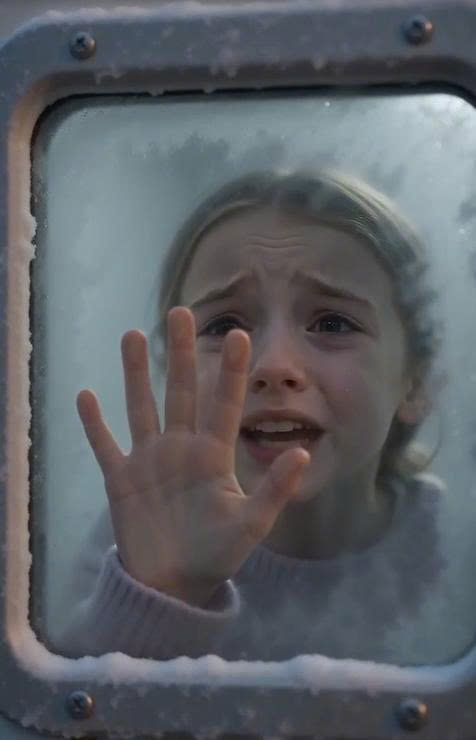
Grant had mortgaged the ranch.
Not his half.
All of it.
Two years earlier, while Robert was still alive, Grant had submitted a deed of trust representing that Bennett Family Holdings LLC owned the entire Granbury property.
The LLC did not.
Robert personally owned fifty percent.
Ethan owned twenty-five through an earlier gift.
Grant owned twenty-five.
After Robert died, the brothers inherited Robert’s half equally.
Final ownership:
Ethan fifty percent.
Grant fifty percent.
But the mortgage papers treated the LLC Grant controlled as sole owner.
The lender advanced $4.2 million.
Most of the money disappeared into Crescent Ridge Investments.
Grant’s company.
Ethan felt physically ill.
“He forged authority over my property.”
Maya nodded.
“This may be another fraud count.”
“What happens to the ranch?”
“The lender may have a defective lien against your share. Litigation will determine it.”
“So I can’t borrow against it.”
“Not quickly.”
Every path Grant had used to solve one problem had contaminated another asset.
Company.
Marriage.
Inheritance.
Property.
Family.
At noon federal agents executed search warrants at Bennett Aero Charter headquarters and Grant’s home.
Employees watched boxes leave the offices.
The story dominated local news.
Crestmont refused to extend the five-day bridge-note deadline.
Maya called their lawyers.
“You benefited from undisclosed self-dealing,” she said. “Your affiliate funded Grant personally while negotiating to acquire the company.”
Crestmont denied wrongdoing.
Their attorneys claimed Grant represented that all approvals existed.
They offered a solution.
Proceed with the ninety-six-million-dollar acquisition.
Immediately.
They would forgive the bridge note at closing.
Ethan stared at the proposal.
“They’re using the debt Grant created to force the sale Grant wanted.”
Maya nodded.
“But financially it might save the company.”
“By rewarding them.”
“Yes.”
The board was divided.
Employees were terrified.
Ethan faced the choice Grant had designed.
Fight and risk collapse.
Sell and let everyone who manipulated the company get what they wanted.
Then Carter’s formal FBI proffer changed the stakes.
She admitted Northstar had been designed initially not to steal money but to conceal Grant’s first unauthorized loan payment.
Four years earlier, Bennett Aero Charter had suffered a major cash shortfall after losing two charter contracts.
Grant borrowed $3 million privately without board approval.
He used Northstar invoices to hide repayment.
Then he realized the fake invoices could generate excess cash.
The scheme grew.
Grant bought a vacation condo.
Made private investments.
Paid Carter.
Covered personal debts.
What began as “saving the company” became theft.
Carter also admitted sending Olivia the fake affair evidence.
And she admitted locking Emma inside the container.
“I thought five minutes would scare her,” she told investigators.
“Why not simply delete the phone video?”
“Because the phone was locked.”
“Why not take the phone and leave?”
“She was screaming.”
“So you imprisoned her.”
Carter cried.
It did not change the answer.
But Carter gave investigators something even more important.
A hidden archive.
Grant required copies of all sensitive records to be stored on an encrypted off-site server as insurance against partners turning on him.
Carter knew the access method.
The server contained emails between Grant and a Crestmont executive named Richard Mason.
Mason.
The name from the container recording.
Emails showed Mason knew about the bridge note.
He also knew Grant needed Ethan’s voting rights neutralized.
One message from Mason read:
Resolve minority obstacle before closing. We cannot have brother litigation attached to transaction.
Grant replied:
Working on cause event.
Three days later Carter planted the evidence.
Maya read the email twice.
“This connects Crestmont to the motive.”
“Does it prove they knew about Emma?” Ethan asked.
“No.”
“About planting evidence?”
“Not directly.”
“But they knew Grant was trying to create a ‘cause event.’”
“Yes.”
The sale was suddenly no longer merely coercive.
It was potentially part of the conspiracy.
Maya prepared to seek a broader injunction.
Then Sophie’s school called.
Someone had tried to sign her out early.
A man claiming to be a company security employee had said Ethan sent him.
The front office refused because his name was not authorized.
He left before police arrived.
Sophie was safe.
But the message was unmistakable.
The threat had moved from photographs to physical proximity.
Ethan drove to Olivia’s house.
Police cars sat outside.
Sophie opened the door and ran into him.
“I knew you didn’t send him.”
“How?”
“You said if a door closes, we find the key.”
Ethan hugged her tightly.
She whispered, “Uncle Grant knows my school.”
Ethan pulled back.
“Did you see the man?”
“Yes.”
“Was it Grant?”
“No.”
“Have you seen him before?”
Sophie hesitated.
“At the airport.”
“When?”
“The day Emma was in the container.”
“Where?”
“He was standing beside Uncle Grant’s car.”
Maya later showed Sophie photographs under police guidance.
Sophie identified Richard Mason.
The Crestmont executive.
The buyer’s representative had personally gone to a nine-year-old child’s school using a false pretext.
By midnight federal agents were searching for him.
And the company’s bridge-note deadline expired in thirty-six hours.
May you like



The final confrontation was no longer about money.
Someone had started coming after Ethan’s children.







