Chapter 14 - What Ethan Actually Inherited
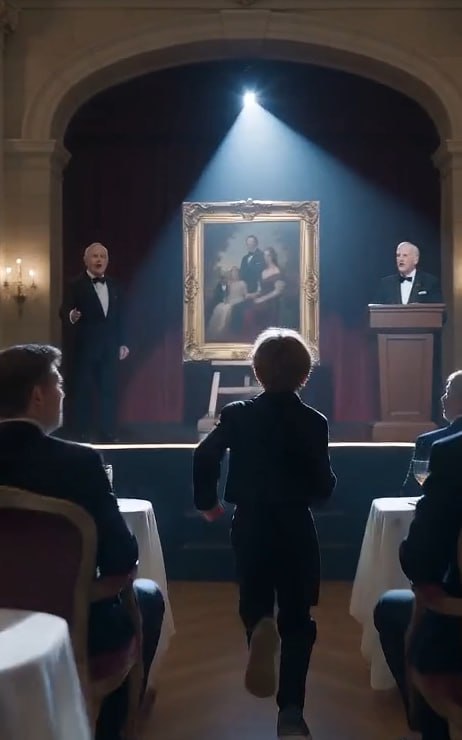
It took eight months.
Not eight dramatic days.
Eight months of hearings, audits, title searches, forensic examinations, tax opinions, trust petitions, corporate negotiations, and arguments Ethan mostly did not understand.
The 1978 will was authenticated.
Ink.
Paper.
Signatures.
Witness records.
Henry’s handwriting.
The hidden original had remained sealed behind the portrait since at least 1986.
No valid later will existed.
The 1982 instrument was set aside.
The probate court recognized Henry’s 1978 will.
Margaret had been the rightful principal heir.
The 1986 settlement was voided after evidence showed fraud, coercion, conflicted counsel, and failure to pay the stated consideration.
The Elizabeth Ashcroft Family Trust was separately restored.
But Ethan did not wake up one morning with seventy million dollars in his bank account.
Rebecca had warned him.
The reality was complicated.
Ashcroft Hall carried maintenance obligations.
Some art had secured loans.
Company shares had voting restrictions.
Taxes were substantial.
Litigation costs were enormous.
The court created a protected trust for Ethan.
Independent trustees.
No Victor.
No Eleanor.
No Rosa controlling the fortune either.
Rosa was relieved.
“I don’t want that kind of stress.”
Ethan smiled.
“You handle wedding caterers.”
“Exactly. I have suffered enough.”
The trust could pay for Ethan’s education, housing, health, and reasonable support.
Major distributions required independent approval until adulthood.
The Ashcroft Holdings shares were placed under professional management rather than handed to a twelve-year-old.
The company restructured its debt.
A land sale still happened.
But through an independent board.
Employees kept their jobs.
Victor had been wrong about one thing.
Truth did not automatically destroy the company.
It destroyed his control.
Those were not the same.
Investigations continued.
Victor was charged with offenses related to foundation misuse, document concealment, and unlawful financial representations made in recent years.
The forty-year-old probate fraud itself raised statute-of-limitations complications prosecutors debated publicly.
His assault on Ethan resulted in a negotiated misdemeanor case, probation, counseling, and community-service requirements after Rosa and Ethan declined to demand jail.
Ethan did not forgive him.
He simply did not need punishment to become theater.
Eleanor faced civil judgments and separate criminal scrutiny for later financial misconduct.
Her cooperation mattered.
Her age mattered.
Her confession mattered.
None erased what she had done.
She relinquished Ashcroft Hall.
The mansion became part of Ethan’s trust.
He immediately asked if he had to live there.
Rebecca laughed.
“No.”
“Good.”
“What should happen to it?”
Ethan thought.
Eventually, the trustees approved a plan.
Part of Ashcroft Hall became a cultural foundation and public archive.
The family art collection would not disappear into secret private sales.
Margaret’s portrait would hang where visitors could see it.
Not behind anything.
Rosa’s catering business recovered slowly.
Not through Ethan secretly paying her bills.
She refused that.
Instead, the publicity brought new clients after the full truth emerged.
She also stopped letting Ethan work events.
“You can fold napkins at home for free,” she said.
“That sounds like exploitation.”
“File a complaint.”
He laughed.
Margaret’s name was restored to the Ashcroft family records.
Old photographs were recovered.
School letters.
Home movies.
A newspaper archive found footage of her attending a foundation event at sixteen.
For the first time, Ethan saw his mother move as a teenager.
She laughed with her whole body.
He watched the clip twelve times.
Then came Eleanor’s letter.
She asked to see him.
Rosa said the choice was his.
Rebecca said the same.
Ethan agreed.
They met at Ashcroft Hall before the public opening.
Eleanor looked smaller without the mansion belonging to her.
She stood before Margaret’s restored portrait.
The damage Ethan caused had been carefully stabilized.
Conservators had separated the outer painting without destroying it further.
Both works survived.
The later family portrait would also be preserved.
Not because it was truthful.
Because it was part of what happened.
Eleanor looked at Margaret’s painted face.
“She hated that dress.”
Ethan smiled despite himself.
“She kept a photo of it.”
“Henry chose it.”
“Then she probably hated it.”
Eleanor laughed softly.
Then tears filled her eyes.
“I loved her sometimes.”
Ethan looked at her.
“Sometimes?”
“I’m trying not to rewrite myself into a better person.”
That answer mattered.
Eleanor continued.
“There were mornings when she sat in my kitchen and told me everything. Boys. School. Her father. She once called me Mom by accident.”
“What happened?”
“I let fear become larger than love.”
Ethan stared at the portrait.
“I don’t forgive you.”
Eleanor nodded.
“I know.”
“I might never.”
“I know.”
“You hurt her.”
“Yes.”
“And then Victor hurt her because you taught him that protecting family meant hiding what you did.”
Eleanor’s face crumpled.
“Yes.”
Ethan reached into his backpack.
He removed a photocopy of Margaret’s 2016 letter.
“I used to be angry she took the money.”
Eleanor looked at him.
“I’m not anymore.”
“Why?”
“Because she was tired.”
Eleanor began crying.
Ethan continued.
“That doesn’t mean every choice she made was right.”
“No.”
“But you made her spend her whole life choosing between truth and survival.”
Eleanor lowered her head.
“I’m sorry.”
Ethan believed her.
That was all.
Not forgiveness.
Not reunion.
Belief.
Before she left, Eleanor handed him a small silver frame.
Inside was a photograph.
Margaret at eighteen.
Henry beside her.
On the back, Eleanor had written in 1986:
Margaret — stubborn, impossible, brilliant.
Ethan looked up.
“You wrote this?”
“Yes.”
“Before you erased her?”
Eleanor closed her eyes.
“Yes.”
Ethan slipped the photograph into his bag.
Eleanor walked away.
He stood alone before the portrait.
The court had ruled that he had inherited assets.
Property.
Shares.
Art.
Money.
But none of those things felt like the real inheritance.
The real thing was uglier.
His mother’s unfinished fight.
Her mistakes.
Her fear.
May you like



Her stubbornness.
And the choice to decide what part of the family history ended with him.







