Chapter 5 - Twenty-Four Million Dollars
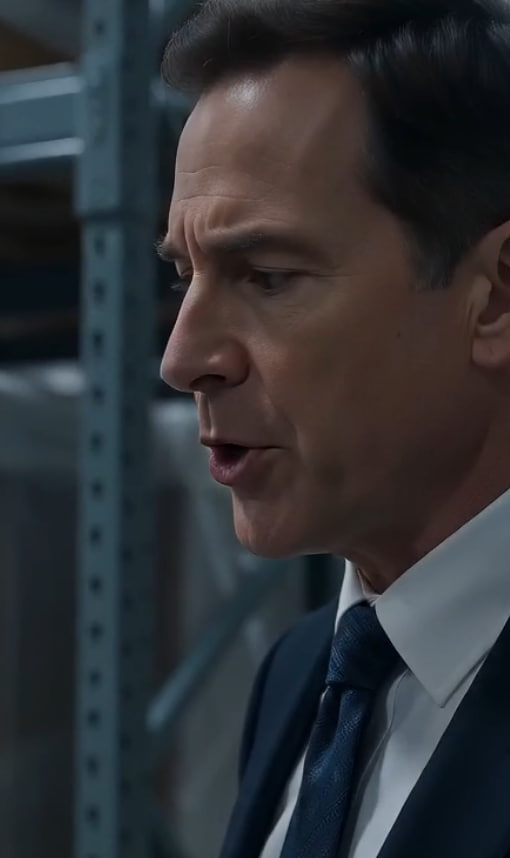
Mara could no longer enter restricted museum systems, but suspension did not remove her from the Whitmore Holdings board.
That distinction mattered.
Whitmore Holdings owned the profitable logistics company that transported art for museums and private collectors across North America.
On Friday morning Mara exercised her director’s right to inspect corporate records.
Celeste’s lawyers objected.
Naomi cited Delaware law and the company bylaws.
By noon, the records arrived.
At two, Mara found the first transfer.
$4.8 million from the museum acquisition reserve to an entity called Aster House Foundation.
Then another.
$7 million.
Then $13 million.
Total: $24.8 million.
Helen stared at the screen.
“I’ve never heard of Aster House.”
“It’s labeled educational outreach.”
Naomi looked closer.
“Then why did the money move through Whitmore Logistics first?”
They traced the transactions through three accounts.
The final recipient was Aster House Holdings LLC in Nevada.
Not a charity.
A private company.
Mara called the museum’s chief financial officer, Peter Lang.
He refused to speak without board counsel.
She reminded him that falsifying charitable records could expose him personally.
Thirty minutes later he called back.
“I didn’t authorize the original transfer.”
“Who did?”
“Richard.”
“And Celeste?”
“She countersigned the supporting grant memo.”
“What was the money for?”
“I was told it purchased educational facilities.”
“Where?”
“I don’t know.”
Mara’s temper rose.
“You moved twenty-four million dollars and never asked where?”
“I asked.”
“And?”
“I was told I could resign if I was uncomfortable.”
He hung up.
Naomi searched public records.
Aster House Holdings had purchased a secured note eighteen months earlier.
Borrower: Richard Whitmore.
Original principal: $18.2 million.
Collateral included Richard’s private residence, his personal Whitmore Holdings shares and several partnership interests.
Mara sat back.
“My father owes them eighteen million dollars.”
“With penalties and accrued interest, probably more,” Naomi said.
Helen whispered, “Celeste knows.”
Mara looked at the museum transfers.
“You think donor money paid his debt?”
“I think someone is laundering payments through museum accounts to something connected with his debt.”
The phone rang.
Richard.
Mara answered on speaker.
“You accessed the financial records.”
“Yes.”
“You have no idea what you’re looking at.”
“Twenty-four point eight million dollars.”
Silence.
“What is Aster House?”
“Mara—”
“Who owns it?”
“I said we would talk.”
“Then talk.”
Richard’s voice became hard.
“Come to the lake house alone.”
Naomi immediately shook her head.
Mara asked, “Why alone?”
“Because every conversation with you now includes attorneys, police or your aunt.”
“That’s because you tried to put my daughter on an airplane.”
“I need to explain something you will not understand in a conference room.”
He disconnected.
Mara wanted to refuse.
Instead she made a mistake.
She went.
Not entirely alone—Naomi knew where she was, and Marcus waited in a car two blocks away—but Mara entered the lake house without counsel.
Richard stood at the windows overlooking Lake Michigan.
He looked ten years older.
“I made financial mistakes,” he said.
“How many?”
“A major expansion was failing. Donations collapsed during the downturn. Logistics revenue covered some losses.”
“Restricted museum funds?”
“At first, short-term intercompany advances.”
“Illegal ones.”
“Improper ones.”
Mara laughed bitterly.
“That vocabulary is why rich people think they’re different from thieves.”
Richard’s jaw tightened.
“I intended to repay everything.”
“Then Celeste found out.”
He looked at her.
Mara understood.
“She blackmailed you.”
“No.”
“Then why does she control you?”
“She arranged financing when no bank would lend without disclosure.”
“Aster House?”
“Yes.”
“Who owns it?”
Richard hesitated.
“I was told private investors.”
“You signed documents without knowing?”
“I was desperate.”
“You signed custody papers without thinking too?”
His face broke for a moment.
“I thought if you postponed the audit, I could unwind the transactions.”
“You thought stealing Elise would buy time.”
“I never thought of it that way.”
“That is exactly how you need to think of it.”
Richard stepped closer.
“Celeste promised Elise would never reach Connecticut.”
Mara went still.
“What?”
“She said the transfer was pressure. Nothing more.”
“You packed her passport.”
“I believed you would sign.”
“You gambled my daughter on my obedience.”
Richard’s eyes filled with tears.
Mara felt nothing.
Then she asked the question that mattered.
“What happened to Girl with Blue Ribbon?”
Richard looked toward the lake.
Too slowly.
Mara whispered, “Oh my God.”
He knew.
Before he could answer, Mara’s phone vibrated.
Helen had sent one photograph.
A shipping manifest dated fourteen months earlier.
GRB-1936-044.
Destination: Geneva.
Mara showed Richard.
His face went white.
“Where is the painting?”
He sat down.
May you like



And said the sentence that changed everything.
“Celeste told me it had already been sold.”







