Chapter 3 - The Letters From a Dead Marriage
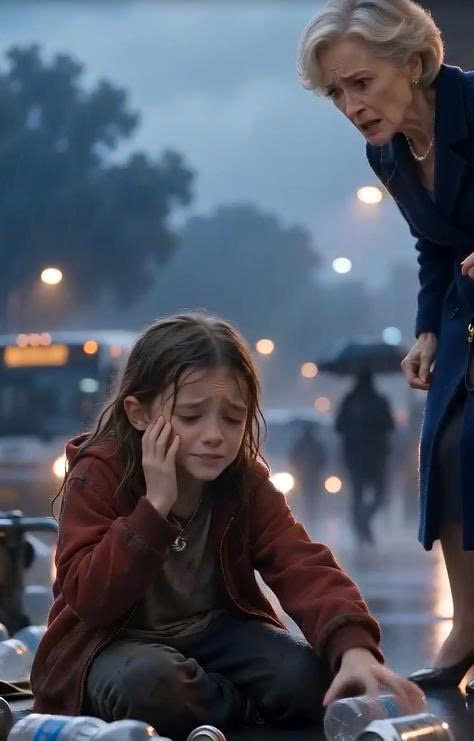
Margaret spent the next forty-eight hours discovering how effectively a family could be destroyed by paper.
Laura’s old letters arrived from an evidence box stored by her former public defender.
There were eleven.
All printed on Whitmore stationery.
All apparently signed by Margaret.
The first was dated four days after Daniel’s funeral.
Laura—
My patience is exhausted. Your instability is no longer something I am willing to tolerate. Emma belongs with people capable of protecting Daniel’s legacy.
If necessary, I will make certain the court understands why you are unfit.
Margaret read it twice.
Then a third time.
“I would never write ‘Emma belongs with people,’” she said.
Evelyn replied, “That isn’t legally significant.”
“It is to me.”
They were sitting in Margaret’s library with a forensic document examiner named Dr. Neil Porter.
He studied enlarged scans.
“The signatures are high quality.”
“Forged?”
“Possibly traced from originals. But ink analysis would require physical documents.”
“You have them.”
“Only six originals. Five are photocopies.”
Margaret’s eyes moved down the page.
The cruelty sounded almost like her.
That was the worst part.
Andrew hadn’t invented an entirely different Margaret.
He had weaponized the real one.
Her pride.
Her reputation for control.
Her contempt for weakness.
A lie was strongest when built around something true.
Evelyn’s phone rang.
She answered.
Listened.
Then looked at Margaret.
“What?”
“Family Services will permit you one supervised visit with Emma tomorrow.”
Margaret exhaled.
“Where?”
“A child advocacy center. One hour.”
“And Janice?”
“Her guardianship paperwork has been referred for review. She has been told not to contact Emma.”
Margaret nodded.
“Good.”
“Don’t look pleased. Your own contact is restricted because of the slap.”
That silenced her.
The next morning Emma sat at a small table surrounded by crayons and plastic toys.
A social worker named Denise Monroe remained six feet away.
Margaret entered without her handbag, jewelry or expensive coat.
Emma noticed immediately.
“You look different.”
Margaret sat across from her.
“I thought maybe I should.”
“Why?”
“Because the first time you saw me, I was wearing clothes that cost more than they should and behaving worse than anyone should.”
Emma looked down.
Margaret placed the silver necklace on the table.
Denise had approved it beforehand.
“I had it cleaned. Not polished.”
“Why not?”
“The scratch belongs to it.”
Emma touched the pendant.
“My mom said never let anyone take this.”
“Did she tell you why?”
“She said my dad gave it to me.”
“He did.”
“You knew my dad?”
Margaret nearly smiled.
“He was my son.”
Emma looked at the necklace for a long time.
“Was he nice?”
The question shattered something inside Margaret.
“He was stubborn.”
Emma looked disappointed.
Margaret added, “And kind. And terrible at cooking. He once burned soup.”
“How do you burn soup?”
“Exactly what I asked.”
Emma’s mouth twitched.
The smallest almost-smile.
Then vanished.
Margaret folded her hands.
“Emma, I need to say something.”
The girl watched her carefully.
“I should never have hit you.”
Silence.
“I was angry about coffee and a coat. Those things meant nothing. You were scared and cold, and I made it worse.”
Emma picked at a crayon wrapper.
“My mom says grown-ups say sorry when they don’t want consequences.”
Margaret glanced at Denise.
Denise said nothing.
“She’s right sometimes,” Margaret said. “So I’m not asking you to forgive me.”
Emma looked up.
“What are you asking?”
“Nothing.”
That surprised her.
Margaret pushed the necklace closer.
“This belongs to you. Whether you speak to me again or not.”
Emma put it around her neck.
After several minutes she said, “Aunt Janice told me you took kids away from poor people.”
Margaret’s stomach clenched.
“Who told Janice?”
“Uncle Drew.”
“Did you see Uncle Drew?”
Emma hesitated.
Denise leaned forward.
“You don’t have to answer anything that makes you uncomfortable.”
Emma nodded.
Then whispered, “He came to our apartment.”
“When?”
“Before Mom went away.”
Margaret kept her voice calm.
“What did he say?”
“He yelled.”
“At your mother?”
Emma nodded.
“Do you remember what about?”
“She said she wouldn’t sign something.”
Margaret’s heartbeat quickened.
“What?”
“I don’t know.”
Emma squeezed the pendant.
“He said if she didn’t sign, he’d tell everyone she stole money.”
Margaret’s mouth went dry.
“Did he see you?”
“Yes.”
“What did he say to you?”
Emma looked directly at her.
“He said I looked like my dad.”
A pause.
“Then he touched my necklace.”
Margaret felt a chill.
“What did he say?”
Emma’s voice became very small.
“He said, ‘Still wearing that stupid thing?’”
Margaret sat motionless.
Andrew knew Emma was alive.
Not recently.
Before Laura’s arrest.
He had known exactly where she was.
For years Margaret had paid private investigators to search three states.
Andrew had attended meetings about Emma’s disappearance.
He had hugged Margaret on the anniversary of Daniel’s death and told her to accept that some wounds never closed.
And all that time—
He had known.
The door opened.
Evelyn stood outside with a folder.
Her expression told Margaret something else had happened.
When the visit ended, Margaret stepped into the hallway.
“What is it?”
Evelyn handed her a court filing.
Margaret read the heading.
SUPREME COURT OF THE STATE OF NEW YORK
PETITION FOR DECLARATION OF DEATH OF MISSING BENEFICIARY.
Petitioner: Andrew Whitmore.
Missing beneficiary: Emma Daniel Whitmore.
Margaret looked at the hearing date.
Nine days away.
“If Emma is declared dead,” Evelyn said quietly, “Daniel’s trust terminates.”
“Where do the shares go?”
May you like



Evelyn met her eyes.
“To Andrew.”







