Chapter 19 - The Truth Under Oath
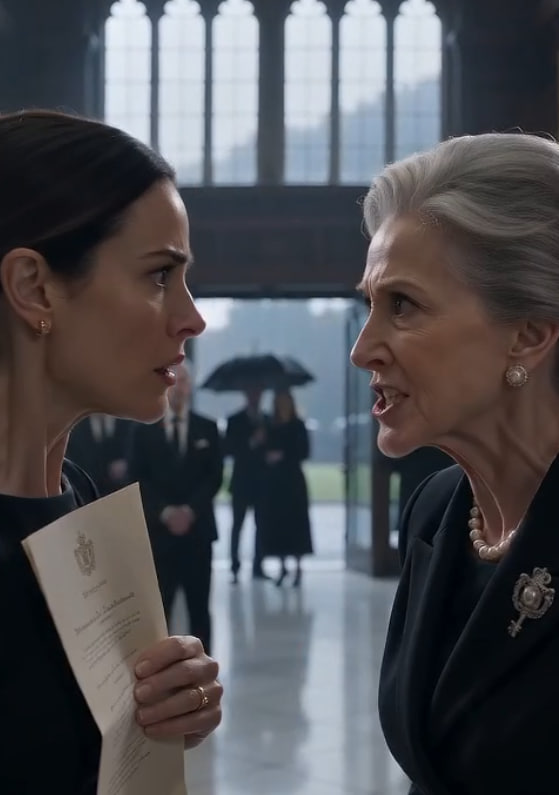
Victoria’s trial began five months after Richard’s funeral.
The charges were narrower than public anger wanted.
Prosecutors did not charge every moral wrong.
They charged conduct supported by evidence:
conspiracy related to financial fraud.
Coercive interference with estate and corporate matters.
Participation in Michael’s unlawful confinement.
Evidence concealment.
Historic financial offenses that remained legally actionable.
Some older conduct fell outside limitation periods.
Some became relevant context rather than independent charges.
Elena learned that justice had boundaries.
That did not make it meaningless.
Victoria’s defense was sophisticated.
Richard authorized many transfers.
Conrad designed structures.
Gabriel moved three million himself.
Michael voluntarily entered Ashford Hall.
Elena benefited from Richard’s money.
Everyone, the defense suggested, was dirty.
Then the prosecution called Henry Collins.
He described Victoria ordering pension transfers.
Sophie explained the shell companies.
Maya authenticated probate documents.
Reyes walked jurors through Michael’s movements.
Paul Mercer described transporting him.
Conrad, under his plea agreement, testified.
That was the moment Victoria finally looked afraid.
Conrad had served her for thirty years.
Now he sat twenty feet away and described their first conspiracy.
“Mrs. Ashford asked whether Gabriel Marlowe could be blamed.”
Victoria’s attorney objected.
Overruled.
Conrad continued.
“I told her the documentation could be structured to create that appearance.”
Gabriel testified next.
He admitted his own unlawful transfer before prosecutors could expose it.
That gave him credibility.
“I was afraid,” he told the jury.
“Did fear make you innocent of everything?” the prosecutor asked.
“No.”
“Did you authorize the twelve million?”
“No.”
Then Sofia’s statement entered through authenticated records.
Elena watched jurors read her mother’s words.
Victoria looked away.
Finally Michael testified.
His mother stared at him.
The prosecutor asked, “Did you voluntarily abandon your wife?”
“No.”
“Did you voluntarily resign?”
“No.”
“Why did you sign?”
“Because Conrad Pierce threatened to release false documents about Elena’s deceased mother and because I believed signing would buy time.”
“Did your mother participate in your confinement?”
Michael looked at Victoria.
“Yes.”
Victoria closed her eyes.
“Did she physically harm you?”
“No.”
“Did she know you were being prevented from leaving?”
“Yes.”
“Did she intend you to remain held indefinitely?”
“I don’t know.”
Precision.
Even now.
No exaggeration.
Elena loved him for that.
Then defense counsel attacked.
“You lied to your wife for eight months about her father being alive.”
“Yes.”
“You conducted a secret investigation.”
“Yes.”
“You met Sophie Grant in hotel rooms without telling your wife.”
“Yes.”
“You entered Ashford Hall voluntarily.”
“Yes.”
“So you are comfortable deceiving people when you believe the purpose justifies it.”
Michael was silent.
The defense attorney smiled.
“Correct?”
Michael looked at Elena.
Then said:
“Yes.”
The courtroom shifted.
He continued.
“And that is one reason my mother’s methods were so dangerous to me.”
The attorney frowned.
Michael said, “I learned secrecy in that house. I learned to call it protection.”
Victoria stared at him.
“I was wrong too.”
No perfect witness.
A credible one.
Elena testified last.
The defense attorney held up the cream-colored papers.
“You understood this settlement would pay you eight million dollars.”
“Yes.”
“And instead you pursued rights potentially worth far more.”
“I pursued the codicil because my husband was missing and the woman demanding my waiver was lying about his disappearance.”
“You now stand to inherit substantial wealth.”
“Yes.”
“So you benefit financially from Victoria Ashford’s downfall.”
Elena looked at the jury.
“I benefited financially from Richard Ashford before I knew it. My mother benefited. My father handled stolen funds. My husband inherited shares. Money contaminated almost every relationship in this case.”
The defense attorney paused.
Elena continued.
“That is why I stopped pretending money proves motive by itself.”
“Do you hate Mrs. Ashford?”
A dangerous question.
Elena looked at Victoria.
“Yes.”
Murmurs.
The attorney smiled.
“So this is revenge.”
“No.”
“Then what is it?”
Elena answered:
“Revenge would be asking the jury to punish her for everything she did to me.”
She touched her cheek unconsciously.
“The law is asking you to decide what the evidence proves she did.”
The smile disappeared.
The jury deliberated for two days.
Victoria was convicted on most major current counts and several financial charges.
Acquitted on two counts prosecutors had pushed further than the evidence supported.
Elena was grateful for that.
Not because Victoria deserved mercy.
Because a mixed verdict meant the jury had actually distinguished proof from anger.
Conrad later received a substantial prison sentence under his plea.
Mercer received a reduced sentence for cooperation.
Victoria received a significant custodial sentence plus restitution and financial penalties.
No one applauded in court.
Michael sat beside Elena.
Gabriel sat behind them.
When Victoria was led away, she looked at Michael.
He stood.
For a second Elena feared he might collapse.
Victoria mouthed:
I love you.
Michael did not answer.
Not because he hated her.
Because some words had been used too often without enough action beneath them.
Outside, reporters shouted questions.
Elena walked past.
Michael followed.
At the courthouse steps, Gabriel stopped.
“What happens now?”
Elena looked at her father.
Then at Michael.
For almost a year, every day had been about what happened before.
May you like



She was tired of living backward.
“Now,” she said, “we decide what we keep.”







