Chapter 15 - The Son Turns
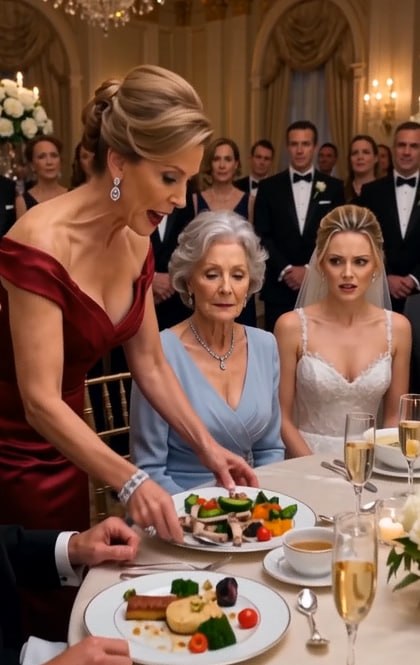
Ethan was not injured.
The crash had been his study door opening after Victoria’s security director arrived with two company attorneys.
By the time police were called, everyone had carefully transformed the confrontation into a dispute over corporate property.
Ethan did not hand me the archive drive.
He handed it to his own criminal-defense attorney.
That was the first intelligent decision he had made in weeks.
His attorney contacted federal prosecutors.
Within twenty-four hours, Ethan entered formal cooperation discussions.
Victoria responded by firing her own son.
Vale Meridian issued a statement saying Ethan had taken an indefinite leave following “personal and emotional difficulties.”
Then the board named Victoria interim chief executive.
“She’s consolidating,” Martin said.
“Or panicking,” Maya replied.
Both could be true.
Ethan’s cooperation did not save him.
That mattered to me.
He admitted participating in the fake bank video.
He admitted delivering the forged guaranty.
He admitted entering my office to copy records.
He admitted M-Strategy had been created to acquire Harbor Street by manipulating me.
He denied physically forging my signature.
Investigators believed the digital signature file had been placed by Victoria’s office.
But Ethan knew it was not mine.
He used it anyway.
The difference mattered morally far less than he hoped.
The archive drive contained groundwater reports going back eighteen years.
Vale had spent millions quietly controlling contamination.
The reports showed Aster’s certification was materially misleading.
They also showed Victoria had ordered employees to classify several environmental summaries under vague internal project names so they would be harder to identify during routine review.
Current conduct.
Current documents.
Current exposure.
The conspiracy finally had a spine.
Then it broke mine.
Atlantic Republic permanently terminated financing for Aster.
Vale Meridian’s stock did not collapse because the company was privately held, but bondholders and private investors reacted.
Credit tightened.
Two development partners withdrew.
The board blamed Victoria.
Victoria blamed Ethan.
Ethan blamed himself selectively.
And a lender sued my firm anyway.
Not on the forged guaranty.
On the real contribution commitment.
Two point four million dollars.
Maya believed we had strong fraud defenses.
Strong defenses still cost money.
Then my investor demanded additional governance rights because litigation risk had increased.
I said no.
She threatened to stop the second funding tranche.
Nina came into my office.
“Don’t do this again.”
“It’s my company.”
“It’s also our payroll.”
I hated her for five seconds.
Then I hated myself because she was right again.
We negotiated.
I gave up another board observer right, not additional equity.
A compromise.
A bruise instead of an amputation.
Margaret spent her days helping our lawyers catalog old records.
She no longer hid when reporters appeared.
One afternoon a journalist shouted, “Mrs. Morgan, did you take hush money from the Vales?”
Margaret stopped.
“Yes.”
The reporter blinked.
“Do you regret it?”
“Every day.”
“Why should anyone believe you now?”
Margaret looked directly into the camera.
“Because shame made me lie by omission for twenty-seven years. I’m finished paying interest on it.”
That clip spread faster than Victoria’s attacks.
Not because Margaret looked powerful.
Because she looked human.
Two days later Martin joined her publicly.
He admitted his false affidavit.
Sabrina testified before a grand jury.
Lena did too.
The circle around Victoria tightened.
But she still had one weapon.
Me.
Specifically, my mistake.
She offered the private lender full reimbursement if it assigned its claim against Claire Morgan Studio to a Vale affiliate.
In plain English, Victoria was trying to buy my debt.
If she succeeded, she could become the party suing me.
“Can she?” I asked Maya.
“Yes.”
“Even while we’re litigating fraud?”
“Yes.”
“Then she could drag this out for years.”
“Yes.”
That evening Ethan came to see me with his attorney’s permission.
We met in Maya’s conference room.
He looked thinner.
No expensive suit.
No Vale pin.
For the first time, he looked like a man separated from his family’s machinery.
“I can stop the debt purchase,” he said.
“How?”
“I own a twenty-two percent beneficial interest in the family holding trust.”
“You told me Victoria controlled everything.”
“Voting control. Not all economic interests.”
“So?”
“I can pledge part of my interest to guarantee payment while the claim is litigated.”
I laughed bitterly.
“Now you want to save me with Vale money.”
“I want to undo one thing.”
“You can’t.”
“One thing, Claire.”
His voice cracked.
“I know I cannot undo the wedding.”
I stared at him.
“Do you remember what you said after you hit me?”
He closed his eyes.
“Apologize to my mother.”
“No.”
He looked up.
“You said I was making it worse than it needed to be.”
His face changed.
“Yes.”
“That’s what all of you believed. That resisting you was the problem.”
He nodded.
For once, no excuse.
“I’ll pledge the trust interest whether you forgive me or not.”
“I won’t.”
“I know.”
He left.
The next morning his attorney called.
Ethan had done it.
The debt assignment failed.
For the first time, he had chosen against Victoria at a cost he could not easily reverse.
Then Victoria made her own move.
She called a special board meeting for Friday.
Her agenda: approve the sale of Vale Meridian’s waterfront subsidiaries, including environmental liabilities, to a newly formed entity.
Martin read the agenda and went pale.
“She’s trying to move the problem.”
“Can she?”
“If she controls enough votes.”
“To whom?”
Daniel opened the corporate filing.
The buyer was Red Crown Holdings LLC.
Formed three days earlier in Delaware.
Its beneficial owner was not publicly listed.
But one person had signed its preliminary financing letter.
Thomas Vale Jr.
Ethan’s uncle.
May you like



Victoria was preparing to bury the evidence inside another family company.
And the vote was in forty-eight hours.







