Chapter 19 - The Cost of Everything
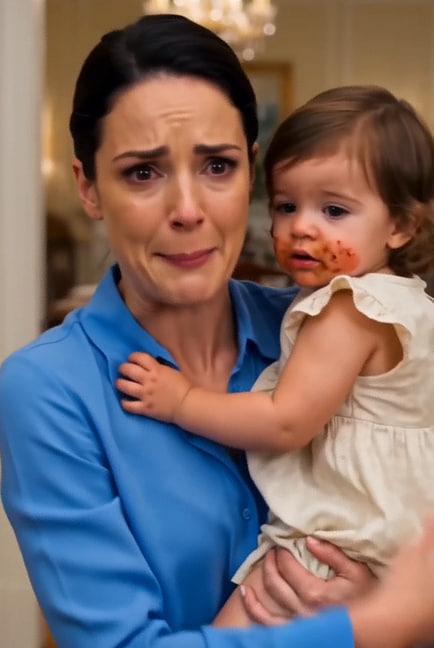
The divorce took nine months.
Ryan stopped fighting for control.
That did not mean the process became easy.
Property had to be divided.
Accounts traced.
Shares valued.
The Greenwich house appraised.
Corporate indemnification disputed.
Attorneys billed hours neither spouse wanted to count.
Eventually, mediation produced terms Claire could accept.
She kept her thirty-five percent stake in Bennett & Rowe.
Ryan retained his remaining economic interest but agreed to convert part of his voting power to nonvoting shares under the restructuring agreement.
Neither spouse would control the board.
Claire bought Ryan’s interest in the Greenwich house using separate inheritance funds and marital equalization credits.
Then she surprised everyone.
She sold it.
Nora asked why.
Claire stood in the empty dining room one final time.
The walnut table was gone.
The chandelier remained.
The pantry cabinet stood open.
No lock.
“I don’t want Lily growing up in a crime scene.”
Nora touched her shoulder.
“It was your home too.”
“Exactly.”
Some things did not need reclaiming.
Some needed leaving.
Bennett & Rowe filed civil claims against Diane and North Harbor seeking restitution.
Assets were frozen through court process.
The Nantucket property was sold.
Brokerage accounts were liquidated.
The company recovered only part of what had been lost.
Real consequences rarely restored every dollar.
Diane ultimately entered a plea agreement on financial charges and a child-risk offense rather than face separate trials.
She received incarceration followed by probation, restitution obligations, and a court order prohibiting contact with Lily unless a future court authorized it.
Ryan reached his own agreement months later.
He accepted responsibility for falsifying corporate records and conduct that endangered Lily.
His sentence included a shorter term of incarceration, probation, financial penalties, and continued restrictions on parenting pending family-court approval.
His cooperation against Diane mattered.
It did not erase what he had done.
Before reporting to serve his sentence, Ryan was permitted one extended supervised visit.
Claire brought Lily.
She was almost three.
Her vocabulary had exploded.
“Daddy going trip?” she asked.
Ryan looked at Claire helplessly.
Claire had discussed the language with a child therapist.
“Daddy has to go away for a while because he made some serious mistakes,” Claire said gently. “You didn’t cause them.”
Lily frowned.
“Daddy bad?”
Ryan flinched.
Claire knelt.
“Daddy made bad choices.”
Lily considered this.
Then she climbed into Ryan’s lap.
“Daddy sad.”
Ryan began crying.
“Yes, bug.”
Lily touched his cheek.
“Snack?”
Claire almost laughed.
Ryan did.
The supervisor brought Lily’s lunchbox.
Ryan opened it carefully.
Crackers.
Blueberries.
A sandwich cut into stars.
He looked at Claire.
The symbolism was impossible to miss.
“Can she eat now?” he asked.
Claire’s throat tightened.
It was such an ordinary parental question.
Once, he had treated food as strategy.
Now he asked permission because the court required supervision.
Claire nodded.
“Whenever she’s hungry.”
Ryan handed Lily the sandwich.
She ate half, then offered him the other half.
“For Daddy.”
He took it.
“Thank you.”
Claire turned toward the window so Lily would not see her cry.
After Ryan left, Lily asked, “Daddy come back?”
“Yes.”
“When?”
“Not for a while.”
Lily accepted that in the temporary way children accept time.
Claire wished adulthood were as simple.
Bennett & Rowe survived.
Under Henry Walsh and an independent board, the company sold weak properties and returned to profitability.
Claire remained a director but refused the chair position when offered.
Rebecca asked why.
“I’ve had enough control for one lifetime.”
“You know governance is not the same as control.”
“I know.”
She smiled.
“Ask me again next year.”
Claire used part of her recovered distributions to establish a child-food security fund through a local nonprofit.
She did not name it after Lily.
She did not publicize the story.
When a reporter discovered the donation and asked why food insecurity mattered to her, Claire said only, “No child should have to prove hunger before an adult believes them.”
Then she went home.
Her new home was smaller.
Still beautiful.
Still comfortable.
But the kitchen opened into the family room.
No formal dining room.
No table large enough to turn dinner into a tribunal.
One evening Nora helped unpack the final boxes.
She found the blue blouse.
“You kept this?”
Claire touched the fabric.
A faint stain remained near the shoulder.
Bread.
Applesauce.
Hospital juice.
“I almost threw it away.”
“Why didn’t you?”
Claire looked toward Lily, who was sitting at her small table eating pasta with her hands.
“Because I thought it represented the worst night of my life.”
“And now?”
Claire watched Lily laugh.
“Now I think it represents the night I finally saw everything clearly.”
Nora folded the blouse and returned it to the box.
Some evidence belonged in court.
May you like



Some belonged in memory.
And some things only became understandable after the danger ended.







