Chapter 17 - The Shareholder Room
The shareholder meeting began six hours after Harbor Grand transferred to Fairmont Ridge.
David had slept ninety minutes.
Margaret sat in the front row.
Maya attended as a foundation witness.
Ethan stayed home.
This room had taken enough from him.
Nina Powell opened the meeting.
The independent committee presented findings.
Julian Mercer and Serena Ashford orchestrated systematic vendor fraud.
They manipulated electronic approvals.
Used Ashford Foundation money.
Structured hidden interests in the Harbor Grand sale.
Claire Ashford discovered the scheme.
Her concerns were not adequately escalated.
David’s management controls were inadequate.
Margaret failed to disclose evidence after Claire disappeared.
The foundation governance structure was compromised by family influence.
No one in the room escaped into a comfortable story.
Then David stood.
For twenty years he had given speeches without notes.
This time he brought paper.
“I am resigning as chief executive officer of Ashford Hospitality Group.”
Whispers spread.
He continued.
“I did not steal foundation money.”
Pause.
“I did not know Claire’s credentials were cloned.”
Pause.
“I did not know Julian and Serena were planning to profit from Harbor Grand.”
Then he looked directly at shareholders.
“But I approved packages I did not adequately review. I ignored warnings because I trusted people who made my work easier. And when my wife tried to tell me something was wrong, I treated her urgency as an inconvenience.”
Margaret began crying.
David continued:
“My mistakes did not cause the choices Serena and Julian made at Pier 6.”
Important.
He would not steal their guilt.
“But my leadership helped create a company where their financial misconduct could hide.”
Silence.
“I cannot ask this organization to adopt stronger accountability while arguing that my title should be protected from it.”
He sat.
No applause.
Good.
This was not a performance.
The board appointed Nina Powell interim CEO pending external search.
David remained a director temporarily.
Shareholders later would decide his nonexecutive role.
Margaret spoke next.
She resigned permanently as chair of the Ashford Foundation.
“I received a warning from Claire and kept it private.”
She did not mention fear until asked.
Did not center her own pain.
Maya testified about reporting guest-count discrepancies.
Nobody acted after Julian dismissed her.
The new foundation governance plan required direct whistleblower access to independent auditors.
Staff would no longer have to report concerns only through executives implicated by them.
That reform mattered to Maya more than any promotion.
Then Claire’s twelve-percent trust came up.
Helen Cho recommended the shares remain under independent co-trusteeship for Ethan.
Margaret agreed.
David did not object.
The shareholders approved.
Power left the Ashford family’s hands in pieces.
The company survived.
The family changed.
After the meeting, Detective Hale called.
Charges had been filed.
Julian faced serious financial-conspiracy and obstruction counts, along with charges related to Claire’s death based on the struggle and his failure to seek aid, subject to the precise legal theory prosecutors believed evidence supported.
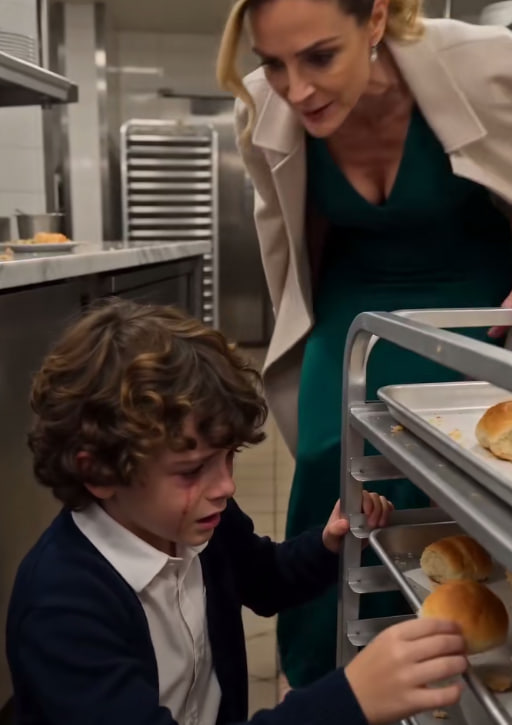
Serena faced financial crimes, evidence concealment, obstruction, offenses arising from the nursery-like kitchen abuse of Ethan, and charges connected to the aftermath of Claire’s fall and long concealment.
No instant verdict.
No guaranteed sentence.
Courts would decide.
David asked:
“Will they go to prison?”
Hale answered:
“Likely if convicted or if pleas are accepted, but I’m not promising outcomes.”
Good.
He had learned to stop demanding certainty from people who did not control it.
Crescent Atlantic reached a civil settlement with Ashford Hospitality concerning the failed sale while separate investigations continued into former executive Grant Bell.
Bell denied knowing Claire would be confronted.
Evidence showed he knew about undisclosed fees and deliberately avoided documenting Claire’s objections.
His consequences would be determined separately.
The Ashford Foundation recovered $4.7 million from frozen Serena- and Julian-linked accounts.
Insurance and civil claims sought more.
Not every stolen dollar returned immediately.
Again, reality.
Then David met Serena once.
Only once.
At her lawyer’s office before she entered a plea.
He did not bring Ethan.
Serena looked thinner.
“You found Claire.”
“Yes.”
“I’m sorry.”
David stared.
“About what?”
Serena looked confused.
“Claire.”
“No. Say what you’re sorry for.”
Tears appeared.
“I’m sorry I didn’t call for help.”
“What else?”
“I’m sorry I lied.”
“What else?”
“I’m sorry I married you without telling you.”
“What else?”
Her face collapsed.
“I’m sorry I made Ethan believe his mother left him.”
David looked away.
That was the hardest.
“Why?”
Serena whispered:
“Because if he kept believing Claire loved him, then there was always a part of your house I couldn’t own.”
David looked back.
There it was.
Not sophisticated.
Possession.
She wanted the family without the dead woman’s presence.
So she punished a child for remembering his mother.
David stood.
“You will not contact Ethan.”
“I know.”
“If he ever wants information about you when he is older, that will be his choice.”
Serena nodded.
“Do you forgive me?”
“No.”
She closed her eyes.
David continued:
“I may someday stop hating what you did every time I wake up.”
Serena looked at him.
“That is not the same thing.”
“No.”
He left.
Outside, Margaret waited.
“Did it help?”
“No.”
“Then why did you go?”
“To hear whether she could say it.”
“Could she?”
“Some of it.”
They walked away.
The criminal case would continue.
May you like



But the conspiracy had stopped controlling the family’s next decision.
That was the first real victory.







