Chapter 19 - What the Evidence Could Not Fix
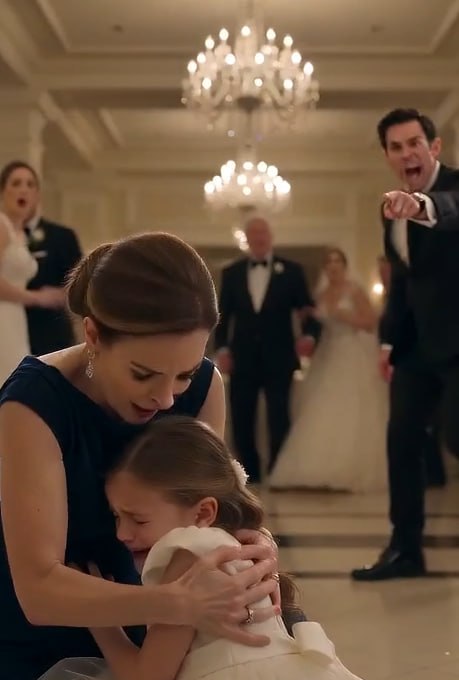
Preston pleaded guilty months later to a negotiated set of charges resolving significant parts of the case.
The wedding assault was included in the factual record.
So was the planted phone.
He stood before the court and admitted:
“I placed my phone in Sophie Cole’s jacket knowing she had not taken it.”
Evelyn sat behind prosecutors with Celia.
Caroline sat across the aisle.
Margaret did not attend.
Preston continued.
“I intended to cause others to question her credibility regarding information she had seen.”
The judge asked, “And then you struck her?”
“Yes.”
“Why?”
Preston looked toward the floor.
“I was angry.”
“That a child denied your lie?”
His attorney shifted.
Preston swallowed.
“Yes.”
Evelyn felt no triumph.
Just stillness.
For months, the family had argued about context.
Intent.
Pressure.
Money.
Childhood.
Favoritism.
Succession.
But some truths were short.
I placed the phone.
She had not taken it.
I struck her.
Preston received a sentence reflecting the combined financial and other offenses under the negotiated disposition, along with restitution obligations and restrictions on contact.
Nathan’s outcome came later.
His cooperation reduced his exposure.
It did not erase it.
He accepted criminal responsibility for unauthorized access, financial misconduct, and participation in the fraudulent scheme.
He also agreed to substantial restitution.
Before sentencing, he asked to make a statement.
Evelyn did not attend.
Sophie did not attend.
Nathan sent the statement through his attorney afterward.
Evelyn read only one paragraph:
I told myself I was protecting my marriage from a financial mistake. Then I protected the lie from my wife. Then I protected myself from my daughter. Every compromise made the next one easier. I did not become dishonest in one decision. I became dishonest by repeatedly deciding the truth could wait.
Evelyn folded the page.
She kept that paragraph.
Not for Sophie.
For herself.
A warning.
Margaret fought longest.
She never fully admitted moral responsibility.
Her legal resolution included financial penalties, restitution, and criminal consequences tied to the conspiracy and fraudulent documents.
In allocution, she said she had acted to preserve “family legacy.”
Richard listened from the back.
Afterward, outside the courthouse, Margaret approached him through counsel-approved distance.
“You let Evelyn destroy everything.”
Richard looked at her.
“No.”
“You chose her.”
“I chose silence for too many years.”
Margaret’s face hardened.
“You think admitting weakness makes you noble?”
“No.”
“It makes me late.”
She stared.
Then looked at Evelyn.
“You got what you wanted.”
Evelyn shook her head.
“My daughter was attacked.”
“You got the company.”
“I had the career before this.”
“You got your father.”
“He’s not property.”
“You got sympathy.”
Evelyn almost laughed.
Margaret still believed life was allocation.
If Evelyn gained something, Preston lost it.
If Sophie was believed, Margaret was diminished.
There was no shared truth.
Only winners and losers.
Evelyn said, “You still think this was a competition.”
Margaret said nothing.
“That’s why you never understood what you lost.”
For the first time, Margaret looked uncertain.
Evelyn walked away.
The divorce from Nathan finalized quietly.
They divided assets under negotiated terms informed by the concealed debts.
Evelyn retained the marital home primarily because Sophie remained there.
Nathan accepted responsibility for a larger portion of debt connected to his undisclosed investments.
No dramatic last-minute revelation.
Just signatures.
Nathan’s therapeutic visits with Sophie continued.
Months passed before Sophie allowed him to hug her.
The supervisor noted it.
Nathan did not celebrate visibly.
Good.
He had finally learned that forgiveness was not a prize for good behavior.
One afternoon, Sophie asked him:
“Are you still friends with Uncle Preston?”
Nathan said, “No.”
“Do you hate him?”
“No.”
“Why?”
“Because blaming him for everything would be another lie.”
Sophie thought.
“Did Grandma make you do it?”
Nathan answered:
“She pressured me. I still chose.”
When Evelyn read that report, she cried.
Not because she wanted Nathan back.
Because he had finally spoken to Sophie without protecting himself.
Hartwell Hospitality recovered millions through asset seizures, settlements, insurance, and restitution.
Not every dollar.
Some money was gone.
Some legal costs would never return.
Some deals were lost.
The company survived.
Evelyn’s first major policy as CEO required independent review of related-party transactions.
Her second strengthened whistleblower protection.
Her third surprised the board.
She created a family-business ethics program for senior executives and directors.
Samuel asked, “Is that necessary?”
Evelyn said, “If your governance depends on relatives behaving better than strangers, it isn’t governance.”
The motion passed.
Richard smiled.
He did not vote.
He had stepped back.
Sophie began therapy.
At first she drew the wedding repeatedly.
The phone.
The chair.
The menu board.
The red mark.
The camera.
Then the drawings changed.
The room became smaller.
The people became less frightening.
One day, the menu board disappeared entirely.
Her therapist asked why.
Sophie shrugged.
“It’s not important anymore.”
When Evelyn heard that, she had to leave the room to cry.
The board had seemed enormous when it struck her.
Months later, it had become irrelevant.
Not forgotten.
Reduced.
That was healing.
The white ribbon remained.
Sophie had washed it herself.
A faint rust-colored stain still marked one edge.
Evelyn offered to throw it away.
Sophie refused.
“Why keep it?”
“I want to use it.”
“For what?”
“You’ll see.”
Near the first anniversary of the wedding, Richard announced he wanted to host an employee scholarship dinner at the Grand Meridian.
Same ballroom.
Evelyn immediately said no.
Then Sophie overheard.
“I want to go.”
Evelyn stared.
“You don’t have to.”
“I know.”
“We can choose another hotel.”
“I know.”
“Why there?”
Sophie looked toward the closet where the ribbon waited.
“Because Uncle Preston doesn’t own the room.”
Evelyn stopped breathing.
Sophie continued.
“And Grandma doesn’t.”
“No.”
“And Dad doesn’t.”
“No.”
“Then why should they get to keep it?”
Evelyn smiled through tears.
“They shouldn’t.”
Sophie nodded.
“I want to go back.”
So they did.
Not to reclaim a ballroom as a dramatic symbol.
Not because trauma disappears when you revisit a place.
May you like



They returned because Sophie chose to.
Choice was the difference.







