Chapter 8 - The Marriage Behind the Numbers
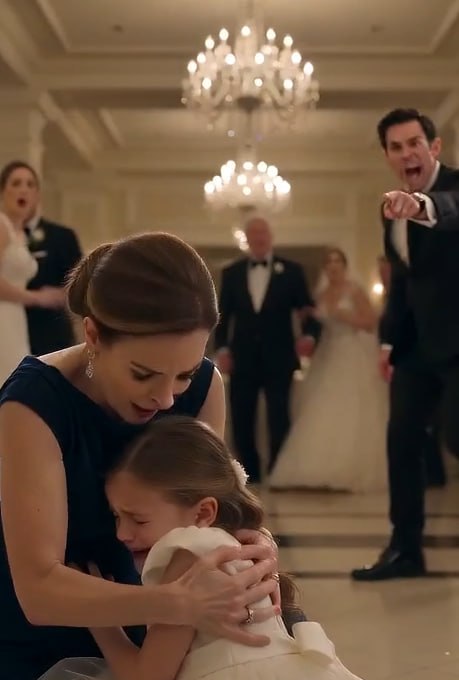
Evelyn’s financial life looked healthy until Marcus began opening it.
Then the holes appeared.
Nathan had not stolen money from their checking account.
He had done something more sophisticated.
He had borrowed against assets Evelyn rarely reviewed.
A securities-backed line of credit.
A private partnership interest.
A jointly owned investment LLC.
Total concealed exposure:
$5.6 million.
Evelyn stared at Marcus.
“He risked five million dollars without telling me?”
“He used entities where he had managerial authority.”
“Was it legal?”
“Some parts, probably. Disclosure obligations between spouses are another question. Fraud depends on representations.”
“Where did the money go?”
“To a private real-estate fund.”
“The one Caroline mentioned.”
“Yes.”
“Managed by whom?”
Marcus looked at his notes.
“Stephen Ames.”
Evelyn recognized the name.
Nathan’s business-school friend.
She had met him twice.
Always charming.
Always talking about “asymmetric opportunities.”
“How much did Preston lose?”
“About six point eight million.”
“And Nathan?”
“Five point six.”
“Total twelve point four.”
“Roughly.”
“And the lake scheme gives them enough to recover.”
“Yes.”
Evelyn understood.
Panic had not started with succession.
It started with debt.
Then succession turned debt into existential threat.
If Richard named Evelyn CEO, she would gain visibility.
An audit would follow.
The lake deal would die.
Nathan’s concealed losses would emerge.
Preston’s authority would weaken.
Margaret’s preferred heir would lose.
So they built a trap.
Evelyn asked, “Why forge the trust amendment?”
Marcus answered.
“If Preston became successor trustee, then after Richard’s incapacity or death, he could control trust voting. Even before then, a disputed amendment could create enough uncertainty to delay Evelyn’s authority.”
“Delay.”
“Sometimes delay is worth millions.”
Evelyn looked toward the window.
Nathan had known that.
He knew corporate timing better than anyone.
Her phone rang.
Nathan.
She almost ignored it.
Then answered.
“What?”
“I want to tell you everything.”
“You’ve said that before.”
“I’m serious.”
“Start.”
Silence.
“Not on the phone.”
“No.”
“Evie.”
“If truth requires your preferred setting, it isn’t truth.”
Nathan exhaled.
“Fine.”
He began.
Stephen’s investment fund had started failing fourteen months earlier.
Nathan and Preston concealed losses.
Preston borrowed from Margaret.
Nathan borrowed against marital assets.
Stephen proposed the Hartwell Lake transaction as a way to recover.
“At first it was supposed to be legitimate,” Nathan said.
“Selling forty-two-million-dollar land for twenty-one?”
“Originally Ravenwood would pay thirty-four.”
“What changed?”
“Preston got greedy.”
Evelyn almost laughed.
“Only Preston?”
Nathan went quiet.
“Continue.”
Margaret became involved after Preston confessed his losses.
She wanted the trust amendment.
Nathan resisted.
Margaret reminded him that if Evelyn discovered his concealed debts, his marriage might end.
“So you forged my signature?”
“No.”
“Who did?”
“Margaret arranged documents.”
“Did you know?”
“Yes.”
“Did you stop it?”
“No.”
“And Dad’s signature?”
“Yes.”
Evelyn felt numb.
“Who physically created them?”
“I don’t know.”
“Did you create the fake electronic approvals?”
“Some.”
Evelyn gripped the phone.
“How many?”
“Five.”
“How?”
“Your backup token.”
“From our home.”
“Yes.”
“Did Mom use it too?”
“I gave her the maintenance code once.”
There it was.
“You let her into our house.”
“Yes.”
“To impersonate me.”
Nathan’s voice broke.
“Yes.”
Evelyn closed her eyes.
She had slept beside this man.
Raised a child with him.
Trusted him with her passwords, accounts, fears.
“Why frame Sophie?”
A long silence.
Then Nathan said, “Because she recognized your signature.”
“That is not an answer.”
“She was going to tell you before the wedding ended.”
“Good.”
“If you knew, you would call Richard.”
“Correct.”
“He would freeze the sale.”
“Correct.”
“And the trust amendment would be investigated.”
“Correct.”
“And your crimes would be exposed.”
Silence.
“Yes.”
Evelyn whispered, “So my daughter’s humiliation bought you time.”
“Yes.”
The honesty was almost unbearable.
Nathan continued.
“I thought Preston would just say she had taken the phone and misunderstood what she saw. I thought people would assume she opened private messages because she was curious.”
“You knew she would be called a thief.”
“I knew that was possible.”
“And you allowed it.”
“Yes.”
Evelyn’s eyes filled.
“Did my mother know?”
“Yes.”
Another blow.
“Did she suggest Sophie?”
“No.”
“Who did?”
Nathan said nothing.
Evelyn waited.
Finally:
“Me.”
The room seemed to narrow.
“What?”
“I said if Sophie repeated what she saw, we needed a reason people wouldn’t trust her memory of the phone.”
Evelyn stopped breathing.
“Preston suggested accusing her of snooping.”
“And you?”
“I said theft would create stronger doubt.”
Evelyn lowered the phone.
For a second she could hear nothing except her own heartbeat.
Then Nathan’s voice:
“Evie?”
She brought the phone back.
“You invented it.”
“I am sorry.”
“No.”
“You invented the lie that she was a thief.”
“Yes.”
“And Preston carried it out.”
“Yes.”
“And Mom knew.”
“Yes.”
“And then he hit her.”
“I never wanted that.”
Evelyn’s voice turned quiet.
“You keep using the violence as the line you didn’t cross.”
Nathan cried.
“It matters.”
“It matters to the criminal charge.”
She wiped her eyes.
“It doesn’t save you as her father.”
She ended the call.
Ten minutes later, she forwarded her notes to Celia.
Celia called immediately.
“Did you record that?”
Evelyn’s heart sank.
“No.”
“Virginia is one-party consent if you were there?”
“We’re in Illinois.”
“Still one-party consent under Illinois law has complexities and exceptions after statutory changes; don’t rely on casual recording without guidance. Your contemporaneous notes matter, but we need admissible evidence.”
Evelyn closed her eyes.
A mistake.
She had let emotion outrun strategy.
“Can we use the call?”
“As a lead.”
Not enough.
Nathan could deny.
Retract.
Reframe.
Her first instinct had been to confront.
She had gotten truth but not the strongest proof.
Celia said, “This is why we build cases instead of moments.”
Evelyn looked at Sophie’s school photograph on the refrigerator.
“I know.”
The lesson would become expensive.
Because the next morning Nathan’s attorney sent a letter.
Nathan denied ever proposing that Sophie be accused of theft.
May you like



He claimed Evelyn had misunderstood a distraught conversation.
And without a recording, Evelyn had only her word against his.







