Chapter 18 - The Man Behind the Money
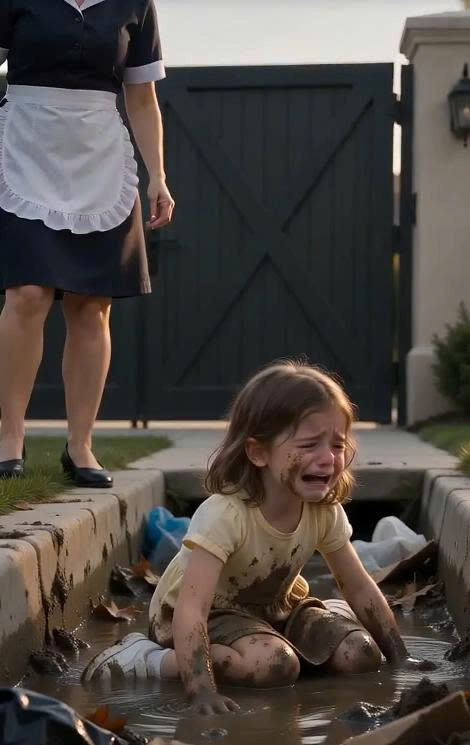
Kessler's hidden account changed Eleanor's defense.
For years, she believed Northbridge was rebuilding the Mercer fortune.
In reality, Kessler had been skimming enormous sums from every participant.
Hale.
Eleanor.
Other distressed clients.
He created crises, offered solutions through entities he controlled, and charged everyone for rescue.
Eleanor was not merely a perpetrator.
She was also a victim.
Rachel felt no sympathy.
Being robbed did not erase what Eleanor had done to Sophie.
But it explained why Kessler always encouraged escalation.
More fear meant more transactions.
More transactions meant more money.
Kessler finally agreed to cooperate on certain financial counts in exchange for sentencing consideration.
He turned over encrypted records showing exactly how the scheme began.
Five years earlier, he learned Owen's hotel project was vulnerable.
He commissioned the environmental report that damaged the zoning approval.
He then encouraged Arthur Hale to guarantee additional debt, knowing Hale Development would eventually face liquidity pressure.
Eleanor invested through Northbridge believing she was buying influence.
Kessler used her resentment of the Hales to secure cooperation.
When Arthur discovered inflated invoices, Kessler tried to stall him.
Arthur planned to report him.
Then Arthur died naturally before doing so.
Kessler seized the opportunity.
He convinced Eleanor that Julian could gain control of Hale.
He convinced Julian that Northbridge had saved the company.
He convinced everyone they needed him.
Rachel sat across from Kessler during a civil deposition months later.
He looked disappointingly ordinary.
Expensive suit.
Thin glasses.
Dry voice.
Rachel had expected evil to have a shape.
It didn't.
Her attorney asked most questions.
At the end, Rachel was permitted one.
“Why my family?”
Kessler looked at her.
“Your family had assets.”
“That simple?”
“Yes.”
“My father trusted you.”
“Your father trusted contracts.”
“You were his lawyer.”
“I was outside counsel.”
Rachel almost laughed.
Even now, language.
Distance.
Technical distinctions.
“Did you care that a child was being hurt?”
Kessler's expression tightened.
“I never authorized physical abuse.”
Rachel looked at him for a long moment.
“That's what Eleanor says too.”
He looked away.
The criminal cases resolved over the following months.
Kessler received a substantial federal prison sentence after pleading to fraud, conspiracy, and obstruction-related charges across multiple matters.
Derek received a shorter custodial sentence based on cooperation.
Clara was sentenced under her plea agreement, including incarceration and strict no-contact provisions regarding Sophie.
Reed was convicted under his cooperation agreement and permanently removed from Hale's board.
Eleanor took her case farther.
She could not admit defeat.
Finally, on the eve of trial, faced with recordings, financial records, Clara's testimony, Julian's testimony, and video corroboration, she accepted a plea involving fraud and child-endangerment-related conduct.
At sentencing, she asked to speak.
Rachel attended.
Julian sat separately.
Eleanor stood before the judge.
“I loved my family.”
Rachel felt Julian stiffen.
Eleanor continued.
“Everything I did began because I wanted my son to have the position he deserved.”
The judge asked, “Including permitting a child to be confined in a pantry?”
Eleanor's face tightened.
“I did not understand the severity.”
Rachel closed her eyes.
Still.
Even now.
Not responsibility.
Severity.
The judge was unmoved.
Eleanor received prison time, restitution obligations, and permanent no-contact restrictions with Sophie unless a future court determined otherwise.
When deputies led her away, she turned toward Julian.
“I'm your mother.”
Julian cried.
Then he answered softly, “And she is my daughter.”
Eleanor looked at Rachel.
For the first time, there was no superiority in her face.
Only loss.
Rachel felt no triumph.
Justice did not feel like victory.
It felt like a door closing.
Outside the courthouse, reporters crowded the steps.
Rachel gave one statement.
“My daughter told the truth before any adult had the courage to do it. This case is over for us. Sophie deserves privacy, childhood, and peace.”
Then she walked away.
Hale Development survived.
The board approved sweeping governance changes.
No family member could serve simultaneously as chair and successor trustee over another family member's voting shares.
Related-party transactions required independent committee review.
Anonymous whistleblower systems were strengthened.
Rachel nominated Naomi Chen as chief financial officer.
The board approved unanimously.
Owen remained a shareholder but stepped away from development decisions for a year while completing corporate governance training and resolving remaining issues around the hotel project.
Rachel did not resume CEO duties.
That surprised everyone.
She remained chair but hired an independent chief executive.
Owen asked why.
“Dad spent his whole life making Hale his identity,” Rachel said.
“And?”
“I don't want Sophie thinking she has to inherit a job to inherit love.”
Owen smiled.
“You really have changed.”
Rachel laughed.
“So have you. Slightly.”
Their relationship repaired slowly.
No grand apology fixed it.
Repeated honesty did.
The divorce moved toward settlement.
Julian accepted financial terms.
Parenting remained supervised longer than he wanted.
He didn't challenge it.
Therapists worked with Sophie.
With Rachel.
Eventually with Julian.
One afternoon, Sophie asked whether Clara hated her.
Rachel answered, “I don't think this happened because of who you are.”
“Then why?”
“Because Clara made bad choices when she was scared and greedy and angry.”
“Grandma too?”
“Yes.”
“Daddy too?”
Rachel hesitated.
“Yes.”
Sophie looked down.
“Did you?”
Rachel's throat tightened.
“Yes.”
“What bad choice?”
“I hit Clara.”
Sophie looked shocked.
“But she hurt me.”
“That doesn't make hitting her the right choice.”
Sophie considered this.
“Were you mad?”
“Very.”
“Are you bad?”
Rachel smiled sadly.
“No.”
Sophie nodded with satisfaction.
“People aren't one thing.”
Rachel kissed her hair.
“No, sweetheart.”
They weren't.
That night, Julian called.
“I got the court notice.”
Rachel knew.
His criminal case had resolved with probation, financial penalties, and cooperation obligations rather than incarceration, based partly on his assistance and lack of prior record.
“You're lucky,” Rachel said.
“I know.”
“Use it.”
“I will.”
He paused.
“Rachel?”
“Yes?”
“The yellow dress. Do you still have it?”
Rachel's chest tightened.
“The police returned it.”
“What are you going to do with it?”
“I don't know.”
“Don't throw it away.”
“Why?”
Julian was silent.
Then he said, “Because one day Sophie may want proof that something terrible happened to her and still didn't become the most important thing about her.”
May you like



Rachel looked toward the evidence box in the closet.
For once, Julian had said exactly the right thing.







