Chapter 13 - The Day Marcus Lost Vale Heritage
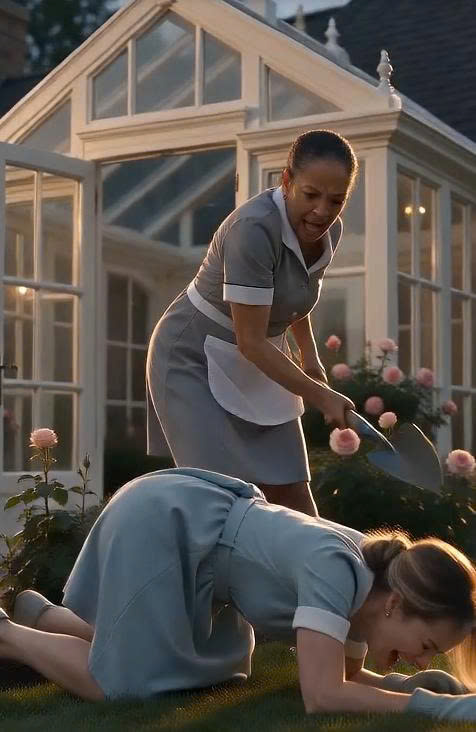
Federal investigators froze the $9 million before transfer.
Eleanor's attorneys called it overreach.
The court disagreed.
Then Vale Heritage's lenders reacted.
Fraud investigations.
Trust disputes.
Potential historical bribery.
Leadership instability.
The company's largest credit facility was placed under review.
Vale Heritage shares were privately held, but lenders could still squeeze.
The board needed stability.
Karen Whitmore proposed a permanent independent CEO.
Marcus expected to return eventually.
Now he realized he might not.
The board voted eight to three.
Independent CEO.
Marcus would remain a director only if conflict counsel approved.
He lost the job he had prepared for since college.
After the meeting he sat alone in Richard's old office.
Olivia found him there.
“They voted me out.”
“They voted for independent management.”
“Same result.”
“Yes.”
He looked at her.
“I thought exposing the truth would give me the company back.”
“Maybe the company isn't the prize.”
He laughed bitterly.
“Easy for you to say.”
Olivia stiffened.
Marcus knew immediately he had made a mistake.
Her career had been attacked publicly because of his family.
Her body still carried the shovel injury.
“I'm sorry.”
She nodded.
Not forgiveness yet.
Marcus looked around.
“My grandfather built this. Dad expanded it. I was supposed to lead it.”
“Supposed to according to whom?”
“My whole life.”
“Exactly.”
That hurt.
He stood.
“I need to be alone.”
Olivia left.
For the first time, she wondered whether the marriage would survive after the conspiracy ended.
Crisis had given them a shared enemy.
Without it, they still had themselves.
Eleanor seized the opportunity.
She released a statement:
My son has allowed outside influences to remove him from his father's company.
No name.
Everyone knew who “outside influences” meant.
Olivia.
Then Marcus made his own mistake.
He responded publicly.
“My wife did not remove me from Vale Heritage. Years of concealed conflicts and family misconduct did.”
The statement was true.
But he also mentioned active investigations.
Company counsel was furious.
The board temporarily suspended him as director too.
Marcus had no formal power left.
Eleanor called.
“You see what she has cost you.”
Marcus almost hung up.
Then stopped.
“No.”
“What?”
“I cost myself the board seat.”
Eleanor went silent.
“I issued the statement.”
“Because Olivia influenced—”
“No.”
He smiled sadly.
“You really can't stand responsibility existing outside your control.”
He hung up.
Meanwhile, Diane formally entered her plea agreement.
Thomas became a crucial witness for the assault.
He also produced metadata proving his video had not been edited.
Diane's defense did not contest.
Olivia asked prosecutors not to minimize the second shovel swing.
“It matters,” she said.
They agreed.
Diane faced real consequences even while cooperating.
Then Peter Carter arrived.
Diane's son.
Forty.
Thin.
Ashamed.
He requested to meet Marcus.
“I stole from your company.”
“I know.”
“Twice.”
“I know.”
“My mother spent half her life afraid you'd find out.”
Marcus looked at him.
“Did Eleanor make you steal?”
“No.”
That answer surprised Marcus.
Peter continued.
“I was addicted the first time. Greedy the second.”
No excuse.
“I'm prepared to repay what I can.”
“Why tell me?”
“Because my mother is finally telling the truth and I don't want her taking mine too.”
Marcus realized honesty was spreading strangely through the wreckage.
Not heroically.
Painfully.
Peter's records revealed another fact.
The second theft had been discovered by Calvin, not Eleanor.
Calvin used it to force Diane to place one of Richard's journals in his office.
Diane thought she was only moving papers.
Calvin used the journal to identify the independent lawyer Richard had consulted.
Samuel Pierce.
Calvin had known about the trust-protection amendment for years.
Why hadn't he destroyed it?
Because Samuel retained the original.
That meant Calvin and Eleanor knew the clause threatening Eleanor's voting rights existed.
Their later transfers of trust assets were not merely negligent.
They knowingly acted despite the clause.
Fraud intent strengthened.
Then Olivia received a voicemail from an unknown number.
Eleanor.
“Come to Rosehaven alone.”
Olivia deleted it.
Another message arrived.
“If you want to know why Richard buried the box beneath your roses, come alone.”
Olivia stared.
The roses were not random.
They were Olivia's project.
Planted only three years earlier.
Richard had died six years ago.
He could not have buried the box beneath roses that did not yet exist.
Someone else had buried it much later.
Olivia finally understood.
Richard had not hidden the brass box in the garden.
May you like



Diane had.
But why beneath Olivia's roses?







