Chapter 19 - What Truth Costs
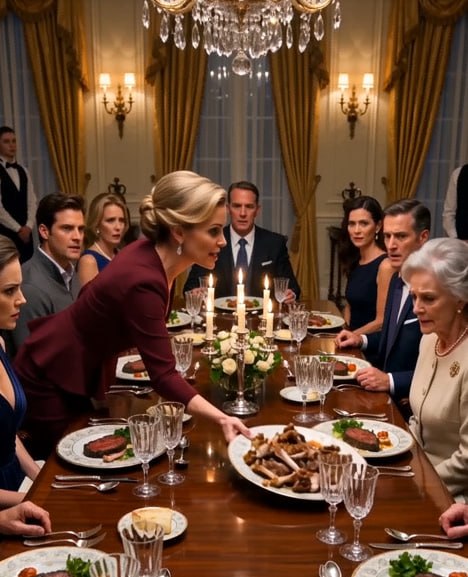
Ryan’s deposition lasted nine hours.
He admitted knowledge of Northstar.
He admitted benefiting financially.
He admitted discovering the forged mortgage release six months before dinner.
He admitted failing to correct disclosures to Halcyon immediately.
He admitted knowing the dinner was intended to pressure Mom.
He denied ordering thefts, burglary, intimidation, or the brick incident.
Evidence supported some of that denial.
Diane had often acted without telling him.
But Ryan stopped trying to separate himself from everything merely because he had not given every order.
“I benefited from not asking,” he said.
Hannah asked, “Did that make you responsible?”
Ryan looked at me before answering.
“Yes.”
That sentence did not heal me.
It mattered anyway.
The civil cases moved toward settlement because continued litigation threatened everyone except the lawyers.
The final agreement took six weeks.
Vale Crest acknowledged the validity of the Mercer loan subject to negotiated interest.
The company agreed to pay Mom $4.6 million in principal and accrued contractual amounts.
Her fifteen-percent warrant claim was settled for a combination of cash and a smaller minority equity position valued independently, giving her a total package worth approximately $18 million before taxes and fees.
Not thirty million.
Not a miraculous fortune.
A negotiated resolution to rights her family had possessed for seventeen years.
Vale Crest also paid Mom’s legal fees associated with the forged release.
Wycliff House remained subject to the mortgage until payment.
Diane could not keep it.
Her ownership structure had become financially untenable after lenders froze refinancing and Vale Crest demanded repayment of improperly charged personal expenses.
As part of a separate settlement with the company, Diane transferred Wycliff House into an escrow arrangement for sale.
Proceeds would satisfy valid secured claims and restitution obligations.
The house she had once ordered us to leave no longer belonged to her in any meaningful way.
My divorce took longer.
Ryan did not contest equitable distribution aggressively after his deposition.
The condo payment to Natalie was treated as a marital dissipation issue in settlement negotiations.
I received my share of marital property, deferred compensation accrued during the marriage, and proceeds from the sale of our apartment.
I did not receive punishment money.
New York divorce law was not a revenge machine.
That disappointed Daniel.
“It should be.”
Hannah replied, “Fortunately, you are not the legislature.”
Criminal consequences developed separately.
Diane was charged by state prosecutors with offenses connected to the forged mortgage instrument, falsified business records, and financial misconduct.
Her lawyers entered not-guilty pleas.
Natalie negotiated cooperation while facing her own professional and legal consequences.
Her law license proceedings would take time.
The former security worker who stole files was charged.
The brick incident remained unproven.
Ryan was not charged immediately.
Investigators continued reviewing his conduct.
He entered a civil cooperation agreement with Vale Crest, repaid disputed distributions, surrendered additional compensation, and resigned all management positions.
His reputation collapsed.
No court needed to order that.
One evening, near the end of the settlement process, he asked to see me.
We met in Central Park.
Public.
Neutral.
Autumn leaves covered the path.
Ryan looked older.
“I heard Eleanor settled.”
“Yes.”
“She deserved more.”
“That is not what settlement means.”
He smiled.
“You sound like Hannah.”
“Terrifying.”
We walked.
After several minutes he said, “I keep thinking about dinner.”
“So do I.”
“I saw Mom bring that plate.”
I stopped.
“What?”
He looked ashamed.
“I saw it before she put it down.”
“You told me you didn’t know.”
“I didn’t know beforehand.”
“But you saw.”
“Yes.”
“And you let her.”
“Yes.”
“Why?”
His eyes filled.
“Because stopping her would have meant choosing a side before I knew what happened.”
I stared at him.
“That was choosing a side.”
“I know now.”
There it was.
The central failure of Ryan Vale.
He thought refusing to intervene preserved neutrality.
But silence always gave power to whoever was already hurting someone.
“My mother spent my whole childhood teaching me that if I waited long enough, someone else would absorb the discomfort.”
“And I absorbed it.”
“Yes.”
“My mother absorbed it.”
“Yes.”
“Your father absorbed it.”
Ryan nodded.
“So did you, eventually.”
He looked toward the trees.
“I’m not asking forgiveness.”
“Good.”
“I just wanted you to know I finally understand why you slapped me back.”
I almost laughed.
“That is the least important thing you need to understand.”
He smiled sadly.
“I know.”
He took something from his coat.
Our wedding photograph.
I frowned.
“Why?”
“I found it while moving.”
We stood beneath a tree looking at two younger people smiling beside Wycliff’s rose garden.
I remembered believing that marrying Ryan meant entering a larger family.
In reality, I had entered a system.
He handed me the photograph.
“I don’t want it.”
“Neither do I.”
So we sat on a bench and tore it in half.
Not dramatically.
Not angrily.
Just enough.
I kept the half with my own face.
Ryan kept his.
Before leaving, he said, “My mother’s house closes next week.”
“I heard.”
“Do you know who bought it?”
“No.”
He looked almost amused.
“You should ask Eleanor.”
My stomach tightened.
“Why?”
Ryan walked backward two steps.
“For once, Claire, your mother is the one keeping a surprise.”
Then he turned away.
I called Mom immediately.
She answered laughing.
“Ryan told you.”
“What did you do?”
“Nothing reckless.”
“Mom.”
“Come to Wycliff on Sunday.”
“Why?”
“Dinner.”
I stopped walking.
“At Wycliff?”
“Yes.”
“Mom, who bought the house?”
She was silent long enough to torture me.
Then she said:
“Not me.”
“Who?”
“You’ll see.”
May you like



And she hung up.
For the first time in months, a secret made me smile.







