Chapter 20 - “I’m Calling Mom”
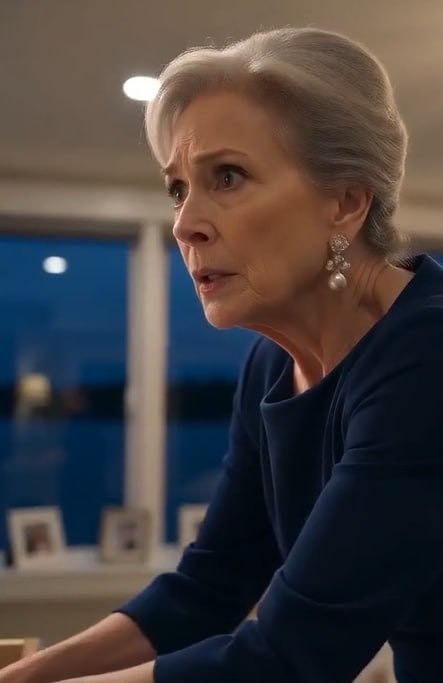
Six months later, the wardrobe had no doors.
Lily had insisted.
The heavy walnut doors were removed and stored in the basement.
Inside the old wardrobe, Rachel installed shelves.
Books.
Art supplies.
A yellow lamp.
A cushion covered in tiny blue flowers.
What had once been a dark wooden box became an open reading nook.
Rachel did not choose that symbolism.
Lily did.
That mattered.
Vale Development survived.
The independent investigation ultimately confirmed that Rachel had not authorized the fraudulent vendor payments.
The company recovered significant funds through restitution, frozen assets, settlements and insurance, though not every dollar returned.
Rachel remained CEO.
But she changed the company.
Outside directors became the majority.
Related-party transactions required independent approval.
Executive cybersecurity controls were rebuilt.
Family privilege was replaced by procedure wherever possible.
Some older board members complained the company no longer felt like a family business.
Rachel answered:
“That is exactly the point.”
Owen lived in a smaller rented house outside Richmond.
His visits with Lily remained supervised while therapy progressed.
Rachel did not poison Lily against him.
She did not excuse him either.
When Lily asked whether her father was a bad person, Rachel said:
“Your dad made very bad choices. He has to spend a long time proving what kind of person he wants to be now.”
The divorce became final nine months after the wardrobe incident.
Rachel kept the villa because it had always been her separate property.
Owen retained part of his retirement account and personal assets, reduced by obligations determined through the legal process.
There was no dramatic courtroom victory in the divorce.
Only signatures.
Pages.
A marriage reduced to clauses.
Rachel cried afterward in the parking garage.
Not because she wanted Owen back.
Because she remembered the man she thought she had married.
That man had existed too.
People were complicated enough to love you and betray you.
Rachel had learned that loving someone did not make their betrayal less real.
Margaret no longer called.
The court orders prevented contact with Lily, and Rachel had no desire for contact herself.
Once, Margaret sent a letter through her lawyer.
Rachel returned it unread.
Celia asked, “You’re not curious?”
Rachel smiled.
“I spent thirty-six years being curious about what my mother thought of me.”
“And now?”
“Now I know what I think of myself.”
That spring, Rachel invited Elena and Carlos to the villa for Lily’s eighth birthday.
No board members.
No corporate donors.
No press.
No elaborate planners.
Just family Rachel trusted.
Friends Lily loved.
A chocolate cake leaning slightly because Rachel had tried to decorate it herself.
Lily laughed when she saw it.
“It looks broken.”
“It’s artisanal.”
“It’s crooked.”
“Very expensive bakeries charge extra for that.”
“You made it.”
“Exactly. Priceless.”
Lily giggled.
The sound filled the house.
Rachel noticed how different laughter felt from silence.
After dinner, Lily ran upstairs to get her tablet.
Rachel remained outside on the terrace overlooking Smith Mountain Lake.
Sunlight turned the water gold.
Celia sat nearby with lemonade.
“You know,” Celia said, “the first time you called me, I thought this was going to be a child-custody case with a corporate complication.”
Rachel smiled.
“And?”
“It became a corporate fraud case with a custody war, a marriage collapse, witness intimidation, forged documents and the most dysfunctional board I’ve seen in ten years.”
“That sounds expensive.”
“It was.”
Rachel laughed.
Then her expression softened.
“I hit her.”
Celia knew immediately who she meant.
“You did.”
“I still think about it.”
“Good.”
Rachel looked at her.
Celia continued.
“People who never examine their mistakes repeat them.”
Rachel watched the lake.
“I was so angry.”
“You had reason to be angry.”
“But anger wasn’t permission.”
“No.”
Rachel nodded.
That distinction had become important.
The truth did not require Rachel to pretend she had behaved perfectly.
She had worked too much.
Missed things.
Trusted Owen blindly.
Ignored Margaret’s manipulations for years because confrontation was exhausting.
And in one terrible moment, she had responded to violence with violence.
Margaret had tried to use those flaws as proof that every accusation was true.
Rachel had learned something different.
A person could be imperfect and still be innocent of the lies told about them.
Accountability was not surrender.
It was power.
Lily appeared in the doorway holding her tablet.
“Mom!”
Rachel turned.
“What?”
Lily grinned.
“I’m calling Mom!”
Rachel froze.
The exact words.
The sentence that had started everything.
For a fraction of a second she saw seven-year-old Lily again.
Reaching for the tablet.
Margaret’s hand grabbing it.
The slap.
The wardrobe.
The darkness.
Then the present returned.
Eight-year-old Lily stood in sunlight.
Safe.
Smiling.
Holding the same tablet.
Rachel’s eyes filled.
“You’re looking right at me.”
“I know.”
“Then why are you calling me?”
“Because Elena says the cake is falling apart and you need to come fix it.”
Rachel laughed through tears.
Her tablet rang.
Lily had actually video-called her from fifteen feet away.
Rachel answered.
Lily’s face appeared on the screen.
“Hello?”
Rachel said, “Hello.”
“Are you my mom?”
“I believe so.”
“Can you come inside?”
“Why?”
“Emergency.”
“What kind?”
“Cake emergency.”
Rachel stood.
Lily lowered the tablet.
“Mom?”
Rachel walked toward her.
“Yes?”
“Can I always call you?”
The humor disappeared.
Rachel knelt.
Lily looked down at the tablet.
“Even when you’re busy?”
Rachel thought of missed pickups.
Late meetings.
Board votes.
Everything Margaret had twisted because somewhere beneath the lies, Rachel had given work too many pieces of her life.
She did not promise what no human could deliver.
“I might not always answer the very second you call.”
Lily listened.
“But I will always come back to you.”
Lily nodded.
“And if somebody tells me not to call?”
Rachel looked into her daughter’s eyes.
“Call louder.”
Lily smiled.
Then she threw her arms around Rachel.
They went inside together.
Upstairs, the old wardrobe stood open.
No doors.
No darkness.
No place for anyone to hide a frightened child.
On one shelf sat a framed copy of Lily’s old note.
Not the seven lies Margaret had forced her to memorize.
Only the sentence Lily had written herself beneath them:
I don’t want to say these because they are lies.
Rachel had asked Lily whether she wanted to throw it away.
Lily had said no.
“Why keep it?” Rachel asked.
“Because that was the first time I told the truth when Grandma wasn’t listening.”
Now the note meant something different.
It was not evidence anymore.
It was a beginning.
Downstairs, Lily called again.
“Mom!”
Rachel closed the bedroom door.
Not the wardrobe.
Never the wardrobe.
The bedroom.
And this time there was no panic in Lily’s voice.
Only impatience about a collapsing birthday cake.
Rachel smiled.
“I’m coming.”
She walked downstairs.
Toward her daughter.
Toward laughter.
Toward a life no longer controlled by secrets hidden in drawers, forged signatures, private debts, false statements or the fear of what Margaret might do next.
The tablet had once recorded the moment Lily’s voice was taken from her.
Now Lily carried it freely.
The company no longer belonged to Margaret’s will.
Rachel’s marriage no longer belonged to Owen’s lies.
The villa no longer belonged to the memory of what happened inside one dark wardrobe.
And Lily no longer whispered when she wanted her mother.
She called.
Rachel answered.
Every time she could.
May you like



And whenever she could not, she came back.
THE END







