Chapter 16 - The Truth Emma Chose
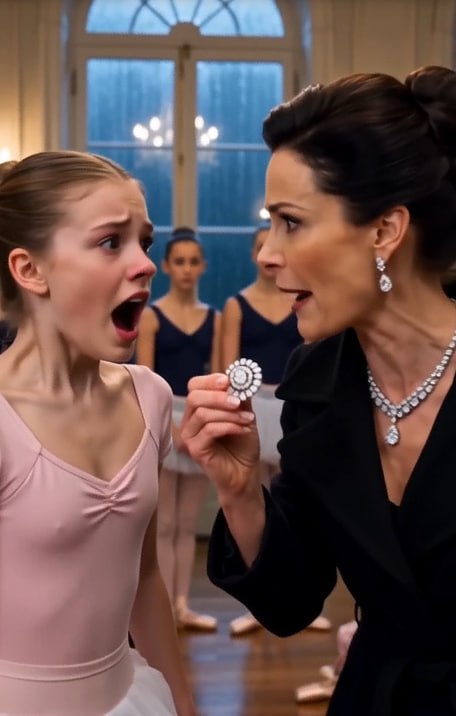
Emma swore to tell the truth.
Her voice was quiet.
Steady.
The prosecutor began gently.
“Did you take something from the Bellrose cabinet?”
“Yes.”
Michael saw Victoria’s attorney look pleased.
“What?”
“A photocopied page.”
“Why?”
“My name was on it.”
“Did you know you were allowed to take it?”
“No.”
“Were you?”
“No.”
“Why didn’t you return it when Victoria asked?”
Emma looked toward her aunt.
“Because she scared me.”
“What did she say?”
“That if I took family papers, people might think I took other things.”
The courtroom went still.
“What happened the next day?”
“She dumped out my ballet bag.”
“And what fell out?”
“My grandmother’s diamond brooch.”
“Did you put it there?”
“No.”
“Had you ever possessed it before?”
“No.”
“Did Victoria accuse you?”
“Yes.”
“What did you say?”
“That she put it there.”
“Did you know that?”
Emma paused.
“No.”
Michael’s eyes filled.
“But I thought she did.”
“Why?”
“Because of what she said the day before.”
The prosecutor nodded.
“When did you know?”
“When we watched the camera.”
Simple.
No embellishment.
Then cross-examination.
Victoria’s lawyer approached carefully.
“Emma, you loved your aunt once, correct?”
“Yes.”
“You visited her home?”
“Yes.”
“She bought you gifts?”
“Yes.”
“Took you to performances?”
“Yes.”
“Supported your ballet?”
“Yes.”
The attorney glanced at the jury.
“Yet you stole a confidential family document from a cabinet.”
“I took it.”
“Without permission.”
“Yes.”
“That is stealing, isn’t it?”
The prosecutor objected to the legal characterization.
The judge sustained.
The attorney rephrased.
“You knew it did not belong to you?”
“Yes.”
“And lied to Victoria when she asked if you still had it?”
“Yes.”
Michael held his breath.
Emma did not run from anything.
The lawyer continued.
“So your aunt had reason to worry about your behavior.”
Emma thought.
“She had reason to tell my dad.”
Several jurors looked toward her.
“Instead?”
Emma continued before the attorney could stop her.
“She put a brooch in my bag.”
The lawyer said, “Please answer only my questions.”
“Okay.”
“Your father was angry at Victoria before the video played?”
“Yes.”
“Your father has told you Victoria is dangerous?”
“After.”
“Your father wants Victoria punished?”
“I think so.”
“Has he discussed this case with you?”
“Yes.”
“Many times?”
“Yes.”
“So your understanding is influenced by your father.”
Emma frowned.
“My understanding of the video is influenced by watching it.”
The courtroom shifted.
Michael almost smiled.
The attorney moved on.
“You knew there were family arguments over money?”
“A little.”
“You knew your father could lose control of the company?”
“Later.”
“You want him to keep it?”
“I want him to be my dad.”
Silence.
The attorney stopped.
No further questions.
Victoria watched Emma step down.
She was crying.
Emma did not look at her again.
That testimony made the final confrontation unavoidable.
The child Victoria tried to brand dishonest had admitted her own mistake under oath.
It made Victoria’s deception look even more deliberate.
The defense could not argue Emma was presenting herself as perfect.
She wasn’t.
Neither was Michael.
Neither was Laura.
Truth survived anyway.
After court Michael crouched beside Emma.
“You okay?”
“No.”
“Want to go home?”
“No.”
“What do you want?”
“Pancakes.”
He laughed.
“Again?”
“It’s tradition now.”
They went.
Meanwhile, the corporate case tightened further.
Digital experts authenticated Victoria’s tablet notes.
Caroline Voss testified.
She admitted failing to verify Samuel’s signature before granting override access.
The defense attacked her competence.
Caroline said:
“I was negligent. That does not make the signature real.”
Daniel Ross traced Merriton payments.
Rachel Dean testified about Phase Two and emergency guardianship.
Victoria’s attorney destroyed her credibility for nearly three hours.
“You lied?”
“Yes.”
“You threatened Maya?”
“Yes.”
“You helped Victoria?”
“Yes.”
“You want a lighter sentence?”
“Yes.”
“Then you’ll say whatever prosecutors need.”
Rachel’s voice trembled.
“No.”
“Why should anyone believe you?”
“They shouldn’t believe me because I’m good.”
She looked at the evidence screen.
“They should believe the emails I sent, the documents I printed, and the instructions Victoria wrote.”
The prosecution’s strength was cumulative.
No perfect witness.
Many imperfect witnesses.
Documents.
Money.
Cameras.
Messages.
The defense called its own experts.
They argued some corporate decisions could be interpreted as estate planning rather than theft.
They attacked valuations.
They separated Victoria from Richard’s conduct.
For several days, the trial felt uncertain.
Then Victoria made the choice her attorneys feared.
She insisted on testifying.
Michael learned the night before.
Jonathan said:
“She thinks she can explain everything.”
Michael looked toward the courthouse.
“That has always been her problem.”
May you like



The next morning Victoria took the oath.
And for the first time, the woman who had controlled rooms with money, status, humiliation, and fear had to answer questions she could not stop.







