Chapter 3 - The Night They Planned to Burn Sterling House
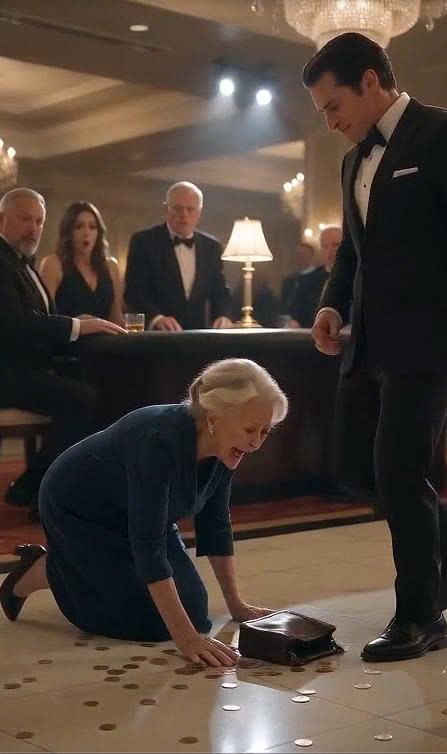
Claire locked down the west-service elevators.
Grant Mercer was located before he reached the parking garage.
He had no key on him.
He denied ever taking one.
Charles called the security footage “ambiguous.”
Agnes called him a liar.
Edward told everyone to sit down.
Then he looked at Agnes.
“Start at the beginning.”
She did.
In November 1979, Agnes Rivera had been twenty-seven years old.
She had a three-year-old daughter, a husband working irregular construction jobs, and exactly fourteen dollars in her checking account when Arthur Sterling hired her as a night cage clerk.
The Sterling House had been open less than two months.
“The place wasn’t like this,” Agnes said.
“No marble floors. No towers. One gaming room, two restaurants, six hundred hotel rooms and construction dust everywhere.”
Raymond Lane handled purchasing and construction accounting.
Walter Sterling handled outside financing.
Arthur controlled operations.
“They fought constantly.”
“About what?” Claire asked.
“Money.”
Agnes remembered Raymond arriving at the cage office one evening carrying invoices.
“He said subcontractor payments didn’t match work completed. Walter had approved them.”
Edward listened without interrupting.
“Raymond thought Walter was stealing?”
“He knew.”
“How?”
“He found a second set of books.”
Victor leaned forward.
“What did he do?”
“He told Arthur.”
“And?”
“Arthur said they would handle it privately.”
Agnes smiled sadly.
“That was the first mistake.”
Two nights later, Raymond found several containers hidden in the west-service corridor near the accounting archive.
He recognized enough to understand what they meant.
“He came running into the cage.”
Agnes could still see him.
Sweating.
Terrified.
“Walter intends to burn the records,” Raymond had told her.
Raymond went to find Arthur.
Agnes called building security.
The security supervisor told her not to interfere.
Walter controlled him.
So Agnes pulled the fire alarm herself.
Guests evacuated.
The fire began anyway, but earlier than intended and smaller than planned.
Firefighters contained it to a service-storage area.
The official cause became an electrical fault.
“No one died,” Agnes said.
Victor whispered, “And Raymond?”
“Arrested the next morning.”
He stared.
“For arson?”
“For financial fraud.”
Agnes looked at him.
“Walter moved the missing money into accounts Raymond had authorization over. Arthur signed a statement saying Raymond controlled the transactions.”
Victor’s hands clenched.
“Why?”
“Because Walter threatened to expose where Arthur got his last round of financing.”
Edward’s face tightened.
“What financing?”
Agnes hesitated.
This was the part Arthur had feared most.
“Your father borrowed money from people Nevada regulators would never have approved.”
Edward did not blink.
“Organized crime?”
“I never knew names.”
“Did Raymond?”
“Yes.”
“And Walter?”
“Yes.”
The first Sterling House had been undercapitalized.
Banks refused the final construction loan.
Arthur found private money.
It saved the project.
It also gave Walter leverage.
“If Arthur exposed Walter’s embezzlement and arson plot, Walter would tell regulators about the financing,” Agnes said.
“And the casino could lose its license.”
Claire nodded slowly.
“In 1979? Very possible.”
Edward stood and walked toward the window.
His father had built Sterling Crown on a story of stubborn independence.
No syndicates.
No dirty money.
No hidden partners.
Now every word seemed less solid.
“What happened to Raymond?” Victor asked.
“Arthur offered him a choice.”
Agnes looked at him.
“Sign away his twenty-five percent interest for one hundred fifty thousand dollars and leave Nevada.”
Victor went white.
“Or?”
“Arthur would support criminal charges.”
Victor pushed back from the table.
“My grandfather was worth hundreds of millions if he kept those shares.”
“Eventually.”
“And Arthur stole them.”
Agnes looked at Edward.
“Yes.”
Edward’s face closed.
Victor turned toward him.
“Say something.”
“What would you like me to say?”
“That your father was a thief.”
Edward’s eyes hardened.
“Do not ask me to reach a verdict from one seventy-four-year-old note.”
Agnes flinched.
Claire noticed.
Edward noticed too.
He regretted the phrasing immediately.
But the damage was done.
Agnes stood.
“You sound exactly like him.”
Edward’s expression changed.
“My father?”
“The night after the fire.”
She collected one of her photographs from Claire’s evidence bag.
It showed four people standing outside the original Sterling House entrance.
Arthur.
Walter.
Raymond.
And Agnes.
Arthur’s arm was around Raymond’s shoulders.
All four were smiling.
“This was taken twelve days before your father destroyed Raymond’s life.”
Edward studied it.
Agnes continued.
“Arthur gave me the founder’s token after Raymond signed the settlement.”
“Why?”
“Because he couldn’t live with what he had done.”
“Then why not confess?”
“Because regret and courage are different things.”
The sentence silenced Edward.
Victor looked at the photograph.
“My grandfather.”
“You have his eyes,” Agnes said.
Victor’s anger flickered.
He had not expected tenderness.
Agnes continued.
“Arthur put the note inside the token. He gave me a brass key and told me Vault C-17 contained the original books, Raymond’s letters and proof of Walter’s payments.”
Claire asked, “Why keep the key forty-seven years?”
Agnes looked down.
“Because I was afraid.”
Victor scoffed.
She faced him.
“Yes. Afraid.”
“Of who?”
“Walter.”
“Walter died twenty-eight years ago.”
“And Arthur lived another sixteen after that.”
Victor went silent.
“You could have gone public.”
“Yes.”
“You could have saved my family.”
“Yes.”
Each answer hurt more because Agnes did not defend herself.
Finally she said, “I chose silence.”
Victor looked away.
Agnes reached for the evidence bag containing her keys.
“Now someone else chose not to.”
Claire’s radio crackled.
The old west-service access door had been opened.
Not with a badge.
With a mechanical key.
Agnes’s missing key.
Edward turned toward Charles.
Charles stared back.
Neither spoke.
May you like



Then Claire received another message.
“Vault C-17 has been opened.”







