Chapter 14 - The Thing Mrs. Vance Believed
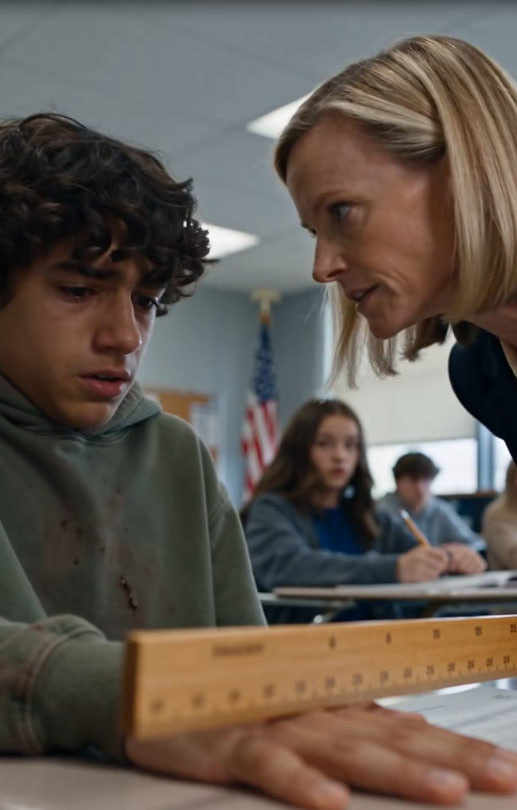
Mrs. Vance requested a hearing.
Under district rules, she had the right to respond before final employment action.
Jonah did not attend.
Neither did Elena.
But the investigator’s summary later described what happened.
Mrs. Vance denied class prejudice.
She said she believed in “personal responsibility.”
She cited students from poor families whom she had helped.
She submitted receipts for winter coats, field-trip payments and classroom supplies she had purchased anonymously.
Then Patrick Lyle asked about her email describing “unstable or custodial households.”
Mrs. Vance did not deny writing it.
“That language was unfortunate.”
“What did you mean?”
“That some students lacked academic support at home.”
“Why did you use the word custodial?”
She hesitated.
“Because that was the context of a particular student.”
“Did you believe custodial employment correlated with inadequate home support?”
“No.”
“Then why identify it?”
Mrs. Vance became defensive.
“You are reducing a thirty-year career to vocabulary.”
Patrick placed Jonah’s incident report on the table.
“Did Jonah threaten you?”
“I perceived his behavior as escalating.”
“Did you use the word threatening before speaking with Principal Harris?”
“I don’t recall.”
“The first saved version says defiant. The second says agitated. The third says threatening.”
“I revised for accuracy.”
“After Harris edited the document.”
“I spoke with him.”
“Did he suggest describing Jonah as threatening?”
Mrs. Vance’s attorney objected to the phrasing.
Patrick reworded.
“How did that word enter the report?”
Mrs. Vance looked at the page.
For a long time, she said nothing.
Then:
“Calvin said the ruler could be interpreted badly.”
Patrick waited.
“He asked whether Jonah’s behavior had made me feel unsafe.”
“Had it?”
Mrs. Vance stared at the table.
“No.”
That single answer changed everything.
Not because she confessed to an elaborate conspiracy.
Because she finally admitted the simplest lie.
Jonah had not threatened her.
The investigators continued.
“Why did you tell him his mother cleaned beneath his desk?”
Mrs. Vance rubbed her forehead.
“I was angry.”
“Why that particular insult?”
“It wasn’t an insult.”
Patrick said nothing.
Mrs. Vance corrected herself.
“I didn’t intend it to be.”
“Then what did you intend?”
“To make him understand sacrifice.”
“Whose?”
“His mother’s.”
“Did his unfinished homework indicate he did not respect her sacrifice?”
Mrs. Vance looked irritated.
“You weren’t in the classroom all year.”
“No. I’m asking about that day.”
Her attorney leaned toward her.
Mrs. Vance ignored him.
“I see students waste opportunities constantly.”
Patrick waited.
“Students whose parents work themselves sick to give them something better.”
“Like Jonah?”
“Yes.”
“So you believed humiliation might motivate him.”
She exhaled.
“Yes.”
“And invoking his mother’s job was part of that?”
Silence.
Then:
“Yes.”
The investigator’s final question was simple.
“Would you have spoken the same way if Jonah’s mother were a physician?”
Mrs. Vance opened her mouth.
Nothing came out.
For the first time in months, Jonah did not need a photograph to know the answer.
The written transcript reached Elena through the district process three days later.
She read it at the kitchen table.
Jonah sat opposite.
Mrs. Vance had not said she hated cleaners.
She had not admitted thinking poor children were inferior.
The truth was subtler.
And somehow uglier.
She believed hardship gave her permission to shame students for not appearing sufficiently grateful.
Jonah closed the transcript.
“She thought she was helping.”
Elena nodded.
“That doesn’t make it okay.”
“I know.”
“It may explain why she kept doing it.”
He looked at his mother.
“What if she really did help kids too?”
“She probably did.”
“Does that matter?”
“Yes.”
Jonah frowned.
Elena continued.
“It matters because justice isn’t pretending everything about somebody is evil.”
“Then what is it?”
“Making them answer for the harm they actually caused.”
That evening, Sophie came over with pizza.
They ate on the living-room floor.
For an hour they did not discuss investigations.
They argued about movies.
Sophie cheated at cards.
Jonah accused her of having “an ethical framework with flexible borders.”
She threw a napkin at him.
Then Elena’s phone rang.
Lorraine Kim.
Elena answered.
Her expression changed slowly.
“When?”
She listened.
“Yes.”
Another pause.
“I understand.”
She hung up.
Jonah sat straighter.
“What?”
“The findings are finished.”
Sophie stopped eating.
“When do they release them?”
“Friday.”
Jonah looked at the calendar.
Two days.
He thought he would feel relief.
Instead he felt terror.
Because for months the investigation had given everyone something to wait for.
On Friday, there would be an answer.
And answers had consequences.
Later that night Elena checked her email.
There was one message from Curtis.
Whatever happens Friday, your Briarwood assignment remains yours if you want it.
Beneath it, another email arrived.
Sender:
Marian Vance.
Subject:
Jonah.
Elena stared.
Jonah was beside her.
“Is that her?”
“Yes.”
“Open it.”
Elena hesitated.
Then clicked.
The message contained four lines.
I know the findings are coming. Before they do, I would like an opportunity to apologize to Jonah directly. I understand if he refuses. I will accept whatever conditions you require.
Jonah read it.
“What do you want to do?” Elena asked.
He looked at the message for a long time.
Then closed the laptop.
May you like



“I want to hear whether she can say the words without hiding behind ‘if.’”
---







