Chapter 19 - The Last Accounting
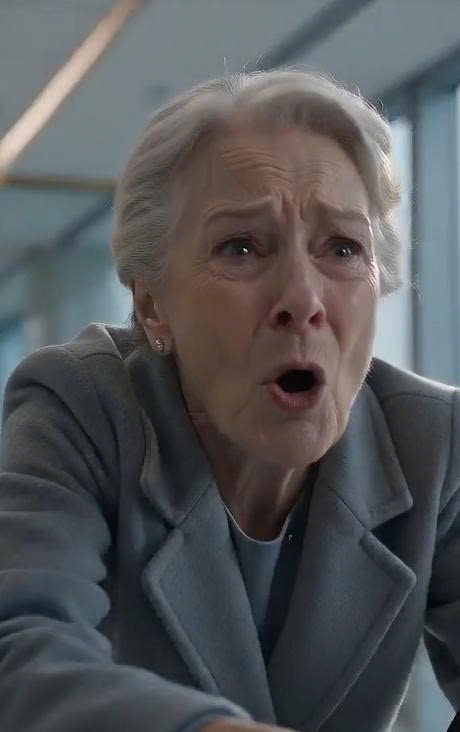
The final accounting report took nearly three years.
Not because anyone delayed deliberately.
Because forty years of mergers, tax entities, trusts, dividends, securities, and reinvestments were genuinely complex.
The number everyone wanted—what was Thomas’s 37% “really worth”?—never had one perfect answer.
Markets changed.
Companies merged.
Capital was added.
Other shareholders diluted.
Risk mattered.
So the final report did something Evelyn appreciated.
It gave ranges.
Explained assumptions.
Admitted uncertainty.
No magic.
No myth.
Thomas’s founder interest had been valuable.
It had been wrongfully transferred.
The Hale family and successor institutions benefited.
The settlement fell within a reasonable reconstruction of traced and consequential value.
Not perfect justice.
Defensible justice.
Evelyn accepted that.
She was seventy-four now.
Her granddaughter Emma had started law school.
David bought the small machine shop he had once wanted to buy decades earlier.
Susan created a scholarship for widows returning to education.
The family became wealthy.
That created new problems.
Requests.
Investment pitches.
Distant relatives.
People who suddenly remembered Thomas.
Evelyn hired advisers.
Then surprised them by asking every adviser one question.
“If I walked in wearing my old gray coat, would you still explain this to me?”
Some laughed.
She did not hire those.
Anna became Hale National’s chief compliance officer.
At thirty-two, she was younger than many people reporting to her.
Her first major policy initiative required documented escalation when customers brought unusual historical securities or ownership papers.
No shredders in client-facing offices.
Jason joked when he heard.
“My legacy.”
Anna replied, “Aim higher.”
Victoria served her sentence and later disappeared from public life.
She wrote Evelyn once.
Not an apology.
A letter.
I understand now why you insisted on the word fraud. “Irregularity” would have allowed me to keep imagining nobody chose it.
Evelyn read the sentence.
Then folded the letter away.
She did not answer immediately.
Months later, she wrote back.
Understanding is useful if it changes the next choice.
Nothing more.
Robert visited the Thomas Moore Center on the third anniversary.
The reconstructed certificate hung at eye level.
Children from a high-school finance program stood nearby.
A guide explained:
“This certificate was nearly destroyed because an employee assumed the person holding it had no importance.”
Robert listened.
A student asked:
“Was the paper actually worth six hundred million dollars?”
The guide smiled.
“No.”
Evelyn, standing nearby, added:
“The paper was evidence.”
Everyone turned.
“The value was in the rights it described.”
The student frowned.
“What’s the difference?”
Evelyn walked closer.
“A document is not money.”
She pointed at the certificate.
“It can prove who has a right to money.”
Robert watched.
“And sometimes powerful people hope you confuse the two.”
The students nodded.
One asked:
“Why didn’t your husband sue earlier?”
“He tried.”
“Why did he stop?”
“Fear. Money. Shame. Lawyers. Family.”
“Did he give up?”
Evelyn looked at the brass key displayed beneath the certificate.
“No.”
“He changed the way he fought.”
After the group left, Robert stood beside her.
“You’re good at this.”
“I’m old.”
“Not the same thing.”
“Sometimes better.”
He smiled.
Then took an envelope from his coat.
“What?”
“My father’s final letter.”
Evelyn frowned.
“To whom?”
“Thomas.”
She stared.
“Where did you find it?”
“In Rose’s papers.”
“Unsent?”
“Yes.”
Robert handed it to her.
Charles had written shortly before his death.
Thomas,
I told myself taking your shares saved the bank.
Evelyn stopped.
That sentence again.
Crisis.
Necessity.
Protection.
Then:
The truth is I could not tolerate building something I did not control.
Her eyes filled.
I made your caution look like weakness because I needed my aggression to look like courage.
Robert looked away.
Charles continued.
I do not expect forgiveness.
I have instructed Robert to settle with you after I am gone.
If he does not, then I have taught him too well.
Evelyn stared at the final sentence.
Robert’s face broke.
“He did.”
“Yes.”
“I taught Victoria too.”
“Yes.”
The generational chain was finally visible.
Not genetic.
Not inevitable.
Learned.
Robert whispered, “Do you hate him?”
“Charles?”
“Yes.”
Evelyn thought.
“No.”
Robert looked surprised.
“I hate what he chose.”
She handed the letter back.
“That is enough.”
Before Robert left, he stood before the reconstructed certificate.
The shredded gaps were still visible.
“No one restored the missing pieces.”
“They couldn’t.”
“It looks damaged.”
“It is.”
“Wouldn’t a reproduction look cleaner?”
Evelyn smiled.
“That would miss the point.”
The damage belonged in the history too.
That night, Evelyn found the old gray coat in her closet.
She had kept it.
She put it on.
Still fit.
Then placed the brass key in the pocket.
May you like



The next morning was the anniversary of Thomas’s death.
She had somewhere to go.







