Chapter 17 - The Money Comes Back
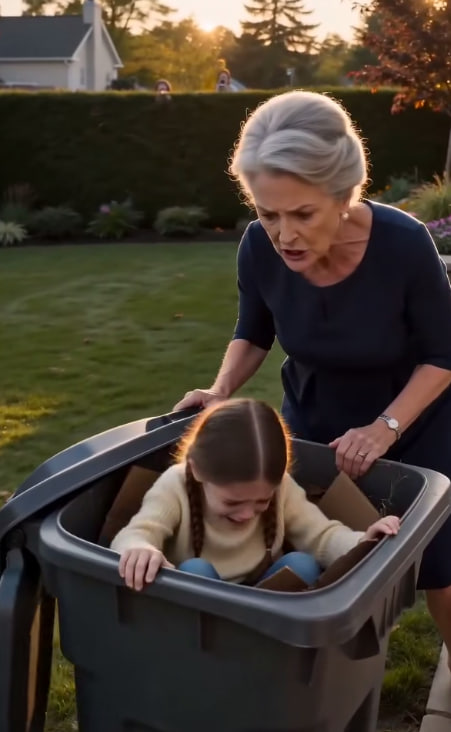
The escrow bank froze the $2.4 million transfer after receiving the original certification and court order.
Mark’s final escape route collapsed.
Investigators traced additional accounts.
The recovery total climbed.
$2.4 million.
Then $1.1 million.
Then another $860,000.
Margaret’s surrendered lake house went under contract.
Robert agreed to disgorge conflicted fees.
Insurance carriers negotiated coverage for some fiduciary losses.
Reeves Development agreed to a ten-year repayment schedule to Lily’s trust and two other family subtrusts.
No miracle.
No sudden fortune.
Just money returning slowly to where it should have been.
Daniel attended the restructuring board meeting as a shareholder, not CEO.
Samuel Drake presented the plan.
Three projects would be sold.
Executive bonuses suspended.
The company workforce would shrink by approximately ten percent through attrition, voluntary packages, and limited layoffs.
Daniel hated that people still paid for family wrongdoing.
But Anna had been right.
Truth did not require destroying everything.
It required accepting that the company might become smaller.
Samuel asked:
“Do you want to return as CEO after the review?”
Daniel looked around.
The special committee had found no evidence he knowingly participated in fraud.
It had found serious governance failures.
His habit of signing without review appeared repeatedly.
Daniel answered:
“No.”
The board looked surprised.
“Why?”
“Because the company needs a leader who wasn’t raised to confuse family trust with corporate controls.”
Samuel studied him.
“What will you do?”
“I’ll remain a shareholder. Nothing more for now.”
For the first time since Richard’s death, Daniel walked out of headquarters without feeling he had abandoned something.
He felt free.
Margaret’s criminal case moved toward resolution.
Her lawyers negotiated a plea.
Daniel did not participate.
He refused to ask prosecutors for mercy or severity.
Rebecca approved.
“Consequences aren’t yours to design.”
He remembered telling Lily something similar.
Robert pleaded guilty to conspiracy and wire-fraud-related offenses.
His law license was suspended immediately and expected to be lost permanently.
Mark fought longer.
Recovered emails ended that.
One message to Robert read:
M thinks she owns the system. She doesn’t understand the person who controls records controls everyone.
Mark had used Margaret’s fraud to steal independently.
His eventual plea included wire fraud, obstruction, and conspiracy.
Helen Parker became the unexpected public witness.
Reporters wanted to turn her into a hero.
She refused interviews.
When Daniel thanked her again, she shook her head.
“I should have spoken sooner.”
“You tried.”
“Once.”
“You kept recording.”
Helen looked toward Lily playing in the garden.
“I kept waiting for certainty.”
Daniel understood.
“That’s what I did too.”
The criminal prosecutor asked Helen why she began filming.
Her answer became important:
“Because adults can explain away a child’s fear. A camera cannot tell you why something happened, but it can stop someone from pretending it didn’t.”
Daniel saved that sentence.
Margaret’s plea hearing came six weeks later.
She admitted the trust fraud.
The related-party transactions.
The concealment.
The destruction of records.
She also acknowledged the child-abuse incident as part of a separate state resolution involving probation conditions, mandatory treatment, and no unsupervised contact with Lily.
Federal sentencing would come later.
Outside court, Daniel’s attorney handed him a letter.
Margaret had written it to Lily.
Daniel read it first.
Lily,
I told you no one would believe you because I needed you to stop believing yourself. That was cruel.
You were telling the truth.
Your mother was telling the truth.
Willow did belong to your trust.
The papers mattered.
But none of that matters as much as this: I had no right to frighten you.
Daniel stopped reading.
His eyes burned.
The final sentence:
I hope the adults around you teach you something I failed to learn—that love never requires silence.
Dr. Brooks later approved sharing a shortened version.
Lily listened.
Then asked:
“Do I have to write back?”
“No.”
“Can I?”
“If you want.”
She thought.
“Not yet.”
May you like



Daniel nodded.
Not yet was a complete answer.







