Chapter 19 - What the Evidence Cost
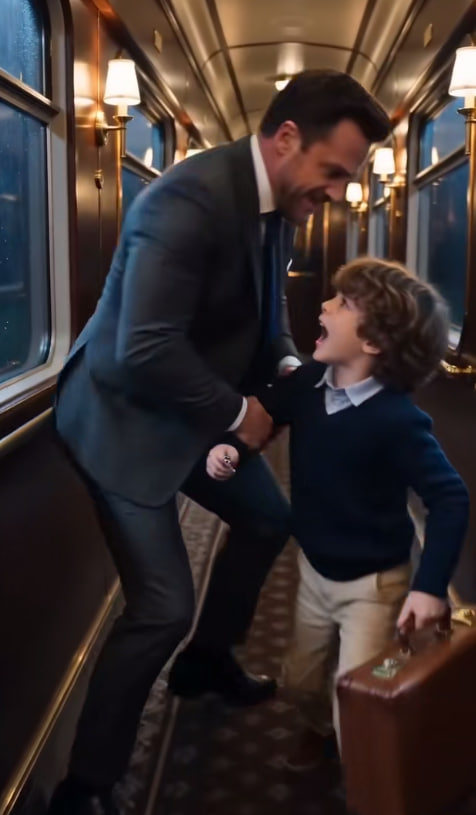
The legal aftermath lasted more than a year.
Richard pleaded guilty to offenses related to financial fraud and unlawful confinement while the child-assault charge was resolved as part of the broader criminal disposition.
Martin fought longer.
The Ravelin ledger.
Bank records.
Encrypted drive.
Train footage.
Corporate-seal kit.
Payment agreements.
Margaret’s photographs.
Richard’s cooperation.
Diane Foster’s later testimony.
Together they created a case too large to dismiss as a family feud.
Martin ultimately entered a plea after prosecutors disclosed additional bank evidence.
Diane lost her position at Stanton and faced separate consequences.
Stanton National paid a substantial regulatory and civil settlement without admitting every allegation Claire initially made.
Continental denied knowledge of forged documents, replaced executives involved in the side-compensation agreement, and abandoned Whitmore permanently.
Whitmore Rail recovered millions.
Not all twenty-two.
Some money had been spent.
Some moved through insolvent entities.
Some became years of litigation.
Claire learned restitution was rarely a magical rewind.
Richard’s eight-percent share purchase became the subject of civil litigation because funds traceable to fraudulent transfers had financed part of the acquisition.
A settlement eventually returned most of the block to a company-controlled treasury account, with remaining proceeds directed toward restitution and creditor claims.
Claire did not receive a personal windfall.
She did not want one.
Margaret kept her twelve percent.
Peter restructured his debts through an independent process.
Claire refused to simply pay them.
Margaret respected her more for that than either expected.
The two women remained difficult with each other.
Families did not become harmonious merely because an enemy disappeared.
Bennett offered to resign.
Claire refused.
Then reconsidered.
“You don’t get to stay merely because Dad trusted you.”
Bennett nodded.
“What do you want?”
“Independent review of everything your firm handles for us.”
He agreed.
“If they recommend replacing you?”
“I’ll leave.”
They did not.
But Bennett lost his automatic place as family oracle.
He became what he should always have been.
Counsel.
Maya testified during the criminal proceedings.
She admitted she had hesitated before helping Claire.
That admission strengthened rather than weakened her credibility.
Whitmore Rail later promoted her into executive passenger-safety training.
Maya accepted only after Claire promised the job was not a reward for loyalty.
“I want it because I’m qualified.”
“You are.”
“And if I tell you something you don’t like?”
“I’m working on that.”
Noah began therapy.
He hated it for two months.
Then started liking the therapist’s dog.
Claire attended sessions when invited.
One afternoon Noah asked her:
“Why didn’t you know Richard was bad?”
Claire did not say because Richard was clever.
That was true.
Incomplete.
“Because I loved him.”
Noah frowned.
“Love makes you not see?”
“Sometimes.”
“That’s stupid.”
“Yes.”
He smiled.
She continued.
“And because when you complained about him, I sometimes decided I understood better than you did.”
Noah looked at his shoes.
“I said he scared me.”
“I know.”
“You said families take time.”
Claire’s throat tightened.
“I remember.”
“Were you wrong?”
“Yes.”
He looked at her.
Claire did not add qualifications.
No explanation.
No “but.”
“Yes.”
Noah nodded.
“Okay.”
She almost cried at the simplicity.
Whitmore Rail changed too.
The board separated chair and CEO roles permanently.
Samuel Reed remained CEO.
Claire did not reclaim the position.
At first, everyone assumed she eventually would.
Then she announced she would stay as nonexecutive chair after a governance transition.
Reporters called it surrender.
Claire called it learning.
She still controlled her shares.
But she stopped treating control as the same thing as competence.
Noah’s trust gained an additional independent protector.
No single family member could control its voting decisions during disputes.
Margaret supported the change.
Even though it reduced family influence.
One rainy evening, Claire and Noah boarded The Whitmore for the first time since the night Richard locked her away.
Noah stopped in the corridor.
His little brown suitcase stood beside him.
The scuffed leather still bore the mark where it had struck the brass trim after Richard kicked it.
Claire had offered to replace it.
Noah refused.
He touched the scratch.
“Can we go home?”
“We can.”
He looked toward Compartment Seven.
The door stood open.
Claire did not ask him to enter.
They walked past.
Then Noah stopped.
He removed the silver key from around his neck.
“Mom?”
“Yes?”
“Does this still open it?”
“Yes.”
He considered the key.
Then the open door.
“We don’t need it.”
Claire smiled.
“No.”
May you like



They did not.
For the first time, the thing that had once saved them was no longer the only way out.







