Chapter 12 - Charles Whitmore’s Signature
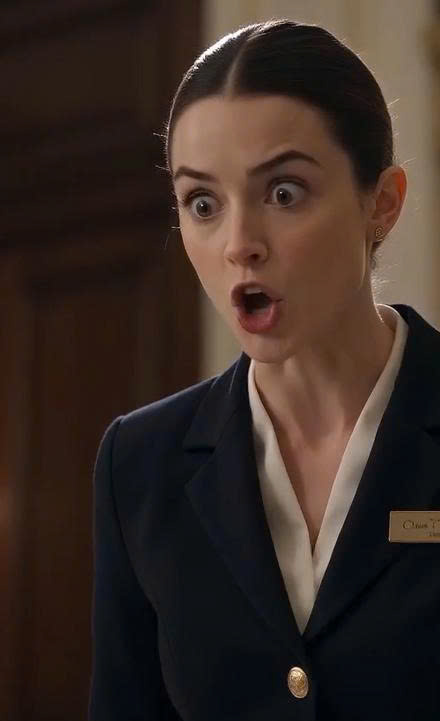
Sophie found the document at 2:14 in the morning.
She wished she hadn’t.
Whitmore Hospitality’s 1996 estate archive contained twenty-three boxes scanned badly during a 2011 digitization project.
One file was indexed under TAX MISC.
Inside was a board certification signed October 24, 1996.
Charles Whitmore.
Edward Whitmore.
Thomas Morgan.
The certification stated:
To the best knowledge of the undersigned, Richard A. Whitmore left no undisclosed child or beneficiary holding an enforceable interest in Whitmore Hospitality Holdings.
Sophie stared.
Charles had signed it six days after Lucy disappeared.
Three days after Richard died.
She called him.
He answered immediately.
“What happened?”
“Come to the library.”
When he arrived, she placed the certification in front of him.
Charles read it.
His face changed.
“I signed this.”
“Yes.”
“I remember.”
“Good. I’m tired of memory returning only after evidence appears.”
He sat.
Sophie remained standing.
“You knew Lucy existed.”
“Yes.”
“You knew Dad had created something for her.”
“I knew he had discussed a trust.”
“You knew she was missing.”
“Yes.”
“You signed that there was no undisclosed child or beneficiary.”
Charles looked at the page.
“Thomas told me the trust had been revoked.”
“That does not erase the child.”
“The legal language—”
“Stop.”
Charles went silent.
Sophie’s eyes filled.
“You lied.”
“Yes.”
Not qualified.
Not delayed.
A lie.
Sophie paced.
“Why?”
“Our lenders were demanding a clean succession certification.”
“So you erased her.”
“I believed Lucy was safe in private care.”
“You didn’t know where.”
“No.”
“You didn’t ask.”
“No.”
“And you signed.”
“Yes.”
Sophie laughed bitterly.
“Do you know what’s frightening?”
“What?”
“I understand why.”
Charles looked at her.
“The company was vulnerable. Grandpa was dead. Uncle Edward was unstable. Grandma was threatening lawsuits. Thousands of employees.”
She wiped her eyes.
“I understand the argument.”
Charles stood.
“Sophie—”
“And that is exactly how people become you.”
The words cut.
“I have spent my whole career being trained to protect Whitmore.”
She looked at the certification.
“Every executive meeting. Every succession plan. Every conversation about reputation.”
Charles said quietly, “Then learn from my failure.”
“That’s convenient.”
“Yes.”
He accepted that too.
Sophie looked at him.
“Was the five percent you received because of this included in my trust?”
“Some of the economic value eventually was.”
“How much?”
“I don’t know exactly.”
“Find out.”
“I will.”
“No.”
Sophie’s voice hardened.
“Independent accounting.”
Charles nodded.
“Agreed.”
She removed her company access badge.
Placed it on the table.
“What are you doing?”
“Taking leave.”
“Sophie.”
“I can’t investigate my own inheritance while acting as an executive.”
“You don’t have to resign.”
“I’m not.”
She looked at him.
“I’m doing what you should have done in 1996.”
“Which is?”
“Stop pretending the company and the family are the same problem.”
Charles stared at the badge.
His daughter walked away.
By morning, Claire had struck back.
An article appeared online.
OLD HOTEL EMPLOYEE IN WHITMORE SCANDAL WAS FIRED FOR JEWEL THEFT.
Harold’s 1996 personnel file had leaked.
Photograph of the bracelet.
Termination report.
Twenty-five-thousand-dollar severance agreement.
Harold sat inside Lucy’s Vermont shop staring at his phone.
“They found the payment.”
Lucy looked at him.
“Was it real?”
“Yes.”
“You took it.”
“Yes.”
“Why?”
“Because Thomas told me if I fought the theft accusation, he would make sure my daughter grew up knowing her father from prison visits.”
Lucy sat opposite him.
“You had a daughter?”
“Anna. She was eleven.”
“Did Thomas threaten her?”
“Not directly.”
“What did he say?”
Harold remembered.
Private schools are expensive, Mr. Reed. Court cases are too.
“He made sure I understood.”
Lucy looked at the red shoe.
“And then?”
“I signed. Left New York. Worked in smaller hotels.”
“Why keep the suitcase?”
“Because Richard told me not to let them erase you.”
Lucy’s voice became sharp.
“But you did let them.”
“Yes.”
He did not escape it.
Lucy seemed almost angry at how easily he admitted guilt.
“I want to hate you.”
“You can.”
“That isn’t helpful.”
“I’m seventy-six. Helpful is no longer my specialty.”
She almost smiled.
Then the shop door opened.
Sophie entered carrying files.
Lucy looked surprised.
“I thought you were in New York.”
“I’m on leave.”
“From the empire?”
“For now.”
Sophie placed the documents on the table.
“Claire knew you were alive in 2010.”
Lucy nodded.
“I know.”
“There’s more.”
Claire had not only initialized the memorandum describing Lucy’s privacy agreement as a full release.
She had later used it during a 2015 recapitalization.
Certification:
No outstanding claims by undisclosed Whitmore heirs.
Signed:
Claire Morgan.
Lucy stared.
“She built her career on pretending I didn’t exist.”
Sophie nodded.
“And five months ago, Claire ordered the 1996 archive boxes moved to a private records facility.”
Harold frowned.
“Why?”
“Whitmore is preparing a sale.”
Lucy looked up.
“What sale?”
Sophie’s face darkened.
“The flagship hotel.”
Harold stared.
The Whitmore Grand.
The building where Lucy vanished.
“The board has been negotiating with Meridian Capital for eight months.”
“When is closing?”
“Six days.”
Lucy understood immediately.
If title, ownership allocations, trust claims, or historical fraud threatened the hotel’s underlying holding structure, a multibillion-dollar sale complicated everything.
“Claire knew Harold was coming,” Lucy said.
“Yes.”
“She knew the trust might surface.”
“Yes.”
“And she needed the building sold.”
Sophie nodded.
Lucy looked toward the second red shoe.
Thirty years earlier they had removed a child because she endangered a financial transaction.
May you like



Now the same hotel was approaching another transaction.
And the people protecting it were using exactly the same logic.







