Chapter 8 - The Yellow Letter
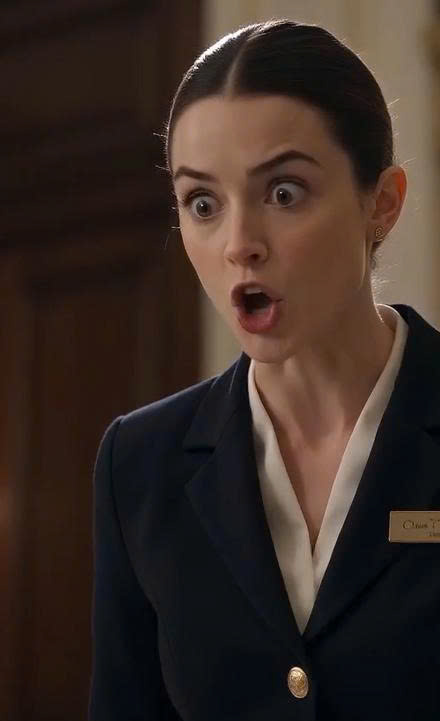
Sophie did not speak to her father during the drive back to Manhattan.
Charles tried once.
“Sophie.”
She looked out the window.
“Not yet.”
Harold sat opposite them inside the SUV.
He had spent thirty years imagining powerful families as machines that moved without pain.
He had been wrong.
Power did not prevent damage.
It merely gave people more rooms in which to hide it.
Back at the hotel, Sophie placed Claire’s still image on the library table.
“Explain.”
Charles stared at his younger face.
“I had forgotten.”
“You forgot being in a garage with a missing child?”
“I was drinking heavily that night.”
“That is not helping.”
“I know.”
He sat.
“My father called me at approximately eight-thirty.”
“You said he came to your apartment.”
“He did later.”
“So what happened first?”
Charles forced himself backward thirty years.
Richard called.
Shouting.
Edward had taken Lucy.
Charles drove to the hotel.
He found Edward in the garage.
Lucy sat inside a sedan.
Red shoes.
Crying.
Thomas was arguing with Edward.
“What was Edward doing?” Sophie asked.
“He wanted to move her.”
“Where?”
“I don’t know.”
“You didn’t ask?”
“I did.”
Charles remembered Edward saying:
This ends tonight.
He remembered Thomas saying:
Not Pennsylvania.
He remembered Lucy looking through the car window.
“Did she see you?”
“Yes.”
“What did she say?”
Charles’s voice broke.
“She called me Charlie.”
Harold looked down.
Sophie swallowed.
“And what did you do?”
“I told Edward to get out of the car.”
“Then?”
“I told Thomas to take Lucy somewhere safe.”
There it was.
Thomas’s story.
“What did ‘safe’ mean?” Sophie asked.
“I didn’t specify.”
“Did you tell him to bring her back?”
“No.”
“Did you tell him to call police?”
“No.”
“Did you take your seven-year-old sister out of the car?”
Charles said nothing.
Sophie’s eyes filled.
“No.”
Harold looked at Charles.
“Why?”
“Because Edward told me reporters were already asking about Marianne.”
Charles’s shame showed now.
“He said if Dad acknowledged Lucy, our mother would file for divorce. The refinancing could collapse. Lenders would question succession.”
Sophie stood.
“So you looked at a crying child and saw debt covenants.”
Charles flinched.
“Yes.”
She walked away.
Harold stayed.
After a minute Charles said, “Go ahead.”
“What?”
“Tell me what kind of man that makes me.”
Harold studied him.
“I don’t know.”
Charles looked surprised.
“I know what kind of man I was.”
Harold touched the broken suitcase.
“I’m still deciding what kind you are now.”
An hour later Naomi returned from the archive.
“We found Abraham Lerner’s Vermont box.”
Inside were copies of the Red Cedar Trust.
Correspondence with Richard.
And a yellow envelope addressed to Harold Reed.
Harold stared.
“For me?”
The envelope had never been mailed.
He opened it.
Harold,
If Lucy arrives at Briarwood, do not attempt to remove her without counsel.
If Richard dies before publicly recognizing her, Thomas and Edward will argue she has no rights.
The original acknowledgment of paternity is filed with Marianne’s attorney, Susan Bellamy.
Harold read the line again.
“Paternity acknowledgment.”
Naomi nodded.
“That means no DNA circus. Richard documented Lucy as his daughter while Marianne was alive.”
Charles looked up.
“Where is Susan Bellamy?”
“Retired. Eighty-three. Lives in Albany.”
Sophie returned to the table but did not sit near her father.
Naomi continued.
“Lerner also recorded a phone note from Thomas on October twenty-third.”
Five days after Lucy vanished.
Two days after Richard died.
The note read:
Child safe. Judith agreed. Charles does not want location disclosed until estate settled.
Sophie looked at Charles.
His face went white.
“I never said that.”
Thomas had moved from exploiting Charles’s ambiguity to using his name directly.
“Can we prove you didn’t?” Harold asked.
“No.”
Charles looked at Sophie.
“I don’t remember speaking to Lerner.”
Naomi said, “The note says Thomas called.”
“So Thomas represented Charles’s instruction.”
“Yes.”
Sophie crossed her arms.
“We find Susan Bellamy.”
They drove to Albany the next morning.
Susan received them in a small apartment overlooking Washington Park.
She remembered Marianne.
And Lucy.
“I told Richard secrecy would hurt that child.”
Susan opened a fireproof cabinet.
Inside was a notarized acknowledgment dated March 11, 1990.
I, Richard Alexander Whitmore, acknowledge Lucy Marianne Bell as my daughter and assume financial and parental responsibility.
Charles sat down.
There was also a letter from Richard.
Susan read it.
If Marianne dies before me, I intend to petition for formal custody and introduce Lucy to my family without further concealment.
Sophie closed her eyes.
Richard had not been improvising.
He had planned to bring Lucy into the family.
Susan looked at Charles.
“Your father loved her.”
Charles nodded.
“I know.”
“No.”
Susan’s voice sharpened.
“You know now.”
The same correction Eleanor had once given another father in another story of silence—but here it belonged entirely to this room.
Susan continued.
“After Marianne died, Richard called me almost every week.”
“Did Thomas?”
“Yes.”
“When?”
“Two days after Richard died.”
Everyone leaned forward.
“What did he want?”
“The acknowledgment.”
“Did you give it to him?”
“No.”
“He threatened you?”
Susan smiled thinly.
“Thomas always threatened politely.”
“What did he say?”
“That if I interfered with the Whitmore estate, my firm would never represent another hospitality client.”
Naomi asked, “Did you know where Lucy was?”
“No.”
“But someone contacted you later?”
Susan hesitated.
“In 2007.”
Charles stopped breathing.
“A woman called.”
“Lucy?”
“She said her name was Lucy Hale.”
Sophie stared.
“She was alive.”
Susan nodded.
“She was eighteen.”
“What did she want?”
“To know whether Richard Whitmore was truly her father.”
Charles’s voice shook.
“What did you tell her?”
“The truth.”
“Did she ask about us?”
Susan looked at him.
“She asked one question.”
“What?”
“Whether her brothers had ever tried to find her.”
Charles’s face collapsed.
Susan continued.
“I told her I didn’t know.”
Sophie whispered, “Did she leave contact information?”
“No.”
Harold’s hope fell.
Then Susan opened another drawer.
“But she mailed me something two weeks later.”
A photocopy of a childhood photograph.
Lucy on the Whitmore staircase.
On her feet:
two red shoes.
On the back, adult handwriting.
I kept the other one.
Harold stared.
May you like



The missing shoe had a pair.
And somewhere, perhaps still alive, Lucy Bell had carried it with her for thirty years.







