Chapter 18 - What Thomas Was Protecting
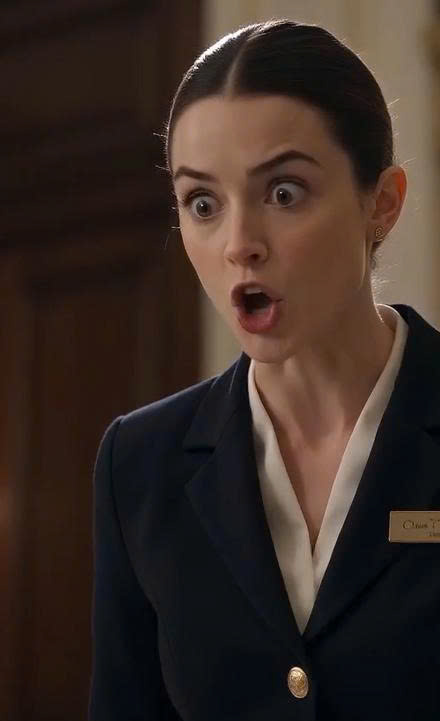
Thomas asked to speak with Lucy privately.
She refused.
“Harold stays.”
Thomas nodded.
Fair.
They met in the small library beside the ballroom.
Thomas looked at Lucy for a long time.
“You have Marianne’s mouth.”
Lucy’s face hardened.
“You don’t get to talk about my mother like you knew her kindly.”
“I knew her.”
“That wasn’t what I said.”
Thomas lowered his eyes.
Harold sat near the door.
Lucy asked, “Why Vermont?”
“Judith.”
“Why her?”
“She loved Marianne.”
“Did my father know her?”
“No.”
“So you chose someone outside Whitmore control.”
“Yes.”
Lucy studied him.
“You keep trying to make the kidnapping sound like rescue.”
Thomas nodded.
“I know.”
“Was Edward going to hurt me?”
Thomas hesitated.
“Yes.”
Harold leaned forward.
“How?”
“He wanted Lucy placed in a psychiatric residential facility under another name until Richard’s estate settled.”
Lucy stared.
“I was seven.”
“Edward was drunk, frightened, and obsessed with control.”
“Did he plan to keep me there?”
“I don’t know.”
“So you changed the plan.”
“Yes.”
“Without calling police.”
“Yes.”
“Without calling Susan Bellamy.”
“Yes.”
“Without telling Charles where I was.”
“Yes.”
“Then you forged my guardianship and stole my trust.”
“Yes.”
Lucy laughed bitterly.
“You saved me from one cage and built another.”
Thomas closed his eyes.
“Yes.”
That was the sentence.
No justification survived it.
Harold asked, “Why the shares?”
Thomas looked at him.
“Because once Richard died, I realized Edward would expose everything if he didn’t get control.”
“And your five percent?”
Thomas’s voice became smaller.
“I wanted it.”
Harold nodded.
There.
At last.
Not company stability.
Not employees.
Not protection.
Greed.
Thomas continued.
“I spent twenty-two years making other men rich.”
“And you decided Lucy could pay you.”
“Yes.”
Lucy looked at him.
“Thank you.”
Thomas seemed confused.
“For what?”
“For finally choosing the ugly answer.”
She stood.
Thomas said, “I am sorry.”
Lucy stopped.
“I believe you.”
His eyes filled.
“That does not mean I forgive you.”
“I know.”
“Good.”
Outside, Charles waited.
Thomas faced him.
“You should have stopped me.”
Charles replied, “Yes.”
“I counted on you not asking where Lucy went.”
“Yes.”
“I knew the refinancing mattered more to you.”
Charles said nothing.
Thomas continued.
“I used your weakness.”
Charles looked at his former counsel.
“And I supplied it.”
Neither man escaped.
Later that afternoon, the district attorney announced an investigation into recent evidence tampering, document falsification, and obstruction-related conduct involving Claire and Thomas.
Older acts faced complex statutes-of-limitation issues.
Some might never produce criminal convictions.
Lucy accepted that reluctantly.
“Thirty years does things to law.”
Naomi nodded.
“Witnesses die. Statutes expire. Evidence disappears.”
“So they win?”
“No.”
Naomi looked at the trust documents.
“Criminal court is not the only place consequences exist.”
Civil litigation began immediately.
The Whitmore board created a special committee.
Thomas resigned all advisory roles and agreed to place his disputed Whitmore-derived assets in escrow pending claims.
Claire resigned as general manager.
Her shares were frozen voluntarily through a negotiated standstill.
Charles stepped down from executive leadership.
Sophie refused immediate promotion.
Instead, she asked the board to recruit an outside CEO.
Charles stared.
“You were supposed to take over.”
“That was the plan.”
“And now?”
“I don’t know if inherited power should automatically reproduce itself.”
Charles almost smiled.
“You’re going to be very inconvenient.”
“I learned from Lucy.”
At the hotel, Harold met Anna.
His daughter walked into the lobby, saw the staircase, and immediately cried.
Harold hugged her.
“I’m sorry.”
She held him tighter.
“I know.”
“I should have told you.”
“Yes.”
“I thought shame got smaller if nobody saw it.”
Anna stepped back.
“Did it?”
“No.”
She looked at the red shoe inside its evidence case.
“You kept that for thirty years?”
“Yes.”
“For Lucy?”
“And for myself.”
Anna nodded.
“That part I understand.”
Harold looked surprised.
She smiled sadly.
“People keep objects when they don’t know what to do with feelings.”
His daughter had always been smarter than him.
Across the lobby, Lucy watched Charles remove Richard Whitmore’s portrait from the founder wall.
She approached.
“What are you doing?”
“Taking him down.”
“Why?”
“He hid you.”
Lucy looked at the portrait.
“He also tried to fix it.”
“Too late.”
“Yes.”
She touched the frame.
“But if you remove everyone who failed, this building will become very empty.”
Charles looked at her.
“What should we do?”
“Tell the whole story.”
Not hero.
Not villain.
A man who had an affair.
A father who hid a daughter.
A father who later tried to acknowledge her.
A man whose secrecy created the conditions others exploited.
Charles nodded.
“Then he stays.”
“With the truth.”
“With the truth.”
That became the new rule.
Not erasing shame.
Attaching context.
May you like



And for the first time, the Whitmore name began to mean something other than perfection.
It began to mean a record nobody was allowed to edit alone.







