Chapter 13 - The Woman Lily Still Loved
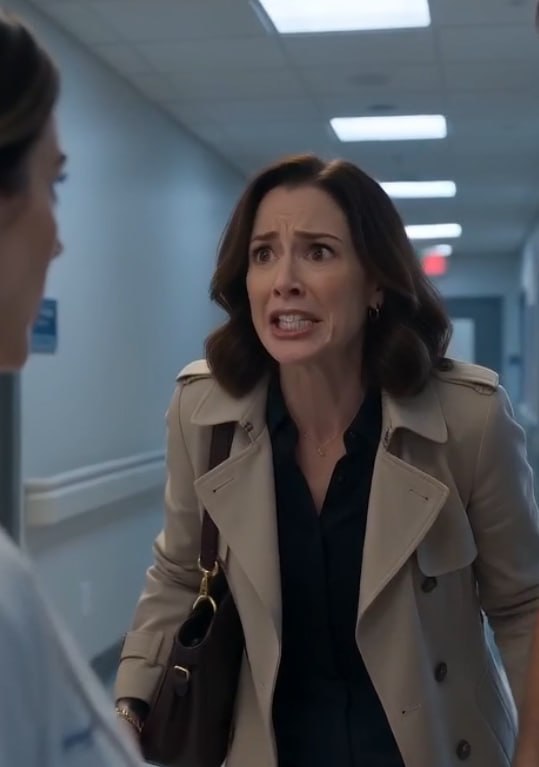
Lily asked to see Diane.
Rebecca’s first instinct was no.
She hated herself for it immediately.
Paige noticed.
“You don’t decide.”
“I know.”
“Good.”
Rebecca rubbed her forehead.
“She hit her.”
“Yes.”
“She manipulated her.”
“Yes.”
“And Lily still wants to see her.”
“Yes.”
Rebecca looked away.
“This is harder than fighting Diane.”
“Parenting usually is.”
The visit took place with a therapist and security officer present.
Diane entered wearing plain clothes.
No pearls.
No expensive coat.
Lily looked shocked by how tired she seemed.
Diane sat.
“Hi, baby.”
Lily stiffened at the word.
Diane noticed.
“Sorry.”
They stared at each other.
Finally Lily said, “Did you love me?”
Diane began crying.
“Yes.”
“Then why did you hit me?”
“I panicked.”
“That’s not why.”
Diane wiped her face.
“I thought you were going to tell Dr. Harris about the letters.”
“Yes.”
“I knew if they found them, everything would start falling apart.”
“So you hit me.”
“Yes.”
Lily looked wounded.
Diane whispered, “I’m sorry.”
“Did you lie about Mom?”
“Yes.”
The answer surprised Lily.
Diane had spent months denying.
Now evidence had stripped denial of value.
“Why?”
“At first, because I thought she was dangerous.”
“And later?”
Diane looked down.
“Because I was afraid you’d leave me.”
That answer hurt more than money.
Lily’s eyes filled.
“You made her disappear because you were scared I’d love her?”
Diane nodded.
“Partly.”
“And the money?”
Diane flinched.
“I used some.”
“Some?”
“I thought I deserved compensation.”
“For being my aunt?”
“For being your mother in every way that mattered.”
Lily stood.
Diane looked up.
“You weren’t my mother.”
The words hit hard.
Lily immediately began crying.
“I’m sorry.”
Diane’s face crumpled.
“Don’t be.”
Lily sat again.
“I don’t know what you were.”
Neither did Diane.
That was the tragedy.
She had genuinely cared for Lily.
She had also built that relationship by keeping another mother away.
Love had grown inside theft.
No court could simplify that.
The therapist ended the visit early when Diane became overwhelmed.
Lily cried in Paige’s car afterward.
“I hate her.”
“Okay.”
“And I miss her.”
“Okay.”
“Stop saying okay.”
Paige smiled.
“Both feelings can be true.”
At Rebecca’s next visit, Lily repeated the conversation.
Rebecca listened without attacking Diane.
That was difficult.
Then Lily asked:
“Can I call you Mom?”
Rebecca’s entire body went still.
“You can call me Rebecca forever if that’s easier.”
“That wasn’t what I asked.”
Rebecca smiled through tears.
“Yes.”
Lily tried the word quietly.
“Mom.”
Rebecca broke.
Lily laughed.
“You’re crying again.”
“I warned you.”
Their first hug happened five minutes later.
Lily initiated it.
Rebecca did not squeeze too tightly.
She was learning.
Then the case suffered its largest setback.
Alan Voss changed his story.
After weeks of negotiating cooperation, he now claimed Diane never asked him to alter Rebecca’s record.
His lawyer produced an affidavit.
Voss said the toxicology change had been a legitimate correction.
The payments from Mercer Administrative Services were unrelated consulting fees.
Miriam stared at the affidavit.
“He’s lying.”
“Can we prove it?” Rebecca asked.
“Not directly enough yet.”
Without Voss, the hospital-record conspiracy became more difficult to establish criminally.
Worse, Peter Lang’s lawyers argued the hospital had reasonably relied on Voss’s technical explanation.
Northbridge’s insurers began pushing for a confidential settlement with Rebecca.
Money in exchange for releasing hospital claims.
Rebecca refused.
“They want this buried again.”
Miriam cautioned her.
“A settlement isn’t always burial.”
“This one has confidentiality.”
“Yes.”
“No.”
The offer was $1.2 million.
Rebecca needed money.
She had spent years on legal fees.
She lived in a rented apartment.
Yet she refused.
Then another setback came.
The judge reviewing Lily’s guardianship warned that even if Diane’s original appointment was fraudulent, Rebecca’s prior custodial-interference conviction remained relevant to any immediate placement.
Diane’s attorneys requested a full psychological evaluation of Rebecca.
Rebecca exploded outside court.
“They’re doing it again.”
Miriam grabbed her arm.
“Lower your voice.”
“They used psychiatry to steal my kid, and now they want another evaluation?”
“The judge ordered one.”
“I won’t.”
Miriam stared.
“If you refuse, you could lose reunification.”
Rebecca’s anger surged.
“I am not letting them put me in another room and decide whether I deserve my daughter.”
Paige stood nearby.
“Then Diane wins.”
Rebecca turned.
Paige’s expression remained calm.
“Not because the evaluation is fair. Because refusing gives the court no current evidence.”
Rebecca hated her.
For ten minutes.
Then she agreed.
But fear changed her behavior.
During the evaluation, Rebecca became defensive.
Suspicious.
Angry.
The psychologist’s preliminary notes described “hypervigilance, unresolved trauma, and difficulty trusting institutions.”
Diane’s lawyers seized on the language.
The final custody hearing was delayed.
Expanded visitation was postponed.
Lily cried when told.
Rebecca felt as though nine years had vanished and she was back at the beginning.
May you like



And Diane, despite criminal exposure, still possessed one weapon stronger than forged records.
Rebecca’s own history of fear.







