Chapter 17 - The Judge’s Decision
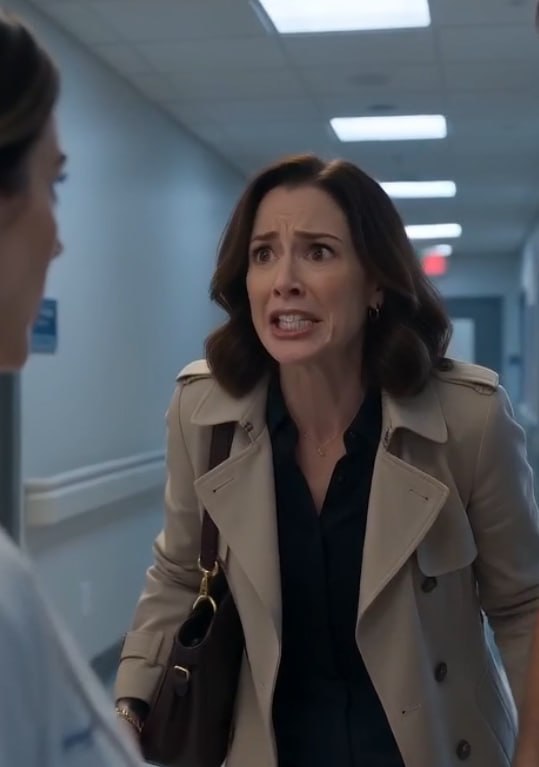
The courtroom was full before nine.
Judge Patel entered at 9:06.
Lily waited elsewhere.
The judge began with the original guardianship.
“The court finds by clear and convincing evidence that Diane Mercer’s permanent guardianship was obtained through material fraud.”
Rebecca shut her eyes.
The forged parental surrender.
The false hospital information.
The fabricated name-change order.
The concealed letters.
All cited.
“The guardianship order is vacated.”
Diane stared forward.
Then Judge Patel addressed the question Rebecca had waited nine years to hear.
“Vacating a fraudulent guardianship does not automatically answer present-day custody.”
Rebecca’s heart tightened.
The judge described Lily’s bond with Diane.
Rebecca’s long absence.
The daycare offense.
The trauma created by years of litigation.
Then:
“Rebecca Bennett remains Lily’s legal mother. There is insufficient evidence that she is presently unfit.”
Rebecca broke down.
Miriam squeezed her hand.
“But immediate full-time placement would disregard the child’s current emotional reality.”
Rebecca nodded through tears.
The court ordered a structured reunification plan.
Eight weeks of expanded supervised and therapeutic visits.
Then weekend visits if clinicians approved.
Then a transition to primary physical custody with Rebecca, subject to review.
Lily would remain in Chicago.
She would remain in her school.
An independent trustee would control her money.
Any future contact with Diane would be determined by Lily’s therapist, guardian ad litem, and the court after criminal proceedings advanced.
The name issue was deferred.
“Lily will not be treated as an object to be renamed by whichever adult currently possesses legal power,” Judge Patel said.
Rebecca looked down.
Diane cried silently.
Then the judge addressed her.
“Ms. Mercer, caregiving does not create ownership.”
Diane closed her eyes.
“You provided Lily with years of daily care. That fact is real. So are your assault, deception, financial self-dealing, and sustained efforts to sever her relationship with her mother.”
The words were final.
Outside, reporters waited.
Rebecca did not speak to them.
Neither did Diane.
Criminal prosecutors acted later that afternoon.
Diane was indicted on charges including financial crimes, forgery-related offenses, obstruction, and offenses connected to the misuse of Lily’s trust.
The hospital-lobby battery remained a separate case.
Raymond Sloane was charged weeks later with conspiracy, document fraud, and obstruction-related conduct.
Alan Voss pleaded guilty to falsifying records and conspiracy.
Gerald Knox entered a cooperation agreement.
Peter Lang was not accused of participating in the original guardianship plan, but regulatory investigations examined the later hospital cover-up.
Northbridge publicly acknowledged failures in record integrity and disclosure.
Rebecca filed a civil action against Diane, Sloane, Voss, and the hospital.
Naomi testified in deposition.
Sloane’s lawyer tried to destroy her credibility.
“You violated Northbridge policy on the day these documents were discovered, correct?”
“Yes.”
“You used a card not issued to you?”
“Yes.”
“You entered an archive without authorization?”
“Yes.”
“You opened a sealed envelope?”
“Yes.”
“Yet you want this court to trust your judgment?”
Naomi remained calm.
“No.”
The lawyer paused.
“I’m sorry?”
“You don’t have to trust my judgment about whether I broke policy. I did.”
Naomi pointed toward the evidence list.
“The documents were later authenticated independently.”
The lawyer changed subjects.
Owning the mistake took away its power.
Rebecca understood.
So did Lily.
The reunification plan began slowly.
On the first Saturday, Rebecca and Lily cooked pancakes.
Rebecca burned them.
Diane had apparently made excellent pancakes.
Lily said so.
Rebecca replied, “Then we need her recipe.”
The sentence shocked Lily.
“You can say something nice about her?”
“I can say she made better pancakes than me.”
“That’s not hard.”
“Rude.”
Lily laughed.
They went to a bookstore.
Did homework.
Argued about bedtime.
Ordinary things.
The first overnight visit took place six weeks later.
Lily packed the same backpack Diane had grabbed in the hospital lobby.
Rebecca noticed the damaged strap had been sewn.
“Do you want a new one?”
“No.”
“Okay.”
Lily put it beside her bed.
At 1:00 a.m., Rebecca heard crying.
She entered the guest room but stopped at the doorway.
“Can I come in?”
Lily nodded.
Rebecca sat.
“I miss her.”
Rebecca knew who she meant.
“I know.”
“Are you mad?”
“No.”
“I’m mad.”
“At Diane?”
“At everybody.”
“Reasonable.”
Lily leaned against her.
Rebecca did not say she had won.
She did not say Diane deserved to be forgotten.
She simply held her.
The next morning, Lily ate burned pancakes without complaining.
That frightened Rebecca.
“Why aren’t you insulting my cooking?”
Lily smiled.
“I’m trying to be supportive.”
“Please stop. It’s unsettling.”
They both laughed.
The court transition moved forward.
But before Lily could move in permanently, prosecutors requested one final interview.
New evidence had been recovered from Sloane’s server.
A video file.
Nine years old.
Recorded inside Rebecca’s hospital room.
May you like



No one knew it existed.
And the person holding the camera was Diane.







