Chapter 18 - Penelope’s Son
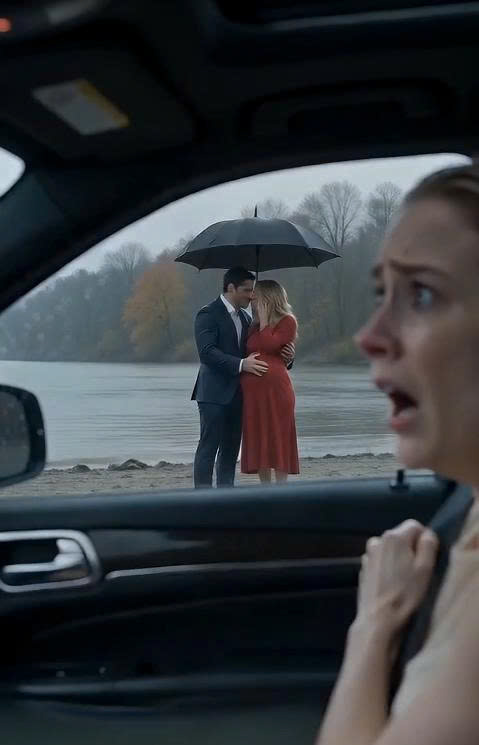
Penelope delivered at thirty-five weeks.
A boy.
Small.
Breathing on his own after brief support.
She named him Julian.
Garrett was in custody.
Penelope remained under court supervision and would face sentencing later.
Rosalind did not visit immediately.
She sat in her car outside the hospital for twenty minutes.
Tobias waited beside her.
“You don’t have to go.”
“I know.”
“Then why are you?”
Rosalind looked at the hospital.
“Because Julian isn’t Garrett.”
“No.”
“And he isn’t Penelope.”
“No.”
“He’s just a baby.”
Tobias nodded.
Inside, Penelope held Julian against her chest.
She looked exhausted.
When Rosalind entered, Penelope began crying.
“I didn’t think you’d come.”
“I almost didn’t.”
Penelope nodded.
Fair.
Rosalind approached the bassinet.
Julian’s fingers were tiny.
His face looked like neither parent yet.
Penelope whispered:
“Victoria filed for temporary guardianship if I’m incarcerated.”
Rosalind looked at her.
“And?”
“I told my lawyer I want you considered first.”
Rosalind stared.
“No.”
Penelope’s face fell.
Rosalind continued.
“You do not get to appoint me because guilt makes it convenient.”
“I know.”
“But I will make sure his interests are independently represented.”
Penelope nodded.
“That’s enough.”
Rosalind looked at the baby again.
Through counsel and child-welfare proceedings, a temporary guardianship plan was eventually created with a neutral maternal relative and professional oversight rather than handing Julian to either warring dynasty.
Rosalind agreed to remain part of his life only if therapists and courts found it healthy.
No promises based on blood.
No child used as restitution.
The criminal cases progressed.
Garrett ultimately faced overwhelming evidence:
The SUV wire.
Brake sabotage planning.
Penelope’s messages.
Lucy’s records.
Keller’s testimony.
Toxicology.
Voice notes.
Forged insurance and governance documents.
Threats after release.
Evidence destruction.
Prosecutors offered no deal that avoided substantial prison time.
Garrett eventually pleaded guilty to multiple serious federal and state offenses in coordinated proceedings, including attempted murder-related conspiracy, wire fraud and unlawful administration of controlled medication, with other counts resolved as part of sentencing agreements.
Penelope pleaded guilty to conspiracy and fraud-related offenses.
Her cooperation, pregnancy, lesser role and assistance in exposing the historical case affected sentencing but did not erase accountability.
Dr. Keller lost his medical license and faced criminal penalties.
Harold Finch received consideration for cooperation in the fifteen-year-old homicide investigation, but his role remained criminal.
Everett Vale was dead.
He could not be tried.
His name nevertheless entered official findings and civil records.
Vale Maritime’s board removed Garrett and opened an independent investigation.
Civil lawsuits stripped the Vale family of gains connected to improper transactions.
The proposed Mercer acquisition collapsed permanently.
Mercer Shipworks survived its compliance crisis by disclosing Thomas Mercer’s historic wrongdoing, cooperating with authorities and accepting external monitoring on certain government contracts.
Rosalind hated signing the disclosure.
Grace asked:
“Do you want to soften the language about your father?”
“No.”
Tobias looked at her.
She continued:
“If we start editing him because we love him, we become them.”
That sentence became the new foundation.
Truth without family exemptions.
Rosalind restructured Mercer governance.
No spouse could automatically inherit voting authority.
Major transfers required independent trustees.
Related-party transactions required outside review.
Executive health information could never trigger control changes without independent medical evaluation and judicial safeguards.
She also removed Garrett from every estate document.
Not angrily.
Administratively.
Name after name.
Signature after signature.
A marriage reduced to revocations.
The life-insurance policy was rescinded after the insurer established fraud in procurement.
Rosalind wanted none of it.
One afternoon, Tobias walked into her office carrying the old wheelchair.
Rosalind stared.
“What are you doing with that?”
“Getting rid of it.”
She touched one wheel.
For fifteen years, the chair represented injury.
Then deception.
Then survival.
“Donate it?”
Tobias shook his head.
“It was custom.”
Rosalind smiled faintly.
“Burn it?”
“We’ve had enough fires.”
She laughed.
The sound surprised both of them.
Eventually they placed the chair in storage beside the family case records.
Not as shame.
As evidence.
May you like



Some lies saved lives.
They still cost something.







