Chapter 19 - Garrett’s Sentencing
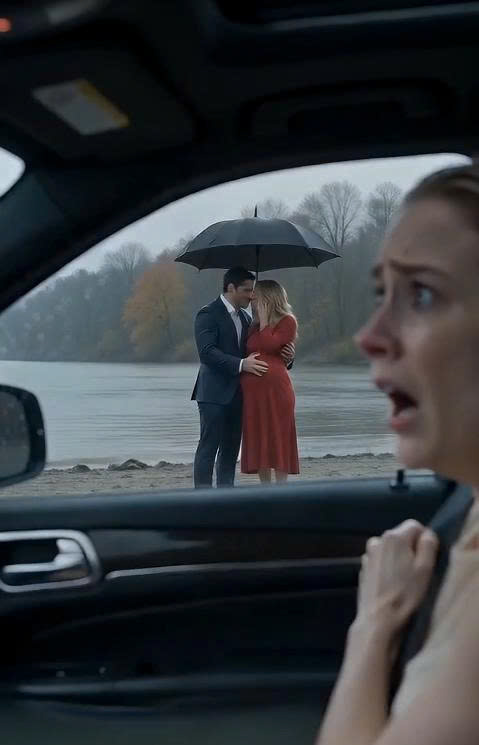
Rosalind did not plan to speak at Garrett’s sentencing.
Then she changed her mind.
The courtroom was full.
Reporters.
Lawyers.
Former Mercer employees.
Vale executives.
Tobias.
Grace.
Penelope attended separately for portions relevant to her case.
Garrett sat beside counsel.
He turned when Rosalind entered.
For the first time since Dry Dock Three, they looked directly at each other.
The judge reviewed evidence of planning over years.
Drugging.
Financial manipulation.
Insurance fraud.
Medical falsification.
Attempted murder.
Corporate conspiracy.
Evidence destruction.
The historical Vale scheme was relevant context but not used to punish Garrett for his father’s crimes.
That distinction mattered to Rosalind.
Garrett should answer for Garrett.
Not Everett.
When invited to speak, Rosalind stood.
She carried no dramatic props.
No milk bottle.
No river photograph.
Just paper.
“My husband did not begin trying to harm me the day my SUV entered the river.”
Garrett looked down.
“He began by making me doubt small things.”
The courtroom remained silent.
“I forgot a meeting. He told me I was exhausted.”
She breathed.
“I woke confused. He told me I was stressed.”
Another breath.
“I questioned a document. He told me I had already approved it.”
She looked at Garrett.
“I believed him because marriage teaches you that the person beside you sees things you cannot.”
Garrett’s jaw tightened.
“He used that trust as evidence against me.”
Rosalind did not cry.
“The river was only the first time his violence became visible.”
She described looking through the window.
Garrett under the black umbrella.
Penelope touching his face.
The smile.
Then Tobias standing.
“The thing that saved my life was not strength.”
She glanced at her brother.
“It was a secret I was furious to discover.”
Tobias’s eyes filled.
“My brother lied to me too.”
The courtroom shifted slightly.
“But Tobias’s lie forced us to confront something difficult. Secrets are not equal simply because they are secrets.”
Garrett looked up.
“Some conceal greed. Some conceal fear. Some conceal shame. Some are used to survive.”
Rosalind continued.
“I do not ask the court to punish Garrett because I loved him.”
She paused.
“I ask the court to judge what he chose to do with that love.”
Garrett’s face changed.
“He knew my fears. Used them.”
“My medical history. Manufactured it.”
“My marriage. Weaponized it.”
“My company. Tried to steal it.”
“My desire for children. Interfered with it.”
“My sister’s resentment. Exploited it.”
“My father’s mistakes. Used them as permission.”
Rosalind folded her paper.
“When I was underwater, I thought the worst thing I saw was my husband choosing my sister.”
She looked directly at Garrett.
“I was wrong.”
The room became completely still.
“The worst thing was realizing he had chosen power over reality so many times that he no longer believed other people’s lives existed outside what they could give him.”
She returned to her seat.
Garrett addressed the court later.
He apologized.
Parts sounded real.
Parts sounded rehearsed.
He admitted ambition became entitlement.
He admitted loving Rosalind.
He blamed Everett for teaching him that family companies were wars disguised as traditions.
The judge interrupted:
“Your father did not fasten that wire.”
Garrett stopped.
“No, Your Honor.”
“Your father did not put medication in your wife’s milk.”
“No.”
“Your father did not watch her vehicle sink.”
“No.”
For once, lineage failed as an excuse.
Garrett received a lengthy prison sentence across coordinated cases, followed by supervised release and substantial restitution and forfeiture obligations.
Penelope received a lesser but still serious sentence under her cooperation agreement, structured around postpartum medical realities and eventual custodial consequences.
She did not walk free.
She did not receive the same punishment as Garrett.
Their roles were different.
Their guilt was still real.
Outside court, reporters shouted.
Rosalind walked past them.
Tobias followed.
At the car, he asked:
“How do you feel?”
Rosalind considered the question.
“Hungry.”
He laughed.
“That’s it?”
“No.”
She opened the door.
“But it’s the first answer that came to mind.”
Ordinary hunger.
Not revenge.
Not grief.
Not fear.
Her body returning to itself.
That evening, Rosalind went home alone.
For years, Garrett had made warm milk before bed.
At 10:30, she entered the kitchen.
Opened the refrigerator.
Saw the bottle.
And froze.
She had not drunk warm milk since the river.
Her hand remained on the refrigerator door.
Then she closed it.
Not tonight.
May you like



Healing, she had learned, did not require reclaiming every stolen thing immediately.
Some things could wait until they meant something new.







