Chapter 17 - Thomas Reed Testifies
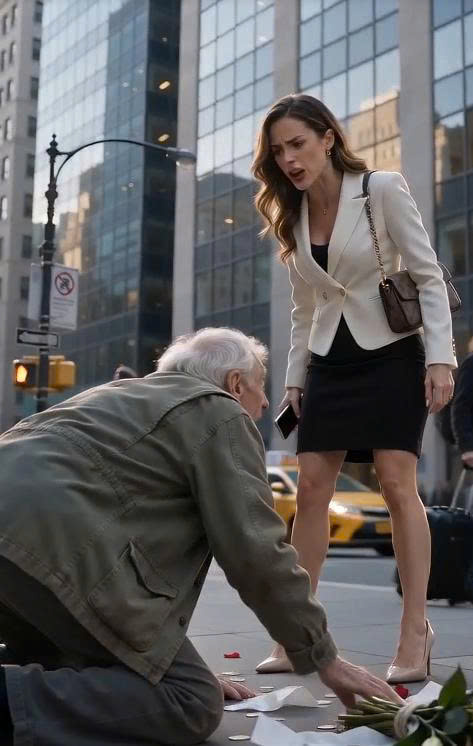
Thomas began with the eight thousand dollars.
Julian had not expected that.
Neither had Claire.
“I took money that did not belong to me,” Thomas said.
The hearing room became silent.
Authority counsel asked:
“When?”
“2006.”
“Why?”
“My wife needed medical care.”
“Did you return it?”
“Yes.”
“Does returning it make the taking lawful?”
“No.”
Claire’s lawyer watched carefully.
Thomas continued:
“Martin Bennett learned what I had done. He used it to frighten me.”
“Did he fabricate the theft?”
“No.”
“Did he exaggerate it?”
“Yes.”
“How?”
“He told people I stole from vendor funds. I did not. I took petty cash from an account I supervised.”
Thomas looked toward the commissioners.
“I tell you that first because if I wait for Ms. Bennett’s lawyers to say it, it will sound like something I was hiding.”
Julian felt unexpected pride.
Claire’s planned attack had been disarmed by honesty.
Thomas described Evelyn.
The covenant.
The restricted fund.
The 2005 confrontation.
His dismissal.
Martin’s $25,000 confidentiality payment.
Twenty years selling flowers.
Then Claire.
Her visits.
The buyout offer.
The threats.
The destroyed cart.
Authority counsel played Thomas’s recording.
Claire’s voice filled the chamber:
Three billion dollars. Do not make powerful people angry over a bucket of flowers.
Claire looked down.
Then the hearing displayed the video captured by commuters.
Claire shoving the cart.
Thomas kneeling.
Flowers scattering.
Her foot kicking a bouquet into traffic.
No editing.
No corporate statement.
Just behavior.
Thomas watched without moving.
When asked what he thought at that moment, his voice broke.
“I thought twenty years could be destroyed in twenty seconds.”
Claire finally looked at him.
Something moved across her face.
Not remorse.
Not yet.
Perhaps recognition.
Claire’s attorney cross-examined.
“You accepted twenty-five thousand dollars from Martin Bennett?”
“Yes.”
“You signed confidentiality?”
“Yes.”
“You stole eight thousand dollars?”
“Yes.”
“You kept corporate documents that did not belong to you?”
“Copies, mostly.”
“Without authorization?”
“Some.”
“So you believe rules apply selectively?”
Thomas smiled sadly.
“No.”
The lawyer paused.
Thomas continued:
“I believe breaking a rule because you are desperate does not make it disappear. That’s why I admitted what I did.”
Then he looked toward Claire.
“Some people need three decades to learn that.”
The hearing room murmured.
The attorney’s face tightened.
Next came forensic experts.
The vendor waivers were created years after their purported date.
Signatures were copied.
Claire’s laptop modified the files.
Her encrypted folder contained signature templates.
Her notes described permit termination as a means to create an abandonment argument.
Then Rebecca testified.
She spoke about Evelyn’s concerns.
The foundation payment.
Her own failure to listen.
Her voluntary decision to return tainted funds.
A commissioner asked:
“Ms. Cross, are you saying your father knowingly misused restricted money?”
Rebecca closed her eyes.
“Yes.”
Julian watched his sister surrender the last clean version of their father.
It cost her.
That made it credible.
Then Julian testified.
Cross Transit’s lawyers had prepared him for hours.
He ignored most of the polished language.
“Did you know about the 1995 vendor covenant?” counsel asked.
“No.”
“Did you know about the restricted transfers?”
“No.”
“Did you benefit from the company your father preserved?”
“Yes.”
“Do you believe that creates legal responsibility for you personally?”
Maya almost flinched.
Julian answered carefully.
“Legal responsibility is for courts and regulators to determine. Moral responsibility is different.”
The commissioner leaned forward.
“What do you believe Cross Transit owes?”
“Every dollar legally due to the vendor fund, with appropriate returns. An independent review of every legacy vendor removal. Governance reforms. And cooperation with any criminal investigation.”
“And if that threatens your concession?”
Julian paused.
Then answered:
“Then the authority should make the decision it believes the law requires.”
Claire looked up sharply.
The commissioner asked:
“You are willing to lose Harbor Central?”
Julian thought of Charles.
The company.
Evelyn.
The note.
“If the only way we keep it is by asking you not to discover what happened, then we should lose it.”
A murmur moved across the room.
Julian continued:
“I hope there is another remedy.”
Important.
He was not performing sacrifice.
Thousands of jobs mattered.
“So Cross Transit proposes restitution, independent monitoring, vendor restoration, and a revised concession with compliance oversight.”
A practical path.
Not martyrdom.
During cross-examination Claire’s attorney attacked his motive.
“You personally dislike Ms. Bennett.”
“Yes.”
Maya closed her eyes.
The attorney almost smiled.
“Because of the flower incident?”
“That contributed.”
“Because she sued you?”
“No.”
“Because she embarrassed your company?”
“No.”
“Then why?”
Julian looked directly at Claire.
“Because she treated a man’s poverty as evidence that he could be erased.”
Silence.
The attorney continued.
“Isn’t it true you accused her publicly before the forensic review was complete?”
“Yes.”
“You were removed from the project committee partly because of your conduct?”
“Yes.”
“You made mistakes?”
“Yes.”
The attorney’s rhythm broke.
Julian did not defend them.
That was harder to weaponize.
Then came the current forensic evidence.
Redvale payments.
Vendor pressure spreadsheets.
The fake waivers.
Claire’s surveillance of Thomas.
The failed attempts to enter Unit 814.
And finally the draft Evelyn “clarification letter.”
Rebecca left the room when it appeared on screen.
Claire watched her go.
For the first time, Claire looked shaken.
At 4:26 p.m. Martin Bennett took the witness chair.
His daughter stared at him.
Authority counsel asked:
“Mr. Bennett, did you participate in moving restricted vendor funds in 2005?”
Martin answered:
“Yes.”
“Did Charles Cross know?”
“Yes.”
“Did Evelyn Cross object?”
“Yes.”
“Did you characterize her allegations as evidence of emotional instability?”
Martin’s face tightened.
“Yes.”
Julian’s hands went cold.
“Why?”
“To discredit her.”
The sentence landed like a door closing across twenty years.
Rebecca began crying in the hallway.
Julian did not move.
Martin continued.
“We believed an investigation would destroy Cross Rail.”
“Did you believe what you were doing was lawful?”
Martin looked down.
“No.”
The hearing room became completely silent.
Then counsel asked the question that turned Claire pale.
“Mr. Bennett, when did your daughter first become involved in maintaining the false vendor-waiver records?”
Martin closed his eyes.
“2014.”
Claire whispered:
“Dad.”
May you like



He looked at her.
And began explaining everything.







