Chapter 18 - Claire Bennett’s Inheritance
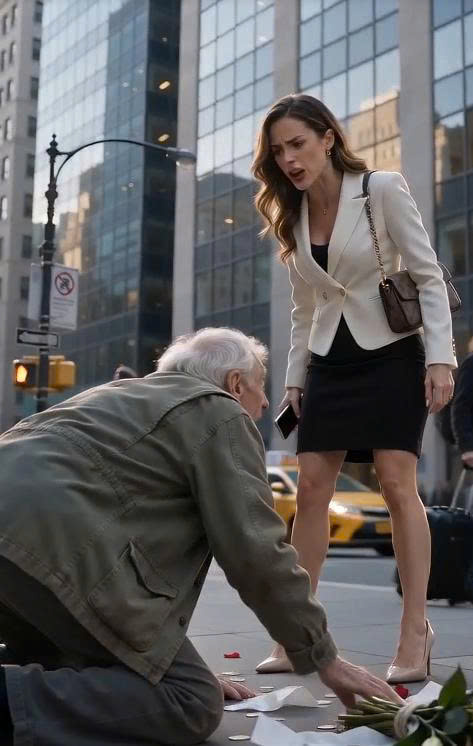
Martin did not spare Claire.
He did not spare himself either.
In 2014, Bennett Urban began assembling parcels around Harbor Central.
A title attorney discovered the legacy vendor covenant had never been formally terminated.
Martin told Claire the issue was “ancient paperwork.”
She reviewed old files.
Found the questionable waiver package.
Recognized it was incomplete.
Then recreated it.
At first, Martin testified, Claire believed she was cleaning an old record.
“But when did she know the signatures were not authentic?” authority counsel asked.
Martin looked toward his daughter.
“Within weeks.”
Claire shook her head.
“No.”
Her lawyer whispered urgently.
She ignored him.
Martin continued.
“She asked where the originals were. I told her there were none.”
“So she knew?”
“Yes.”
“What did she do?”
“Kept using the package.”
Claire stood.
“That is not the whole story.”
The chair ordered her to sit.
Claire’s lawyer requested a recess.
Granted.
In the hallway Claire cornered Martin.
“You told me the covenant was unenforceable.”
“I believed it was.”
“You told me all vendors had been compensated.”
“Most were.”
“You told me the signatures didn’t matter because the legal result was the same.”
Martin’s face sagged.
“Yes.”
“You taught me that.”
Julian stood thirty feet away.
He could hear everything.
Claire saw him.
Her eyes flashed.
“You.”
Julian said nothing.
She walked toward him.
Her lawyers followed.
“You think this is justice?”
“No.”
“That answer again.”
Claire laughed bitterly.
“You people always get to become moral after the money is made.”
Julian absorbed it.
There was truth inside the accusation.
Cross wealth had benefited from Charles’s decisions.
Claire continued.
“My father spent his life cleaning up your family’s disasters.”
“And you decided vendors should pay you for doing it?”
Her face hardened.
“You think I started with them?”
“What does that mean?”
“I watched your father call mine at midnight and say jump.”
Martin closed his eyes.
Claire’s voice trembled.
“I watched Charles Cross put his hand on my father’s shoulder in public and call him family, then introduce him to donors as ‘our lawyer.’”
Julian said quietly:
“That hurt you?”
“It taught me.”
“What?”
“That there are people who own rooms and people who solve problems inside them.”
“And you wanted to own the room.”
“Yes.”
No hesitation.
“I built Bennett Urban into something your family needed.”
“You built part of it by making small people disappear.”
Claire flinched.
He had hit the right nerve.
“Thomas wasn’t small.”
“You treated him like he was.”
“He was one vendor blocking three billion dollars.”
“There.”
Julian’s voice remained quiet.
“That sentence.”
Claire stared.
“That is what my father said. That is what Martin said. That is what everyone says right before someone with less power becomes a rounding error.”
Claire’s eyes filled with anger.
“You don’t get to preach to me.”
“No.”
Julian nodded.
“My family helped teach yours that outcomes excuse methods.”
Martin looked at him.
Julian continued:
“That does not excuse what you did.”
Claire’s face changed.
For a moment she looked young.
Tired.
Then the armor returned.
“You want me to apologize to him?”
“No.”
Julian looked toward Thomas, sitting alone near a window.
“He doesn’t need your performance.”
The hearing resumed.
Claire ultimately chose to testify despite counsel’s advice.
Perhaps she could not bear allowing Martin to define her.
She admitted modifying files.
Admitted Redvale payments.
Admitted using permit pressure.
Denied believing the waivers were criminally fraudulent at first.
Then came the flower cart.
Authority counsel asked:
“Did your father instruct you to destroy Mr. Reed’s cart?”
“No.”
“Did anyone?”
“No.”
“Why did you do it?”
Claire’s face tightened.
“I was angry.”
“About the blazer?”
A long silence.
“No.”
Julian looked up.
Claire continued.
“My father had called. He said Cross might review the covenant. He blamed me for failing to get Thomas’s signature.”
Thomas watched her.
“I got out of the taxi. Thomas was there. I hit the cart. The flower touched me.”
She swallowed.
“It was… convenient.”
“What was?”
“Being angry at someone I thought couldn’t hurt me.”
The sentence changed the room.
No legal strategy.
No justification.
Just truth.
Thomas looked down.
Claire continued:
“I pushed the cart because I could.”
Her voice cracked.
“I knew people would watch. I thought they would see an old vendor and an angry woman and keep walking.”
Julian remembered the phones.
The commuters.
The black sedan.
Claire looked at Thomas.
“I was wrong.”
Thomas did not respond.
Counsel asked about Unit 814.
Claire admitted trying to locate Evelyn’s records.
“Why?”
“Because if the originals surfaced, the redevelopment could collapse.”
“Did you intend to destroy them?”
Claire hesitated.
Her lawyer whispered.
She ignored him.
“Yes.”
Martin closed his eyes.
The final conspiracy became clear.
Historical wrongdoing by Charles and Martin.
A medical narrative used to silence Evelyn.
Partial repayment disguised instead of disclosed.
Decades of concealment.
Then Claire’s modern scheme:
Recreated waivers.
Vendor pressure.
Secret payments.
Surveillance.
Attempts to obtain Evelyn’s archive.
Permit termination.
Document manipulation.
Camera deletion arranged with Martin.
The flower-cart incident was not the conspiracy.
It was the moment Claire’s contempt made the conspiracy visible.
At the end of the hearing, the authority chair announced no immediate decision.
Claire left through a side corridor.
Federal agents were waiting.
They did not dramatically drag her away.
They handed her counsel documents.
A criminal complaint and summons procedures connected to federal wire-fraud and obstruction allegations were moving forward, while state prosecutors pursued forgery-related charges.
Martin already knew his fate depended on cooperation.
Claire looked toward Julian.
Then Thomas.
For one second she seemed about to speak.
Thomas shook his head.
Not now.
Perhaps never.
Claire walked away.
Outside, hundreds of commuters passed the station.
Some carried flowers.
Inside, Julian stood beside Thomas.
“What happens now?” Thomas asked.
Julian looked toward the authority chamber.
“They decide whether my company stays.”
Thomas nodded.
“And me?”
“Your permit board said it will follow the authority findings.”
Thomas looked down.
After thirty years of hidden documents and twenty years of flowers, both men were waiting on the same thing.
A system bigger than either of them.
This time, no one was secretly paying the person who decided.
That alone felt new.
Then Maya approached carrying a sealed copy of the authority staff recommendation.
Her expression gave nothing away.
Julian took it.
Opened the first page.
Read.
Thomas whispered:
“Well?”
Julian looked up.
“They’re not terminating the concession.”
Thomas exhaled.
Julian continued.
“But Cross keeps Harbor Central only if we accept twelve years of independent monitoring, full vendor restitution, revised governance, and a substantial penalty.”
“How substantial?”
Julian almost smiled.
“Very.”
Thomas nodded.
“Good.”
Julian laughed.
“You are expensive.”
May you like



Thomas looked at him.
“Apparently I was always worth more than twenty-five thousand.”







