Chapter 19 - What the Station Owed
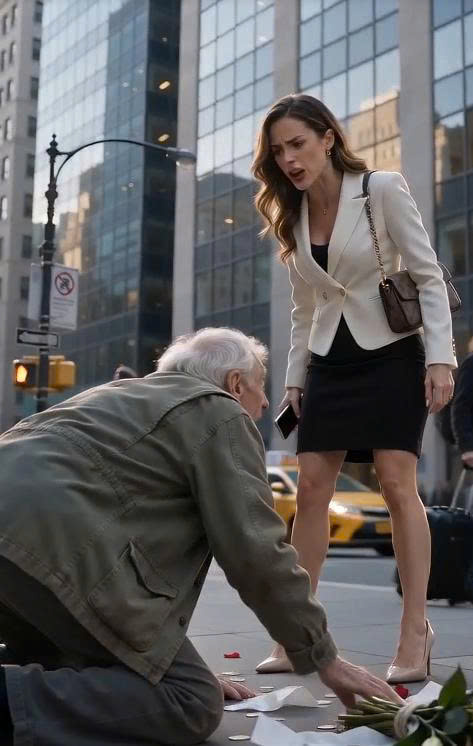
Cross Transit paid.
Not because money could undo the past.
Because money had been taken.
The final authority settlement required $48 million in restitution, penalties, and vendor remediation, with amounts subject to individual claim review.
The Cross Family Foundation returned the tainted portion of its historic endowment and pledged new funds raised independently.
Bennett Urban’s Harbor redevelopment partnership was terminated.
Its land options were acquired later through a supervised market transaction rather than the secret side deal Martin once offered.
The $2.8 billion redevelopment did not vanish.
It changed.
Smaller retail footprints.
Legacy-vendor protections.
Independent oversight.
No Redvale.
No hidden fees.
No Claire.
Cross Transit kept the station.
But not the old way of controlling it.
Julian remained on leave through the settlement process.
Then the board offered his return as chief executive.
He surprised everyone.
“No.”
Anita Cho stared.
“You fought six months to save this company.”
“I fought to stop losing it for the wrong reasons.”
“What do you want?”
“Executive chairman. No day-to-day operations.”
Rebecca almost dropped her coffee when he told her.
“You’re voluntarily giving up the CEO office?”
“Yes.”
“Should I call a doctor?”
“That joke has become historically inappropriate.”
She laughed anyway.
Nathan Walsh became permanent CEO.
Independent directors gained stronger control of compliance and related-party transactions.
Julian remained powerful.
But power no longer meant every decision ended at his desk.
He was learning to survive that.
Thomas’s vendor case concluded two weeks later.
The permit board vacated the suspension.
Its written decision acknowledged retaliatory enforcement had improperly influenced the process.
Thomas read that sentence three times.
“They admitted it.”
Maya smiled.
“In government language.”
“What does that mean?”
“It means this is practically a love poem.”
Cross Transit offered Thomas one of the new premium retail kiosks inside the station.
He refused.
Too large.
Too expensive-looking.
“I want my old space.”
The authority restored it.
Julian commissioned a replica of the destroyed wooden cart.
Thomas rejected the first design.
“Too polished.”
Julian stared.
“You complained the new cart is too nice?”
“Yes.”
“You are impossible.”
“The wheels are wrong.”
They rebuilt it again.
Same dimensions.
Stronger frame.
Old-fashioned wood.
Zinc buckets.
Thomas paid part of the cost himself.
Julian stopped trying to argue.
Claire’s criminal cases took months.
She eventually entered guilty pleas to several financial and document-related offenses under agreements resolving overlapping state and federal exposure.
The court distinguished between the station assaultive property damage, the document offenses, and the broader financial conduct.
Thomas submitted a victim-impact statement.
He did not ask for maximum punishment.
He did not ask for mercy.
He wrote:
She believed losing control of herself for twenty seconds gave her the right to destroy what took me twenty years to build. I hope whatever consequence the court chooses teaches her that another person’s small life is not small because her own ambitions are large.
Martin pleaded guilty to conspiracy and financial offenses tied to historical concealment and current obstruction.
His cooperation reduced but did not erase consequences.
He lost his law license.
Much of his wealth went toward penalties, restitution, and legal costs.
Julian visited him once before sentencing.
Martin looked diminished without the library, the suits, the certainty.
“Do you hate me?” Martin asked.
Julian thought.
“No.”
Martin looked surprised.
“That disappoints you?”
“I expected more.”
Julian stood.
“I spent months letting you choose my emotions.”
Martin’s face tightened.
“Evelyn would like that answer.”
Julian paused at the door.
“She would hate how long it took.”
That was the last time they spoke.
Julian did not visit Claire.
Thomas eventually did.
Not in prison.
At a courthouse holding area before her sentencing.
She had requested it through attorneys.
Thomas almost refused.
Then went.
Claire sat across a table.
No white blazer.
Simple navy clothes.
She looked younger without armor.
“I’m sorry,” she said.
Thomas waited.
“For the cart.”
He said nothing.
“For the flowers.”
Still nothing.
“For humiliating you.”
Thomas finally spoke.
“Why?”
Claire swallowed.
“I told you.”
“No. Why are you sorry?”
She looked confused.
“Because it was wrong.”
“That is the beginning.”
Her eyes filled.
Thomas continued.
“If you are sorry because you lost everything after doing it, you are still thinking about yourself.”
Claire looked down.
“I don’t know how to prove the difference.”
“You don’t prove it to me.”
“Then why did you come?”
Thomas thought about Anna.
Evelyn.
Twenty years.
The wet pavement.
“Because people like you spend your lives thinking poor people exist either to forgive you or condemn you.”
Claire looked up.
Thomas smiled sadly.
“I came to tell you I have other things to do.”
He stood.
“Flowers arrive at five in the morning.”
Claire laughed once through tears.
Thomas left.
He never told Julian exactly what they discussed.
Some conversations did not belong to billionaires.
The morning the rebuilt cart reopened, hundreds of commuters gathered.
Julian hated the press attention.
Thomas hated it more.
At six thirty the cameras finally left.
The station returned to normal.
Coffee.
Announcements.
Suitcases.
Shoes.
Noise.
Thomas arranged lilies in a zinc bucket.
Julian stood beside him.
“You know the redevelopment team offered you free rent for life.”
“No.”
“You said no?”
“Yes.”
“Why?”
“I can pay rent.”
Julian laughed.
“Of course.”
Thomas picked up the old photograph.
It was now in a simple wooden frame attached inside the cart.
Evelyn.
Anna.
Thomas.
Young Claire partly visible at the edge.
Julian looked at his mother.
“She changed everything.”
Thomas shook his head.
“No.”
Julian frowned.
“She tried.”
Thomas adjusted a rose.
“You changed something when you finally listened.”
Before Julian could answer, Rebecca arrived carrying a small plaque.
Thomas groaned.
“What is that?”
“Nothing with your name.”
“Good.”
It was a memorial to Evelyn Cross and Anna Reed recognizing their role in creating the Legacy Vendor Covenant.
Thomas read it.
His eyes filled.
“Anna would complain about the font.”
Rebecca laughed.
“What font would she want?”
“Cheaper.”
Julian looked toward the station entrance.
The exact place Claire had shoved the cart.
The pavement had been cleaned hundreds of times since.
No mark remained.
But Thomas remembered exactly where every bucket landed.
He pointed.
“One of the lilies rolled all the way there.”
Julian followed his finger.
“Claire kicked it?”
“No.”
Thomas smiled.
“The one that touched her blazer.”
Julian became quiet.
One flower.
One wet mark.
Three decades of secrets surfaced because Claire believed something tiny done to her justified destroying something enormous belonging to someone else.
Thomas returned to arranging bouquets.
Julian asked:
“Do you ever think about what would have happened if I arrived five minutes later?”
Thomas looked at him.
“Yes.”
“What?”
“I’d have picked up the flowers.”
“And the photograph?”
“Eventually.”
“And would you have called me?”
Thomas considered.
“Probably not.”
Julian stared.
“Why?”
“You weren’t ready.”
“How do you know?”
Thomas smiled.
“You still thought owning the station meant you understood it.”
Julian could not argue.
A commuter approached.
“Three roses, please.”
Thomas wrapped them.
“Eight dollars.”
Julian watched him count change.
The ordinary business of being alive.
Then Thomas turned.
“Tomorrow is your mother’s birthday.”
“I know.”
“Come early.”
“Why?”
Thomas shrugged.
“I have something for you.”
Julian narrowed his eyes.
“Another box?”
“No.”
“Cassette?”
“No.”
“Hidden crimes?”
Thomas almost smiled.
“Flowers, Julian.”
May you like



Julian laughed.
For once, that was all.







