Chapter 18 - The Price of Telling Everything
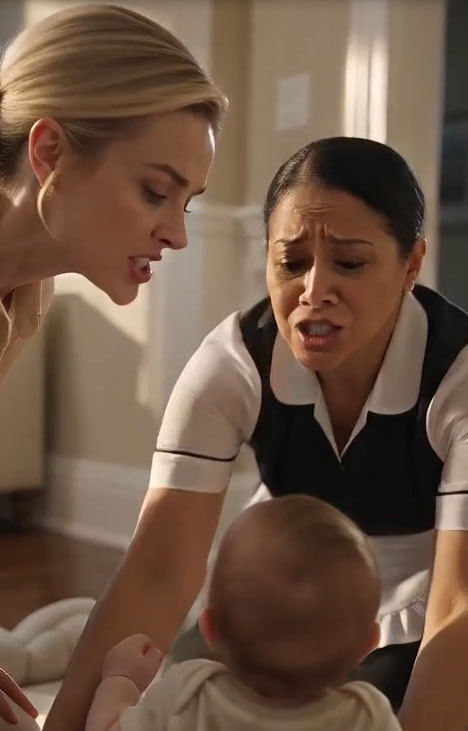
Nathan testified.
Harold looked surprised when he entered the courtroom.
Nathan took the oath.
Harold’s lawyer began.
“Mr. Hale, did your father receive undisclosed capital connected to Mr. Price’s family?”
“Yes.”
“Did your family’s public history omit that contribution?”
“Yes.”
“Did that create resentment?”
“I believe so.”
The lawyer smiled slightly.
“Would you agree the Hale family benefited from wrongdoing before Mr. Price committed any offense involved here?”
Nathan paused.
“Yes.”
A murmur moved through the courtroom.
Caroline sat behind him.
Her face was pale.
Nathan continued.
“But that does not make later fraud repayment.”
Harold’s attorney frowned.
Nathan looked toward Harold.
“My father should have told the truth. Harold should have told the truth. Vanessa should have told the truth. I should have listened when the truth was inconvenient.”
The judge allowed the answer.
Prosecutors later argued Harold’s grievance explained motive but did not excuse decades of deception.
Harold received a lengthy sentence.
Not the maximum.
Not mercy.
Accountability.
Outside court, Caroline confronted Nathan.
“You destroyed Dad’s name.”
Nathan looked at her.
“No.”
“You told the whole world he benefited from stolen pension money.”
“He did.”
“He repaid it.”
“Quietly.”
“He was our father.”
“Yes.”
“You could have said less.”
Nathan felt anger rise.
Then lowered it.
“That is how it starts.”
Caroline stared.
“What?”
“The decision that truth should be edited because family deserves protection.”
She looked away.
Nathan softened.
“I loved him too.”
Caroline began crying.
“Then why does this feel like betrayal?”
“Because we inherited his story before we inherited the facts.”
They stood in silence.
Then Caroline nodded.
Their relationship survived.
Changed.
More honest.
Not easier.
Vanessa’s sentencing took place two weeks later.
Rosa attended.
So did Nathan.
Vanessa wore a plain navy dress.
No jewelry.
No polished social mask.
Victim-impact statements came first.
Rosa spoke.
“You tried to make my employer believe I harmed a child I loved.”
Vanessa looked down.
“You counted on him believing your money and marriage over my years of service.”
Rosa’s voice trembled.
“That hurt almost as much as the drug you put in my tea.”
Nathan closed his eyes.
Rosa continued.
“But I am not asking the court to punish you for making me feel small. I am asking the court to consider the danger of a person who turns other people into objects.”
Vanessa cried silently.
Nathan spoke next.
He did not call her evil.
“I trusted Vanessa with my daughter because I was afraid to admit I was grieving badly.”
He looked toward her.
“She used that trust.”
Then:
“But I also ignored people who warned me because their warnings made me uncomfortable.”
He looked at Rosa.
“I accused an innocent woman before checking evidence.”
His voice tightened.
“That part belongs to me.”
Vanessa finally looked up.
Nathan continued.
“The worst moment was not when I learned my wife lied. It was when I realized Lily had been crying while adults fought over who would control the story.”
The judge later imposed a substantial prison sentence covering coordinated state charges, to run under terms aligned with her federal resolution.
Years.
Restitution.
Supervised release.
Restrictions.
Loss of professional licenses.
Vanessa would not return to the life she tried to steal.
Before marshals led her away, she asked through counsel to speak one sentence to Nathan.
He agreed.
She turned.
“Does she hate me?”
Nathan knew she meant Lily.
“No.”
Vanessa’s face crumpled.
“She probably won’t remember you clearly.”
That hurt Vanessa more.
Nathan saw it.
Hatred would have preserved her importance.
Being forgotten was worse.
He added:
“But what you did matters even if she forgets.”
Vanessa nodded.
“I know.”
Then she was taken away.
The divorce finalized months later.
Vanessa received only what the valid marital property law and enforceable agreements permitted after fraud adjustments and restitution claims.
No Hale Development ownership.
No rights over Lily.
No easement.
No VHC windfall.
The four acres remained in Lily’s trust.
Rosa retained trust-protector authority temporarily but requested a transition to an independent institutional fiduciary.
Nathan agreed.
“Claire chose you.”
Rosa nodded.
“For an emergency.”
“You were more than that.”
“I know.”
“Then why step down?”
“Because good power knows when to leave.”
Nathan smiled.
“That sounds like Claire.”
“Maybe Claire learned it from me.”
He laughed.
The company also changed.
Nathan stepped down as chief executive.
Caroline was shocked.
“Who are you if you’re not running Hale?”
“Lily’s father.”
“That is annoyingly sentimental.”
“It’s also true.”
An outside CEO took over.
Nathan remained a major shareholder and board member but no longer treated Hale Development as proof of identity.
The Stamford project eventually received zoning approval.
But Hale refused to buy Vanessa’s parcel.
Instead, after legal resolution, restitution administrators sold it to an unrelated developer.
Lily’s four acres became something else.
Nathan donated a long-term ground lease to a nonprofit childcare and family-support center.
Caroline stared when he told her.
“That land will be worth tens of millions.”
“Yes.”
“And you’re leasing it below market.”
“Yes.”
“For childcare?”
“And legal support for domestic workers. Financial counseling. Family crisis services.”
Rosa looked at him.
“Trying to buy redemption?”
Nathan considered.
“Maybe part of me is.”
Rosa appreciated the honesty.
“Then make sure the center survives after you stop feeling guilty.”
So he funded it independently.
With governance.
Audits.
Outside oversight.
No Hale family member could control it alone.
One year after the milk incident, construction began.
Nathan brought Lily to the site.
She was two now.
She held his hand.
A worker offered her a tiny plastic hard hat.
Lily put it on backward.
Nathan laughed.
Behind them, a temporary sign marked the project.
Not Claire Hale Center.
Not Nathan Hale Foundation.
Rosa had suggested the name.
The Open Door Center.
Because, she said, every dangerous house becomes more dangerous when people believe they cannot leave.
Nathan looked at Lily.
She pointed toward a construction cooler.
“Milk?”
He smiled.
“Yes.”
He opened her bag.
But the bottle was missing.
Lily frowned.
Then began crying.
Nathan’s body instantly tensed.
For one second, the old nursery returned.
Milk in her hair.
Her small hand reaching.
Vanessa’s voice.
You drink when I say you can.
Nathan knelt.
“We’ll get some.”
Lily cried harder.
Caroline walked over.
“She’ll survive five minutes.”
Nathan knew she would.
The realization felt almost revolutionary.
He lifted Lily.
“I know.”
And this time her tears did not mean danger.
They meant she was two years old and wanted milk.
Nothing more.
May you like



That distinction was healing.
---







