Chapter 19 - Judgment
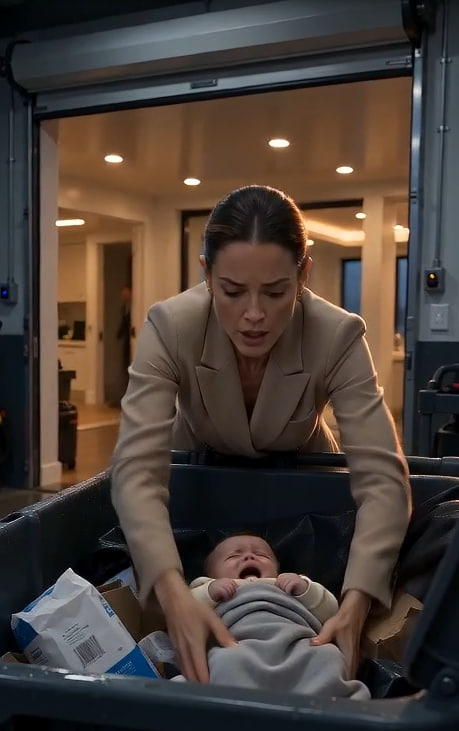
There was no single courtroom where everything ended.
Real consequences came in pieces.
Mason was sentenced first.
His cooperation reduced his sentence, but the judge emphasized that he had abused a position of financial trust and participated in a scheme targeting both a witness and a child’s family environment.
He was ordered to pay restitution jointly with Claire for proven corporate losses.
His career was finished.
His shares and deferred compensation at Vale Marine were forfeited or applied according to court orders and corporate agreements.
Claire pleaded guilty to several financial felonies and state offenses related to child endangerment and evidence tampering.
Other charges were dismissed as part of the negotiated resolution.
At sentencing, Rosa spoke.
She stood at the lectern without notes.
“Claire tried to make poverty look like dishonesty.”
Claire stared at the table.
“She believed because I owed money, I could be bought. Because I cleaned her home, I could be blamed. Because she had wealth, lawyers, and a respected name, my word would disappear beneath hers.”
Rosa took a breath.
“But the most painful thing she did was not to me.”
She looked at Claire.
“You made your baby part of an argument he could not understand.”
Claire began crying.
Rosa’s voice softened.
“I do not want revenge. I want you to understand that people are not objects you move around because you are afraid.”
Adrian spoke too.
But not against Claire.
He addressed his own conduct.
“My wife committed crimes. I responded to one of them with violence. I have spent months learning that one truth does not cancel another.”
Judge Mercer later quoted that statement in the family-court proceedings.
Claire received a custodial criminal sentence followed by supervised release, with the financial and child-related conduct considered together under the negotiated framework.
The exact length mattered less to Adrian than the custody order.
Noah’s primary physical custody was awarded to Adrian after months of evaluations, supervised visits, counseling reports, and home assessments.
Claire retained parental rights.
Her contact would resume under professional supervision when permitted by the criminal and family courts.
Adrian did not celebrate.
Naomi noticed.
“You won custody.”
“Noah lost the version of his family he was supposed to have.”
“That was gone before the order.”
“I know.”
The Newport villa was sold.
Adrian could have fought to keep it.
He didn’t want it.
The proceeds attributable to Claire were subject to restitution claims and marital-property rulings.
The Montecito property was also sold as part of asset recovery.
Vale Marine recovered most of its direct losses through seized assets, insurance, settlements, and restitution.
Not all.
Money rarely returned as neatly as it disappeared.
Paula remained CEO.
Adrian stayed chairman and reduced his operational role.
Analysts called it a reputational move.
They were partly right.
But Adrian had another reason.
He wanted to know what time Noah’s pediatric appointments were without an assistant reminding him.
Rosa started a small estate-management and household staffing company.
She named it Delgado House Services.
Adrian offered to invest.
She refused.
Then he hired her company for a legitimate consulting project at Vale Marine after competitive review.
When she saw the procurement paperwork, she laughed.
“You finally learned.”
“Everything in writing.”
“Three bids?”
“Three bids.”
“Independent approval?”
“Paula signed it.”
Rosa smiled.
“Your mother would faint.”
Adrian smiled too.
His probation continued.
His counseling continued.
Change had become less dramatic than confession.
It looked like pauses.
Lowered voices.
Leaving a room before anger became action.
Apologizing before someone demanded it.
One evening, almost a year after the marina incident, Detective Holt called.
“We’re releasing personal evidence no longer needed.”
Adrian knew immediately.
“The blanket?”
“Yes.”
He drove to the station.
Holt handed him the sealed bag.
Inside was Noah’s pale-gray blanket.
Adrian stared at it.
“You can throw it away,” Holt said.
He almost did.
Instead, he took it home.
For three days it remained sealed on a shelf.
Then Rosa visited.
She saw it.
“You kept it.”
“I don’t know why.”
Rosa touched the evidence label.
“Because you think objects remember what people did.”
“Don’t they?”
“No.”
She looked at him.
“People do.”
Adrian opened the bag.
The blanket smelled only of storage now.
No marina.
No rain.
No fear.
Rosa said, “Wash it.”
He looked at her.
“What?”
“Wash the blanket.”
“Why?”
“Because Claire does not get to own gray fabric forever.”
Adrian almost laughed.
Then he carried it to the laundry room.
That night, after it dried, Noah reached for it immediately.
May you like



He pressed the soft corner against his cheek.
And smiled.







