Chapter 20 - What We Keep Inside
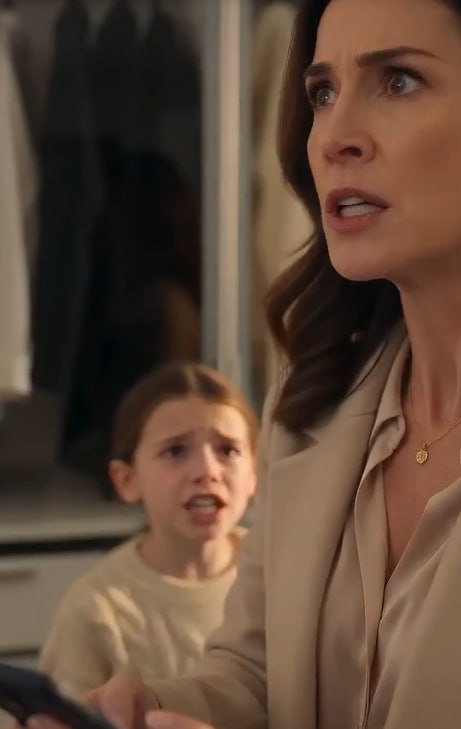
The black box returned to the mansion fourteen months after Emily smashed its lock.
A clerk handed it to Nora inside a clear evidence bag.
The brass clasp was still broken.
The metal still carried the mark from the fireplace poker.
Emily brought it home but left it on the kitchen table for three days.
She did not know what to do with it.
On Saturday morning, Sophie found her staring at it.
Sophie was nine now.
Taller.
Her hair reached past her shoulders again.
For months after the assault, she had refused to let anyone touch it—not Emily, not a stylist, not even herself without checking the mirror.
Now she sometimes wore it in two loose braids.
“Is that the box?”
Emily nodded.
Sophie approached slowly.
“Can I touch it?”
“Yes.”
Sophie placed one finger on the lid.
“It looks smaller.”
Emily almost smiled.
“Most scary things do after you survive them.”
Sophie opened it.
Empty.
The phone was gone into permanent evidence storage.
The documents had been copied and archived.
The broken lock had been returned separately in a plastic bag.
Sophie looked inside.
“So there’s nothing.”
“Not anymore.”
She seemed disappointed.
Emily had expected fear.
Instead Sophie carried the box upstairs.
“To where?”
“My room.”
Emily followed.
Sophie stopped beside the glass wardrobe.
The cracked pane from that night had never been replaced.
Emily had offered.
Sophie always said no.
Sunlight caught the thin fracture, turning it silver.
For a long moment mother and daughter stood in front of it.
“Do you remember this?” Emily asked.
Sophie nodded.
“Everything?”
“Almost.”
“You don’t have to.”
“I know.”
That answer mattered.
Sophie placed the black box on the lowest shelf.
Exactly where it had been that night.
Emily’s chest tightened.
“Sophie—”
“It’s okay.”
Her daughter disappeared into the closet and returned with several things.
A photograph of Emily and Sophie at the beach.
A postcard from Rosa, who had moved to Florida and still sent Sophie birthday cards.
A tiny silver keychain Helen had given her.
A copy of the certificate Sophie received for a school essay titled Why Telling the Truth Is Brave.
And Detective Bennett’s business card.
Sophie placed them inside the box.
Emily watched.
“What are you doing?”
“Changing what’s in it.”
The simplicity of the answer nearly broke her.
Sophie picked up one more object.
The broken brass lock.
Emily frowned.
“Where did you get that?”
“Nora gave it to me.”
“When?”
“Yesterday.”
Sophie placed it inside.
“Why keep the lock?”
Sophie thought.
“Because it didn’t work.”
Emily stared at her.
The lock had been meant to hide evidence.
To protect lies.
To convince everyone that whatever existed inside belonged to somebody else.
But Emily had broken it.
Sophie had spoken.
And every person who depended on silence had eventually been forced into the open.
Emily sat on the velvet bench.
The same bench Vanessa had fallen against when Emily pushed her away from Sophie.
Sophie climbed beside her.
“Mom?”
“Yes?”
“Did Dad ever write to me?”
Emily had known this question would come eventually.
“Yes.”
“How many times?”
“Three.”
“What did he say?”
“That he’s sorry. That he misses you. That he hopes one day you’ll speak to him.”
Sophie looked toward the wardrobe.
“Do I have to?”
“No.”
“Will you be mad if I do someday?”
Emily’s throat tightened.
“No.”
“Will you be mad if I never do?”
“No.”
Sophie looked at her.
“You mean that?”
“Yes.”
Emily took her hand.
“The people who hurt you tried to decide what you were allowed to say, what you were allowed to know, and what you were supposed to feel.”
She squeezed gently.
“I will never do that to you.”
Sophie leaned against her shoulder.
For several minutes, neither spoke.
Then Sophie whispered, “Vanessa said, ‘You’re not telling anyone.’”
Emily remembered the bedroom.
Sophie crying.
Michael silent.
The black box.
Her own shaking hands.
“I know.”
“I thought she was right.”
Emily turned.
“She wasn’t.”
Sophie looked at the broken lock.
“Dad said, ‘Don’t make this worse.’”
Emily nodded.
“For a while I thought telling made everything worse.”
“The police. The company. Dad going away.”
“Yes.”
Sophie frowned.
“Did it?”
Emily considered the question carefully.
The truthful answer was not simple.
Telling had destroyed her marriage.
It had exposed failures in the company.
It had cost money.
Jobs.
Friendships.
Privacy.
It had forced Sophie through interviews, courtrooms, therapists, and nights when she cried for a father she was also afraid of.
Truth had not made things easy.
Truth had made pretending impossible.
Emily touched the cracked glass of the wardrobe.
“No,” she said. “Telling didn’t make things worse.”
Sophie waited.
“It showed us what was already broken.”
Sophie stared at the silver fracture in the glass.
Then she nodded.
Downstairs, the doorbell rang.
Daniel and Helen were coming for dinner.
Nora would arrive later with lemon cake.
The mansion no longer had a household coordinator.
Emily no longer kept an executive office in Manhattan.
There were fewer staff, fewer formal dinners, fewer photographs in business magazines.
There was also more laughter.
More unlocked doors.
And no hidden recorders.
Before leaving the room, Sophie closed the black box.
She did not lock it.
Emily noticed.
“Want me to fix the clasp?”
Sophie shook her head.
“No.”
“Why?”
Sophie smiled.
“Because boxes shouldn’t decide who gets to know the truth.”
Emily felt tears rise.
She kissed the top of her daughter’s head.
Together they walked toward the doorway.
Sophie stopped once and looked back.
The black box sat on the lowest shelf behind the cracked glass.
Once, it had contained betrayal, stolen money, forged authority, an affair, and a plan to use a child’s fear as leverage.
Now it held a photograph, a school certificate, a detective’s card, a postcard, and a broken lock.
Evidence of something entirely different.
Not what they had lost.
What they had refused to lose.
Sophie took Emily’s hand.
“Mom?”
“Yes?”
“If something bad happens again, I’m telling you.”
Emily smiled through her tears.
“Good.”
“And if you don’t listen?”
Emily looked at her daughter.
“Tell someone else.”
Sophie smiled.
That was the answer Emily wished every adult in that bedroom had understood from the beginning.
Truth did not belong to the most powerful person.
Silence was not loyalty.
And protecting a family did not mean protecting the people who were destroying it.
May you like



Sometimes protecting a family meant opening the box.
THE END







