Chapter 11 - The Records Marcus Couldn’t Hide
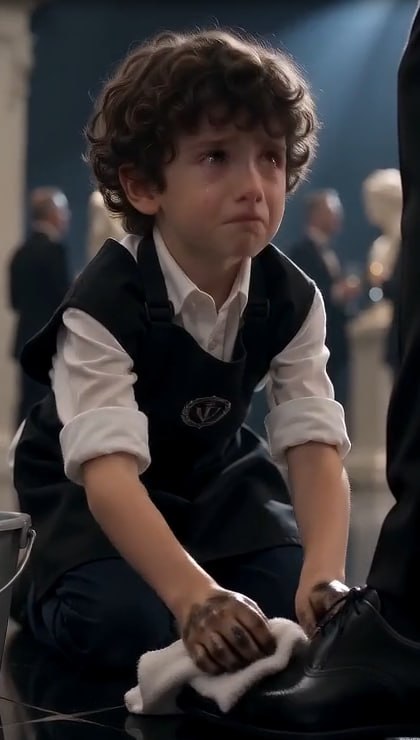
Discovery produced 48,000 pages.
Most were boring.
Laura had never loved boring documents more.
Whitmore Foundation funded several Sterling conservation projects while Daniel worked there.
But nothing showed it funded his microtag invention personally.
Daniel’s lab notebooks documented development on his own time through Carter Conservation.
Marcus’s patent claim weakened.
Then Laura found a payment.
$280,000.
Whitmore Foundation to Heritage Imaging Consultants LLC.
Memo:
Carter authentication remediation.
The payment date was four days after Daniel entered hospice.
Heritage Imaging had no website.
No employees listed.
Its owner was Helena Price’s brother-in-law.
Helena looked horrified when shown the invoice.
“I didn’t know.”
“What did the company do?”
“Nothing. It was dormant.”
“Then where did the money go?”
Bank records answered.
$200,000 moved to Adrian Bell’s family partnership.
$50,000 went to the attorney who prepared Daniel’s misconduct report.
$30,000 went to a Sterling IT contractor.
The contractor had changed the museum inventory database.
The art substitution conspiracy had paid everyone through fake conservation expenses.
Grant read the records and sat down heavily.
“I signed the foundation grant acceptance.”
Laura looked at him.
“Did you know?”
“No.”
“Did you ask what remediation meant?”
“No.”
Again.
A signature.
A failure to ask.
Grant did not defend himself.
“I should resign.”
“Maybe.”
He looked at her.
“You don’t have to decide today.”
She had learned not to offer easy absolution.
Federal investigators followed the money.
The IT contractor cooperated.
He admitted changing location records for nine paintings under instructions from Helena and an outside Whitmore adviser.
Helena admitted she passed the instructions.
Marcus’s attorney claimed Robert directed everything.
Then investigators recovered an email from Marcus.
Father wants the gallery copy stable through inspection week. Use Heritage.
Marcus’s signature.
His direction.
No father to blame.
Meanwhile, Noah returned to school after missing several days.
A classmate asked whether his stepfather was “the shoe guy from TikTok.”
Noah punched him.
Laura was called to the principal’s office.
She felt exhausted before arriving.
Noah sat with his arms crossed.
“What happened?”
“He laughed.”
“So you hit him?”
“He said I liked cleaning shoes.”
Laura closed her eyes.
Noah’s face crumpled.
“I hate everyone knowing.”
There it was.
Consequences did not stop because Marcus was being investigated.
Laura took him home.
“I understand why you were angry.”
“He deserved it.”
“No.”
Noah stared.
“You’re defending him?”
“No. I’m telling you something I wish I had learned earlier.”
“What?”
“Being hurt does not make every reaction okay.”
Noah looked away.
“He hit me.”
“Yes.”
“And Marcus hit me.”
“Yes.”
“So I’m like Marcus?”
“No.”
Laura crouched.
“You’re nine, you were embarrassed, and you made one bad choice. What matters is what you do next.”
Noah’s eyes filled.
“What do I do?”
“Apologize for hitting him without apologizing for being hurt.”
“That’s hard.”
“Yes.”
He did it the next day.
The other boy apologized too.
Laura watched from the hall and realized accountability could be taught without humiliation.
Marcus had never understood that.
Then the case took a darker turn.
Malcolm Reed revealed Marcus maintained a private archive of recorded conversations.
He secretly recorded trustees, lenders, employees, and even Laura.
New York’s one-party consent law meant some recordings were lawful if Marcus participated.
Others might not be.
One file mattered.
Daniel.
A recovered recording from seven years earlier.
Marcus and Daniel inside Sterling’s loading bay.
Marcus:
“You can keep fighting this and leave Laura with legal bills.”
Daniel:
“My estate is protected.”
Marcus:
“Not from everything.”
Daniel:
“Stay away from them.”
Marcus:
“You think Laura will survive on a nonprofit salary and a failed lab?”
Daniel:
“She’ll survive me dying. She can survive you.”
Laura covered her mouth.
Marcus laughed on the recording.
“You’re making me sound like a villain.”
Daniel answered:
“No. You’re doing that yourself.”
Then another voice entered.
Sarah Whitmore.
Laura froze.
Marcus’s sister had been alive then.
She said:
“Give Daniel the documents.”
Marcus:
“Go home, Sarah.”
Sarah:
“They’re mine.”
Marcus:
“Not anymore.”
Sarah:
“You forged the Wrenhold transfer.”
Silence.
Then Daniel:
“I recorded that.”
Marcus swore.
The file ended.
Laura stared.
Sarah had directly accused Marcus.
Three months later, she died from cancer.
Before dying she transferred the certificate to Daniel.
That was the missing chain.
The children’s arts charity that should have inherited Sarah’s Wrenhold stake finally entered the case.
Its lawyers estimated Marcus had withheld more than $37 million in distributions.
Another lawsuit.
Another frozen asset claim.
Whitmore Capital’s liquidity worsened.
Then Marcus did something Laura did not expect.
He resigned as CEO.
Publicly, he said he wanted to protect employees from “personal attacks.”
Privately, his board had forced him out.
Power reversed again.
But Marcus still controlled voting shares.
And he announced a new plan.
The Whitmore Foundation would sell a group of family artworks at an international charity auction to satisfy lender obligations and fund Sarah’s trust claims.
Among the listed works was Portrait of Sarah, Age Twelve.
A painting prosecutors believed might not belong to Marcus at all.
The auction was scheduled in six days.
At Sterling.
Marcus was trying to turn disputed evidence into cash before courts froze it.
Grant stared at the notice.
“He cannot be serious.”
Maya said, “He is.”
Laura looked at the auction date.
Six days.
The same night Sterling’s board planned to vote on whether to terminate all Whitmore agreements.
May you like



Marcus had chosen the battlefield.
Again.







