Chapter 18 - What the Museum Owed Noah
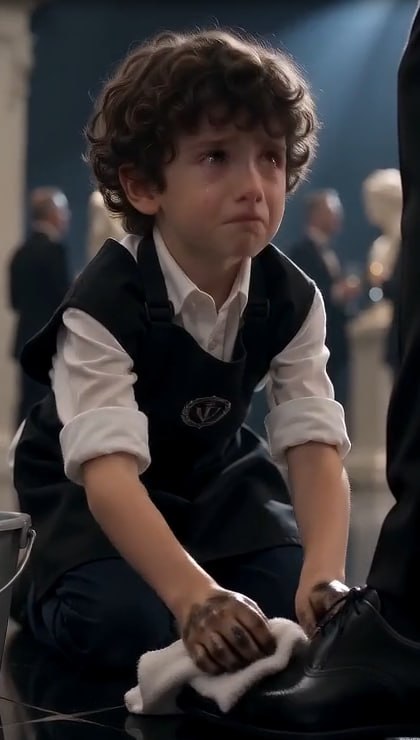
Sterling offered Noah money.
Laura nearly refused before hearing the proposal.
It was not a settlement.
The museum’s insurer and board had created a compensation process for harms connected to institutional failures.
Noah had been used repeatedly inside a restricted museum area because Sterling’s legacy access controls remained active, trustee oversight failed, and staff did not investigate why a child appeared in service clothing before the gala.
The amount offered was substantial.
Not millions.
Enough for therapy, education, and future needs.
Laura asked Noah’s independent attorney to review it.
Noah had an attorney because money involving a child should not depend only on a parent’s judgment.
Laura had learned that too.
The final arrangement placed most funds into a protected account inaccessible until adulthood except for approved expenses.
No confidentiality clause.
No surrender of claims.
No language saying Sterling admitted nothing while buying silence.
Laura accepted.
She explained it to Noah.
“Is it Marcus’s money?”
“No.”
“Is it because the museum did something wrong?”
“Yes.”
“Do I have to forgive them?”
“No.”
“Okay.”
Simple.
Sterling also changed procedures.
Decommissioned access systems were physically disabled.
Children could not enter staff areas without documented educational supervision.
Trustees lost operational override privileges.
Art ownership and conservation records became independently audited.
The museum created a direct whistleblower channel outside board leadership.
Policies were boring.
Laura loved them.
Marcus had spent years depending on glamour.
Real repair looked like password controls and conflict disclosures.
The provenance exhibition opened in September.
Its title:
WHAT THE FRAME HID
Laura almost hated how good it was.
The first gallery displayed a forgery beside an authentic work.
Visitors could compare them.
The second explained Daniel’s microtag system.
The third documented how governance failures allowed substituted art to remain undiscovered.
No names were softened.
Robert Whitmore.
Marcus Whitmore.
Adrian Bell.
Helena Price.
Elias Grant.
Daniel Carter.
Each person’s actions described precisely.
No saints.
No monsters created by captions.
Just records.
Noah stood beside Daniel’s old ultraviolet lamp.
“That’s the one Marcus took?”
“Yes.”
Recovered from the townhouse basement during discovery.
The museum had asked to display it.
Noah agreed.
Then he saw something else.
Daniel’s old black leather work shoes.
Laura froze.
She had forgotten donating them years earlier to Carter Conservation’s archive.
They were scuffed.
Paint-speckled.
One lace replaced with the wrong color.
Noah stared.
“Dad wore those?”
“All the time.”
“They’re ugly.”
“He loved them.”
Noah smiled.
A museum preparator approached.
“We haven’t put them in the case yet.”
One shoe had accumulated storage dust.
The preparator used a cloth.
Noah’s body stiffened.
Laura saw it.
Black shoe.
Cloth.
Hands.
Marble.
Marcus.
She touched Noah’s shoulder.
“We can go.”
He shook his head.
Then said something surprising.
“Can I clean them?”
Laura stopped.
The preparator looked at her.
Noah continued.
“Dad’s shoes.”
Laura’s throat tightened.
“You don’t have to.”
“I know.”
That was the difference.
The preparator brought a conservation-safe leather cloth.
No black polish.
No command.
No one pushing a shoe toward him.
No audience drinking champagne.
No punishment.
Noah sat at a worktable.
Not on his knees.
In a chair.
He wiped dust gently from Daniel’s old shoe.
Laura watched his hands.
No trembling.
No tears.
He smiled when he found a dried speck of blue paint.
“Did Dad do that?”
“Probably.”
“What color painting?”
“I have no idea.”
Noah cleaned the second shoe.
Then stopped.
“That’s enough.”
The preparator said, “Perfect.”
Not keep polishing.
Not you’re not finished.
Perfect.
Laura turned away so Noah would not see her cry.
Of course he saw.
“Mom.”
“I’m fine.”
“You’re doing the face.”
“What face?”
“The emotional face.”
She laughed.
The shoes went into the display.
The label read:
WORK SHOES OF DANIEL CARTER, CONSERVATOR
No heroic quote.
No grand statement.
Just the ordinary shoes of a man who spent his career looking closely at things others overlooked.
Noah stood beside them.
“I like that.”
“So do I.”
Later, Sterling’s new director, Dr. Amara Feld, asked Laura whether Noah wanted to speak at the opening.
He declined.
“Why?”
“I don’t want strangers clapping because something bad happened to me.”
Laura nearly applauded that answer.
Instead she respected it.
The exhibition opened without him onstage.
Noah walked through as a visitor.
That mattered.
Then a reporter recognized him.
“Are you Noah Carter?”
Laura tensed.
Noah nodded.
“Can I ask what you think about the exhibit?”
He looked toward Laura.
She gave him the choice.
Noah answered:
“I think they should’ve checked the room seven years ago.”
The reporter blinked.
“So do you feel vindicated?”
Noah frowned.
“What does that mean?”
“Like you won.”
He considered.
“Marcus is gone.”
“Yes.”
“Dad’s painting is back.”
“Yes.”
“My mom listens better.”
Laura nearly choked.
The reporter smiled.
“So that’s a win?”
Noah shrugged.
“Mostly.”
It became the quote newspapers used.
Not the dramatic ones.
Not the money.
Not the prison.
MY MOM LISTENS BETTER.
Laura framed the clipping.
Noah complained.
May you like



“That’s embarrassing.”
She hung it in the kitchen anyway.







