Chapter 19 - The Sentence
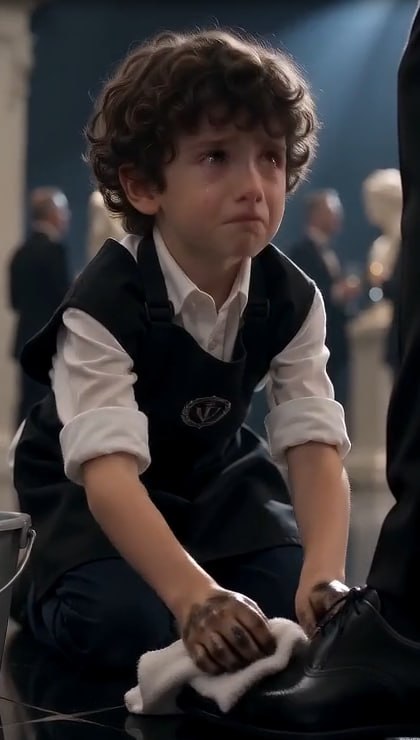
Marcus Whitmore was sentenced nineteen months after the gala.
Laura had no intention of attending.
Then the prosecution notified her that victims could submit statements concerning the obstruction and family-related conduct connected to the broader scheme.
Noah could submit one too.
He refused.
“I already said stuff.”
Laura nodded.
She wrote her own.
Not about hatred.
Not about wanting maximum punishment.
She described how Marcus weaponized trust.
How he entered her family knowing Daniel had challenged him.
How he studied Noah as a possible route to evidence.
How he made a child believe humiliation was discipline.
How he made Laura doubt her son.
That last part mattered most.
He did not only hurt Noah physically. He attempted to alter the relationship between a mother and child by teaching each of us that the other could not be trusted.
She submitted it.
Then decided not to read it in court.
Marcus was sentenced to a significant federal prison term.
He also received a separate state sentence for the assault-related offense, structured according to the final plea resolution.
Restitution and forfeiture orders reached tens of millions.
Whitmore Capital survived.
That surprised people.
The independent board sold non-core assets, refinanced debt, and removed Marcus’s voting control through negotiated restructuring with creditors and shareholders.
Thousands of employees did not lose their jobs.
Marcus’s favorite threat had been false.
The company did not need him to exist.
The Whitmore Foundation was dissolved after transferring legitimate charitable programs to independent organizations.
Sterling recovered several artworks.
Others remained tied up in ownership litigation.
Not every painting came home.
Not every dollar was recovered.
Real endings contained unresolved inventory.
Laura’s divorce had been final for months.
She changed nothing about her name.
She had never taken Marcus’s surname legally.
Still Laura Carter.
Noah remained Carter.
Daniel’s patent was licensed to several museums and insurers through a professionally managed trust.
Revenue grew.
Laura did not treat it as found wealth.
It belonged to Noah.
Independent trustees handled licensing decisions with her.
Marcus had spent years convincing people control was security.
Laura learned structures could be security.
Checks.
Multiple signatures.
No single person deciding everything.
At Sterling, the authentic Storm at Bell Point returned permanently.
The forgery remained in the educational collection.
Visitors often preferred studying the fake.
It taught more.
Grant visited quietly one afternoon.
Laura saw him in Gallery Six.
He looked thinner.
“Do you miss the job?” she asked.
“Every day.”
“Regret resigning?”
“No.”
They stood before the painting.
“Daniel hated me at the end,” Grant said.
Laura shook her head.
“I don’t know.”
“He should have.”
“Maybe.”
Grant smiled.
“You have become very bad at comforting people.”
“I’m recovering from years of overvaluing comfort.”
He laughed.
Then became serious.
“I’m sorry I didn’t protect him.”
Laura looked at the sea in the painting.
“Daniel didn’t need everyone to protect him.”
“What did he need?”
“People to do their jobs.”
Grant nodded.
“That’s worse.”
“Yes.”
Helena was released after serving her reduced sentence.
She wrote Laura one letter.
No excuses.
Only information about a remaining Daniel archive in Switzerland.
Laura gave it to investigators.
She did not begin a friendship.
Adrian Bell died two years later during the civil cases.
Before his death, he funded a nonprofit governance program using money not subject to forfeiture.
Laura had mixed feelings.
She allowed herself to keep them.
Sarah’s trust built three free after-school art programs.
One opened in Queens.
Noah volunteered there when he was older.
But for now he was ten.
He cared more about baseball, science experiments, and whether Laura would let him get a dog.
“No.”
“Why?”
“We live in an apartment.”
“Dogs live in apartments.”
“I travel.”
“I can walk it.”
“You are ten.”
“Exactly. Peak walking age.”
Rebecca betrayed Laura and supported the dog campaign.
They eventually adopted a small mutt named Varnish because Noah thought the name was hilarious.
Laura did not.
She lost the vote.
One evening, Noah asked:
“Do you think Marcus loved us?”
Laura went still.
The question had come nineteen months after she expected it.
“I think he had feelings for us.”
“That’s not what I asked.”
“No.”
She smiled sadly.
“I think he may have loved parts of our life.”
“What parts?”
“Being admired. Being needed. Being able to solve things for us.”
“That sounds like loving himself.”
“Sometimes it probably was.”
“Did he love you?”
Laura thought carefully.
“Maybe in the way he knew how.”
Noah frowned.
“Badly?”
“Yes.”
“Does that count?”
Laura looked at him.
“I don’t know.”
Noah accepted that.
Then:
“Did you love him?”
“Yes.”
“Do you feel stupid?”
Laura laughed.
“Sometimes.”
“Are you stupid?”
“No.”
“Then maybe loving him wasn’t stupid. Staying after knowing would’ve been.”
Laura stared.
“You’re ten.”
“I know.”
“Stop making sense.”
He grinned.
The next week Sterling invited them to a small ceremony.
No donors.
No gala.
No champagne.
The museum was formally reopening the east restoration wing.
Not as secret storage.
As the Daniel Carter Center for Conservation Integrity.
Laura disliked the name at first.
Too heroic.
She agreed only after the museum added an educational panel describing Daniel’s unauthorized choices and their consequences.
Noah approved.
“He’d hate being perfect.”
Laura smiled.
“Yes.”
The brass access card would be displayed at the entrance.
C-017.
Daniel’s card.
The object that fell from Noah’s apron and opened everything.
Noah looked at it inside the glass case.
“Can I keep it instead?”
Laura hesitated.
Legally the museum owned the card.
Sterling’s board had another idea.
They formally transferred it to Daniel’s estate as abandoned personal equipment.
Laura gave it to Noah.
He turned it in his hands.
“Does it still open the door?”
“No.”
Sterling had replaced the entire access system.
“Good.”
Laura raised an eyebrow.
“Why good?”
“Because keys shouldn’t work forever just because someone forgot to turn them off.”
Laura smiled.
Another governance lesson from a ten-year-old.
He put the card in his pocket.
Not an apron pocket.
His own.
The next morning, before the reopening ceremony, Noah disappeared into his bedroom.
Laura found him sitting on the floor.
For one terrible second, seeing him low to the ground made her heart jump.
Then she saw what he was doing.
Daniel’s old work shoes sat in front of him.
Sterling had loaned them for the ceremony at Noah’s request.
A soft cloth lay in his hand.
No polish.
Just dusting.
Laura leaned against the doorway.
“You okay?”
He nodded.
“I wanted them nice.”
“You don’t have to.”
“I know.”
He looked up.
That answer had become sacred between them.
I know.
Choice.
Consent.
No fear.
Laura sat beside him.
“Want help?”
“Sure.”
Together they cleaned Daniel’s shoes.
Not because anyone ordered them.
Not because respect required humiliation.
May you like



Because they wanted to.
And when they finished, Noah stood first.







