Chapter 10 - The Friend Who Chose the Hospital Over the Truth
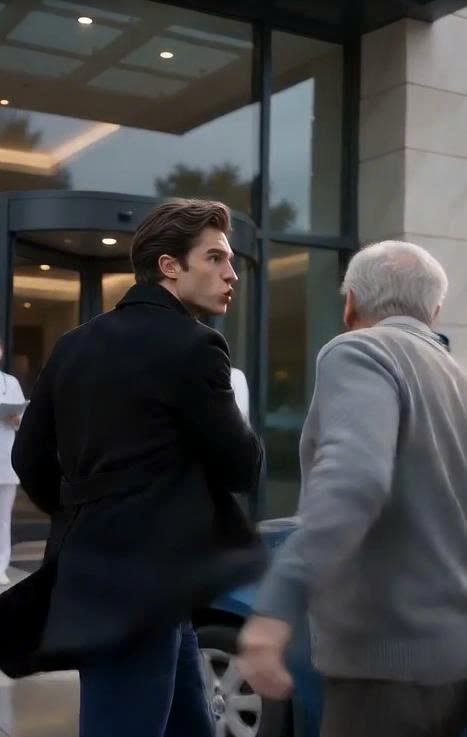
Walter met Marcus only through counsel.
No private father-son conversation.
No exceptions.
Marcus looked exhausted.
His criminal lawyer sat beside him.
Claire asked, “What does Thomas Vale know?”
Marcus swallowed.
“The device failures.”
“How many?”
“Two before Peter.”
Walter’s chest tightened.
Two.
Not one.
Marcus continued.
“Neither patient died.”
“Were they reported as device events?”
“One was reported to CardioVance internally.”
“And regulators?”
“I don’t know.”
“Hospital safety committee?”
“No.”
“Why?”
“Thomas said we needed confirmation before damaging the cardiac program.”
Walter closed his eyes.
“What happened after Peter?”
Marcus looked at him.
“Thomas panicked.”
“How?”
“He said the hospital was six weeks from a bond placement for the new cardiac tower.”
The proposed $310 million Grant Heart Institute tower.
Walter remembered.
Ratings agencies had reviewed clinical performance and projected revenue.
A major device scandal could have complicated financing.
“So he buried a death to protect bonds?”
Marcus shook his head.
“He told himself he was delaying disclosure.”
“For fourteen months?”
“I’m telling you what he said.”
“What did Blake want?”
“To keep the CardioVance research partnership.”
“And you?”
Marcus looked down.
“Money.”
At least he said it plainly.
“How much?”
“CardioVance-related consulting? Three hundred twenty thousand.”
“What else?”
“Blake offered me a stake in a private outpatient cardiac center.”
Walter went still.
“What center?”
“It wasn’t built.”
“Ownership?”
“Blake, me, Colin Mercer from CardioVance, two investors.”
“Would Grant Medical Center refer patients there?”
“Some.”
Emily whispered, “Jesus.”
Walter stared at his son.
“You planned to use this hospital’s referrals to enrich yourself privately.”
“I never signed final documents.”
“Because you became ethical?”
“No.”
Marcus looked at him.
“Because Blake changed the deal.”
There was the betrayal inside the betrayal.
“He wanted control.”
Walter almost laughed.
Of course.
Blake did not want partners.
He wanted dependencies.
Marcus continued.
“After Peter died, I wanted out.”
“But you helped hide it.”
“Yes.”
“Why?”
“Because by then I was inside it.”
Walter sat back.
That sentence described half the scandal.
People rarely woke up intending to destroy an institution.
They made one compromise.
Then another compromise to protect the first.
Eventually truth became more expensive than lying.
Claire asked, “Why is Thomas afraid Blake will bring everyone down?”
“Because Blake kept records.”
“What records?”
“I don’t know.”
“He told you?”
“He said he had insurance.”
Walter looked at Emily.
Blackmail.
The word did not need to be spoken.
That afternoon, Thomas Vale was called before the special committee.
Walter recused himself as promised.
Emily attended as COO but was not a voting director.
Thomas denied suppressing safety reports.
Then Claire showed his email.
Resolve without public exposure.
Thomas looked at it for a long time.
“That refers to litigation exposure.”
“Why did you use the phrase ‘another cardiac-program controversy’?”
Thomas hesitated.
“Prior complications.”
“Device failures?”
“I don’t remember.”
Claire produced another email.
FROM: THOMAS VALE
TO: BLAKE MORGAN
No formal device designation until CardioVance responds. We cannot trigger external reporting based on speculation.
Thomas exhaled.
“The concern was uncertainty.”
“Did you instruct staff not to report?”
“No.”
“Did anyone report?”
“I believed risk management handled it.”
“Did you check?”
“No.”
The answers were technically cautious.
Morally devastating.
By evening, Thomas was placed on administrative leave.
Walter watched from across the executive floor as his oldest friend packed a leather briefcase.
Thomas stopped outside Walter’s office.
They looked at each other through the glass.
Walter opened the door.
Claire was not there.
Emily was not there.
He knew he should not speak.
He did anyway.
“Why?”
Thomas looked exhausted.
“You think there’s one answer.”
“Try me.”
“We were growing.”
Walter laughed bitterly.
“That’s your defense?”
“You weren’t here.”
The accusation landed.
Thomas continued.
“Ruth was sick. You disappeared.”
“My wife was dying.”
“I know.”
“Then don’t say it like I abandoned you.”
“I’m saying the hospital kept moving.”
Thomas stepped inside.
“We had competitors taking surgeons. CardioVance offered research money. Blake was winning national awards. The bond issue needed strong projections.”
“So you hid complications.”
“I delayed conclusions.”
“Peter Lang died.”
Thomas’s eyes filled with anger.
“You think I don’t know his name?”
“I think you taught yourself not to say it.”
Thomas looked away.
Walter’s voice softened.
“You were my friend.”
“I still am.”
“No.”
Thomas looked back.
Walter shook his head.
“You were my friend when friendship was easy.”
Thomas flinched.
Then his anger returned.
“And where were you when leadership was hard?”
Walter went silent.
Thomas had found the wound.
For eighteen months, Walter had been consumed by Ruth’s illness and grief.
He had delegated almost everything.
He had ignored board packets.
Skipped quality meetings.
Trusted reports without reading them.
He had left a vacuum.
That did not excuse Thomas.
It did implicate Walter’s own failure.
“I wasn’t here,” Walter said.
Thomas looked surprised.
Walter continued.
“That was my mistake.”
Silence.
“But my absence did not make you lie.”
Thomas looked down.
“No.”
He left.
Walter remained alone.
For the first time, he understood that exposing the scandal would not leave him morally clean.
He had built a culture centered too heavily on personal trust.
Then he had vanished.
Others filled the gaps.
Some with ambition.
Some with fear.
Some with greed.
And one with a surgeon’s conviction that rules were designed for lesser people.
That night, Blake opened a safe in his Beacon Hill townhouse.
Inside were two encrypted drives.
Copies of emails.
Payment agreements.
Security exports.
Private messages with Marcus.
Messages with Thomas.
One folder labeled CARDIOVANCE.
Another:
GRANT.
Blake held the drive for several seconds.
Then called a reporter.
May you like



“I have evidence,” he said, “that Walter Grant has been using foundation money to silence malpractice victims for years.”
The lie contained just enough truth to be dangerous.







