Chapter 9 - The Board Turns on Its Founder
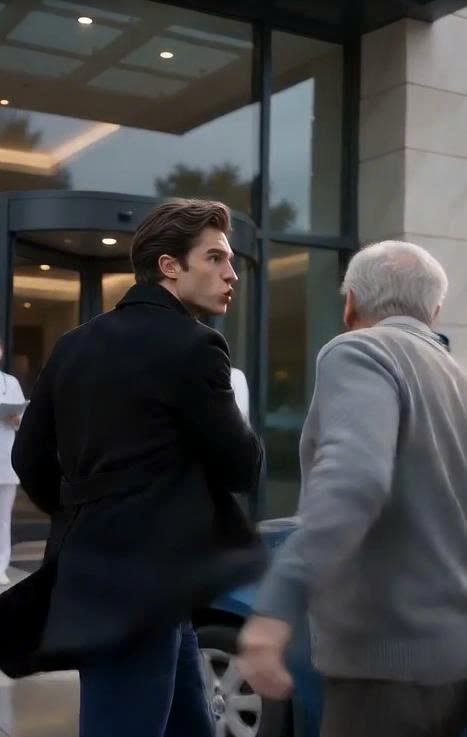
The board did not accuse Walter of misconduct.
That would have been simpler.
Instead, several directors accused him of losing objectivity.
They cited the assault.
The personal involvement in the investigation.
His direct contact with Elaine Lang.
His private collection of anonymous complaints before notifying compliance.
And his public visibility as both victim and chairman.
Director Samuel Pierce spoke carefully.
“Walter, nobody doubts your intentions.”
Walter nearly smiled.
That sentence usually preceded betrayal.
Samuel continued.
“But your role creates legal and governance complications.”
“So what are you proposing?”
“That you temporarily recuse yourself from oversight of the Morgan investigation.”
Walter looked around the table.
“Who oversees it?”
“The special committee.”
“Fine.”
“And from decisions involving Marcus.”
Walter’s jaw tightened.
“Fine.”
Emily watched him.
Samuel hesitated.
“And perhaps from board discussions regarding the federal inquiry until counsel defines scope.”
Walter stared.
“You want the chairman absent while federal agents investigate the institution he founded.”
Thomas Vale spoke softly.
“This is about protecting the hospital.”
Walter looked at him.
Thomas had not yet been confronted with the emails.
He did not know the special committee had them.
Walter forced himself to remain calm.
“Do you support this?”
Thomas nodded.
“I do.”
The betrayal hurt.
Walter had known Thomas since residency.
They had buried colleagues together.
Built clinics together.
Thomas had sat beside Ruth during chemotherapy.
Walter had given him operational control because he trusted him more than his own ambition.
Now Thomas looked across the table and asked Walter to disappear.
Walter almost revealed the email.
Then remembered Claire’s instruction.
Not yet.
“I will recuse from the specific investigation,” Walter said.
Samuel looked relieved.
“But I will not resign as chairman.”
“No one asked you to.”
“Not yet.”
Thomas’s eyes flickered.
Walter saw it.
The meeting ended without a formal vote.
Outside, Emily caught up.
“You did well.”
“I hate that this is considered doing well.”
“You didn’t accuse Thomas.”
“I wanted to.”
“I know.”
“Your mother would have.”
Emily smiled faintly.
“She would have thrown a water glass first.”
Walter laughed.
The moment of warmth disappeared when Claire called.
The forensic review had connected Thomas Vale to additional payments.
Not personal payments.
Something more complicated.
Thomas had authorized hospital funds to sponsor CardioVance conferences where Blake served as paid faculty.
He had also approved a $22 million expansion of the cardiac-device program despite procurement concerns.
“Did Thomas receive money?” Walter asked.
“Nothing we’ve found.”
“Then why?”
Emily answered.
“Growth.”
Walter looked at her.
Thomas had spent years chasing rankings.
National reputation.
Referral volume.
Research prestige.
He might not have needed a bribe.
Ambition itself could be payment.
Meanwhile, Blake began fighting publicly.
Through counsel, he issued a statement.
Dr. Morgan categorically denies any allegation of improper patient care or financial misconduct. He is deeply concerned that a personal dispute with Chairman Walter Grant has infected an otherwise routine credentialing process.
Blake’s supporters rallied.
Several former patients went on television.
“He saved my life.”
“He’s brilliant.”
“The hospital is destroying a great surgeon.”
Every statement could be true.
That made the situation harder.
Walter watched one interview with a woman whose aortic aneurysm Blake had repaired successfully.
She cried while describing the birthday she would have missed.
Emily sat beside him.
“This is what makes people like Blake difficult.”
Walter shook his head.
“No.”
“What?”
“This is what makes people like us dangerous.”
Emily frowned.
“When someone does extraordinary good, institutions start treating scrutiny like ingratitude.”
The next clue arrived from a junior physician.
Dr. Aisha Rahman, thirty-two, a cardiac surgery fellow.
She requested a confidential meeting with outside counsel.
Walter did not attend.
He had learned.
Aisha described operating with Blake on Peter Lang’s reoperation.
“Did you see the device fracture?” Claire asked.
“Yes.”
“What did Dr. Morgan say?”
“He swore.”
“Exact words?”
“He said, ‘That damn anchor snapped.’”
“During removal?”
“No. Before we explanted it.”
Aisha’s voice trembled.
“He showed it to me.”
“Why didn’t you report that?”
“I thought he would.”
“When did you realize he hadn’t?”
“At the morbidity conference.”
“What happened?”
“The case presentation said tissue failure.”
“Did you speak?”
Aisha looked ashamed.
“No.”
“Why?”
“Because I wanted the fellowship recommendation.”
Silence.
Then she added:
“And because he told me the night before that people who embarrass their attending surgeon don’t get invited back.”
The same pattern.
Status as leverage.
Fear as management.
Claire asked, “Why speak now?”
Aisha swallowed.
“Because when he slapped Mr. Grant, everyone suddenly acted shocked.”
Her eyes filled.
“I wasn’t shocked.”
That sentence reached Walter later.
It disturbed him more than almost anything else.
Blake’s cruelty had been visible.
Just not to the powerful.
The board had finally noticed only because the hand landed on Walter Grant.
That evening, Walter drove the blue Honda home.
Reporters recognized him.
One shouted:
“Mr. Grant, is this a personal vendetta against Dr. Morgan?”
Walter stopped.
Cameras turned.
He had been advised not to comment.
He should have continued walking.
Instead, anger won.
“A patient died.”
Every microphone moved closer.
“And people are asking whether I’m angry about my face.”
“Are you saying Dr. Morgan killed someone?”
Walter froze.
He had not said that.
But the question transformed his words instantly.
“No.”
“Do you believe he committed malpractice?”
“I said no such thing.”
The clip was online within minutes.
WALTER GRANT IMPLIES SURGEON RESPONSIBLE FOR PATIENT DEATH.
Blake’s attorney filed an emergency request in superior court seeking protections against allegedly defamatory interference with Blake’s employment and contractual relationships.
The legal filing was aggressive.
The media damage was worse.
Claire called Walter.
“You just helped him.”
“I know.”
“Do you?”
“Yes.”
Walter sat in the Honda, gripping the steering wheel.
His anger had made Blake look persecuted.
His own mistake had shifted power back toward the man he was trying to expose.
Then his phone buzzed.
A message from Marcus.
Dad, Thomas knows everything.
May you like



And another.
He told me if Blake falls, we all fall.







