Chapter 7 - The Widow’s Recording
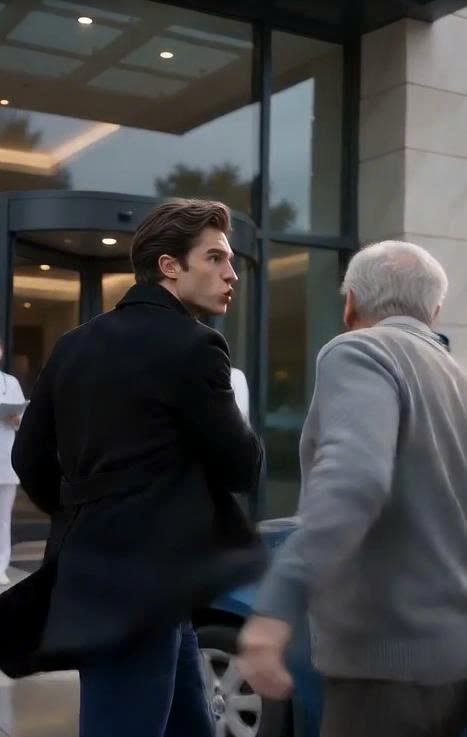
Elaine Lang had one piece of evidence Walter had not expected.
A recording.
“I didn’t trust him,” she said.
She sat in Claire Donnelly’s conference room two days later.
“Dr. Morgan?”
“Yes.”
Elaine placed an old phone on the table.
“When he came to my house, I turned on the voice recorder before I let him inside.”
Claire’s expression sharpened.
Massachusetts was an all-party consent state for secret audio recording, making unlawful covert recording potentially problematic and often inadmissible depending on circumstances.
“Did Dr. Morgan know you were recording?”
Elaine nodded.
“I put the phone between us and said, ‘I’m recording this conversation because I don’t trust myself to remember.’”
Claire relaxed slightly.
“And?”
“He said, ‘Fine.’”
The audio began.
Blake’s younger voice sounded softer than Walter expected.
“Mrs. Lang, everyone involved is devastated.”
“My husband is dead.”
“I know.”
“Was the device broken?”
A pause.
“The repair failed.”
“That isn’t what I asked.”
“The distinction is medically complicated.”
“Was the device broken?”
Another pause.
“There was damage noted during the reoperation.”
“Then why does the hospital say no equipment failed?”
“Because we cannot say when the damage occurred.”
Elaine’s voice hardened.
“You told me in the hallway that something snapped.”
Blake exhaled.
“I was speaking informally.”
“Did something snap?”
“Yes.”
Walter closed his eyes.
Then came the most important exchange.
Elaine: “Are you asking me not to sue?”
Blake: “I’m asking you to think about what litigation does to everyone.”
Elaine: “You offered to pay my mortgage.”
Blake: “The hospital has compassionate resources.”
Elaine: “If nothing went wrong, why do I need compassion money?”
Silence.
Then Blake:
“Because sometimes certainty is more expensive than grief.”
Walter opened his eyes.
The recording ended.
Emily looked sick.
“What does that even mean?”
Elaine answered.
“It meant he wanted me tired.”
Walter looked at her.
“I am sorry.”
She stared at him for several seconds.
“I don’t need the founder apologizing.”
“What do you need?”
“The truth.”
Walter nodded.
“You’ll get what we can prove.”
Not everything.
He had learned not to promise what power could not guarantee.
The independent investigation expanded.
CardioVance invoices revealed Grant Medical Center paid eighteen percent above regional benchmark pricing for certain Vantage components.
Normally supply pricing involved the procurement department.
Yet the CardioVance deal included a “clinical standardization” clause approved by Blake as physician champion.
Marcus had signed the financial authorization.
The arrangement generated millions in extra revenue for CardioVance.
In return, Hartwell Strategies paid Blake and Marcus’s entities.
Selena Price described it carefully.
“This may implicate federal anti-kickback concerns if remuneration influenced purchases reimbursed by federal healthcare programs.”
Walter asked, “Meaning Medicare?”
“Among others. Investigators will need to establish intent and transaction structure.”
“Do we call the government?”
Claire answered.
“We are already preparing voluntary disclosure through appropriate counsel.”
Walter nodded.
He hated what it would do to the hospital’s reputation.
Then he remembered Miriam’s warning.
Protecting reputation by hiding misconduct was how institutions earned the reputation they feared.
Meanwhile, Blake’s anger turned toward Marcus.
They met inside Marcus’s home after midnight.
“You transferred foundation money to me,” Blake said.
Marcus poured whiskey.
“You asked for it.”
“You said it came from an approved education reserve.”
“It did.”
“It came from patient compassion funds.”
Marcus drank.
“Accounting categories.”
“That is fraud.”
Marcus laughed.
“Now you care?”
Blake stepped closer.
“I never told you to steal charity money.”
“You told me CardioVance needed the payments disguised.”
“Consulting payments.”
“Stop saying consulting like it makes the invoices real.”
Blake stared.
Marcus continued.
“You gave lectures. Fine. Were they worth seven hundred thousand dollars?”
Blake lowered his voice.
“You benefited too.”
“So did the hospital.”
“How?”
“We got volume rebates.”
“At inflated prices.”
Marcus slammed down the glass.
“You think I wanted this?”
“Yes.”
That stopped him.
Blake continued.
“You wanted one thing your father never gave you.”
Marcus’s face tightened.
“Respect.”
“No.”
Blake smiled.
“Proof you were smarter than him.”
Marcus moved toward him.
Blake did not step back.
“You think because you cut open hearts, you understand people?”
“I understand incentives.”
Marcus laughed bitterly.
“That’s Walter’s word too.”
“Then perhaps he understands you better than you think.”
Marcus’s phone buzzed.
Message from Emily.
Board special committee requests interview 8:00 a.m. Counsel welcome.
Marcus stared.
Blake noticed.
“They found something.”
“They found everything.”
“No.”
Blake’s voice became cold.
“Not everything.”
Marcus looked at him.
“What did you do?”
Blake did not answer.
The next morning, Nora Shaw received an email from Human Resources.
She was placed on administrative leave pending investigation into suspected diversion of controlled medication from the cardiac ICU.
Nora read it twice.
Then three security officers arrived at her unit.
Her badge was disabled.
Her locker was sealed.
Someone had reported discrepancies involving six fentanyl vials.
Nora went pale.
“I didn’t take anything.”
The HR director looked uncomfortable.
“We are not making conclusions.”
“You’re walking me out.”
“Pending review.”
Walter heard ten minutes later.
He stormed toward HR.
Claire intercepted him.
“Do not interfere.”
“She is being framed.”
“Maybe.”
“She complained about Blake.”
“Yes.”
“She witnessed the assault.”
“Yes.”
“And suddenly she steals narcotics?”
Claire’s eyes sharpened.
“That makes it suspicious. It does not make it false.”
Walter stopped.
Again.
The instinct to use power for someone he believed.
Again, the danger.
“What do we do?”
“Preserve access logs. Medication-dispensing records. Camera footage. Let the process establish facts.”
Walter breathed slowly.
Then his phone rang.
Nora.
He answered.
“Mr. Grant?”
“Yes.”
“I didn’t take anything.”
“I believe you.”
A pause.
Then Walter corrected himself.
“I believe you deserve the truth to be established fairly.”
Nora started crying.
“Thank you.”
After the call, Alan Reese entered.
“We already checked the medication room.”
Walter looked at him.
“And?”
“Nora’s badge accessed it at 2:11 a.m. yesterday.”
“She wasn’t working nights.”
“No.”
“Then who used it?”
Alan held up another log.
“Nora reported her spare badge missing four weeks ago.”
Walter remembered.
“Was a replacement issued?”
“Yes.”
“So the old one should have been disabled.”
“It was.”
“Then how was it reactivated?”
Alan’s face was grim.
“Executive override.”
“Whose?”
Alan turned the screen.
M. GRANT.
May you like



Walter stared at his son’s name.
And this time, he could no longer find a way to explain it away.







